Nittanya Auto
Coated brake rotors are designed to enhance vehicle performance and longevity. Many drivers wonder, "how long do coated brake rotors last?" This question is crucial for anyone aiming for optimal braking efficiency. The lifespan of coated rotors varies based on multiple factors. These include driving habits, vehicle type, and environmental conditions.
Some users report impressive durability, while others find the need for replacements sooner than anticipated. Regular maintenance plays a significant role. If neglected, even the best rotors can wear out rapidly. The material and coating quality also matter. Cheaper options might not hold up under stress. Real-world experiences often differ from manufacturer claims.
Understanding these details helps informed decisions. Drivers must weigh performance benefits against potential costs. Many seek guidance from professionals. It's essential to ask about the specific needs of your vehicle. An informed choice will lead to safer driving and better longevity for coated brake rotors.
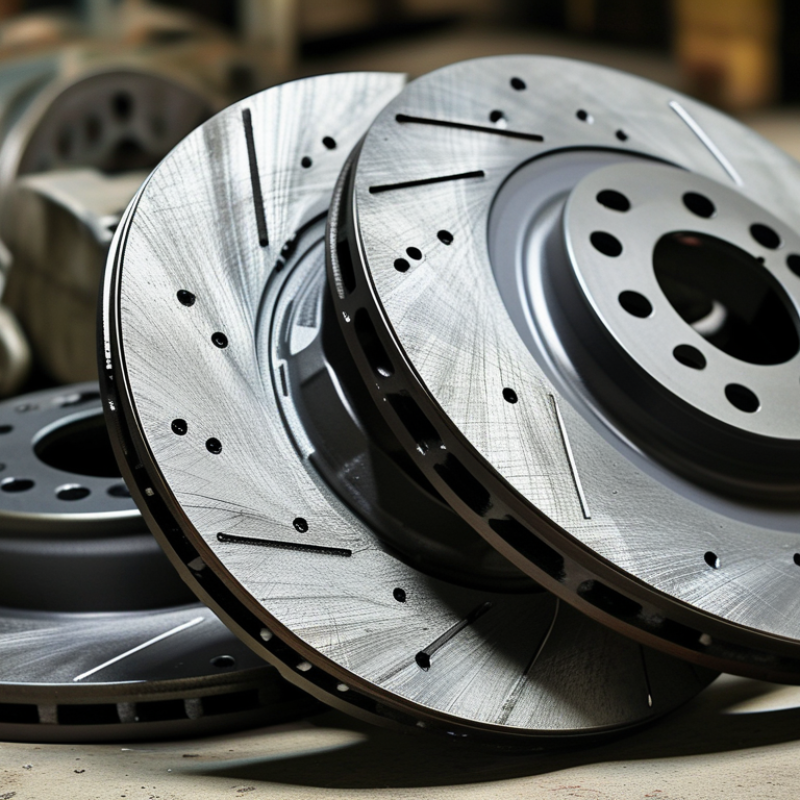
Coated brake rotors are designed to enhance performance and durability. However, several factors influence their lifespan. One major factor is the driving environment. Frequent stop-and-go traffic can accelerate wear. Heavy braking, often experienced in hilly areas, also harms rotors. Climate plays a role too; rain and excessive heat can lead to quicker corrosion and degradation.
Another critical factor is the driving style. Aggressive braking or high-speed driving puts extra stress on the rotors. Over time, this pressure causes them to wear unevenly. Proper installation and regular maintenance are essential. Even a minor misalignment can lead to premature wear. Lastly, the quality of brake pads can affect rotor lifespan. Inferior pads generate more heat and debris, which can damage coated surfaces over time.
Coated brake rotors are engineered to enhance braking performance and extend their lifespan. However, their longevity can vary significantly based on driving conditions. Reports suggest that under normal driving conditions, coated brake rotors can last between 30,000 to 70,000 miles. Variables such as driving style, weather, and maintenance practices heavily influence durability.
In urban environments with frequent stops and starts, rotors may wear out quicker. High-performance driving can also lead to accelerated wear. According to industry analysis, rotors used in harsh conditions, such as extreme heat or wet environments, can wear down by as much as 50% sooner than those in milder climates. Frequent inspections can prevent unexpected failures.
Tips: Regularly check the rotor's surface for signs of wear. Ensure that your braking system is properly maintained, as this can improve rotor lifespan. If you notice any abnormal noises or vibrations, seek a professional assessment. Attention to these details can make a significant difference.
Coated brake rotors play a significant role in vehicle safety and performance. Over time, wear and tear can occur, affecting their efficacy. It’s crucial to recognize the signs indicating that replacement is necessary.
One clear indicator is unusual noise. If you hear grinding or squeaking sounds when braking, this could mean the rotor surface is compromised. A 2021 automotive survey reported that 70% of drivers ignore these sounds, which often leads to reduced stopping power. Vibration during braking can also signal problems. It indicates uneven wear or damage to the rotors, affecting vehicle stability.
Another essential sign is the thickness of the rotors. Most manufacturers recommend checking rotor thickness regularly. If your rotors fall below the minimum specified thickness, they need replacement. Ignoring this can lead to overheating. According to industry standards, overheating can compromise braking performance by up to 40%. Lastly, look for visible corrosion or significant wear on the rotor surface. Deep grooves or a rough texture can greatly reduce performance. Regular inspections and timely replacements are vital for optimal brake functionality.
Coated brake rotors are designed to enhance performance and longevity. Regular maintenance can play a crucial role in extending their lifespan. Keeping rotors clean is vital. Dirt, dust, and debris can wear down the coating. A simple wash with a mild soap solution can make a big difference.
It's also essential to inspect brake pads regularly. Worn pads can lead to uneven wear on rotors. Replace them timely to prevent damage. Check for rust or corrosion on the rotors as well. Corrosion can compromise the coating and lead to premature failure.
Finally, be mindful of driving habits. Aggressive braking can increase wear on rotors. Smooth driving helps maintain optimal performance. Taking these simple steps can significantly prolong the life of your coated brake rotors, ensuring you stay safe and efficient on the road.
When comparing coated and uncoated brake rotors, several key differences emerge. Coated rotors typically offer better resistance to rust and corrosion. This can lead to enhanced performance over time. Uncoated rotors, while potentially cheaper, often face quicker wear and degradation. This can be frustrating for drivers seeking durability.
Tips: Regular maintenance is essential. Inspect your rotors frequently for any signs of damage. If you notice uneven wear, it may be time for a replacement. Also, consider your driving style. Heavy braking can wear down rotors faster, regardless of coating.
In terms of longevity, coated rotors tend to last longer in harsh environments. They are designed to withstand moisture and contaminants. However, they can be pricier initially. This leads many drivers to weigh immediate cost against potential future expenses. Uncoated rotors may be a quick fix, but they often fail to provide lasting performance. Evaluate your driving conditions before making a choice.
| Rotor Type | Average Lifespan (miles) | Performance Characteristics | Wear Resistance | Cost ($) |
|---|---|---|---|---|
| Coated Brake Rotors | 30,000 - 70,000 | Improved heat dissipation, reduced brake fade | High | 150 - 300 |
| Uncoated Brake Rotors | 20,000 - 50,000 | Standard performance, potential for brake fade | Moderate | 80 - 150 |
: Grinding or squeaking noises during braking suggest rotor issues.
Rotors below the minimum thickness may cause overheating and decrease braking efficiency.
Vibration usually indicates uneven wear or damage to the rotors, affecting stability.
Regular checks can identify issues early, preventing reduced stopping power and safety risks.
Coated rotors usually last longer than uncoated ones, especially in harsh conditions.
Driving style and heavy braking can accelerate rotor wear, regardless of coating.
Yes, corrosion can lead to reduced efficiency and pedal response.
Coated rotors may be pricier but offer better durability and long-term performance.
Evaluate your typical driving conditions and budget for maintenance needs.
Yes, ignoring problems can lead to dangerous driving situations and costly repairs.
Coated brake rotors are designed to enhance vehicle performance and longevity, but many drivers may wonder, "how long do coated brake rotors last?" The lifespan of these rotors can vary significantly based on several factors, including driving conditions, maintenance habits, and the quality of the coatings themselves. Generally, in optimal conditions, coated brake rotors can last longer than uncoated versions, exhibiting resistance to corrosion and wear.
To ensure maximum performance and longevity, it's important to be aware of signs that indicate replacement may be necessary, such as unusual noises, vibrations, or decreased braking efficiency. Regular maintenance, such as cleaning and proper installation, can also greatly extend their lifespan. By understanding these aspects and comparing coated versus uncoated brake rotors, drivers can make informed decisions that benefit both performance and safety.
