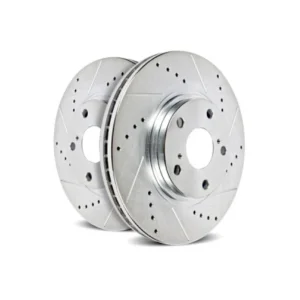
Nittanya Auto
Nittanya Auto
Nittanya Auto
As the automotive industry pivots toward electrification and high-performance dynamics, the limitations of traditional cast-iron braking systems have become increasingly apparent. Qingdao Nittanya Auto Co., Ltd., a vanguard in high-tech friction materials, presents this comprehensive overview of Carbon Ceramic Brake (CCB) technology—a material science breakthrough that is redefining the limits of deceleration, thermal management, and unsprung mass efficiency.
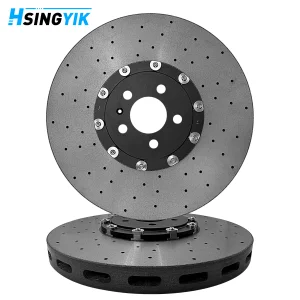
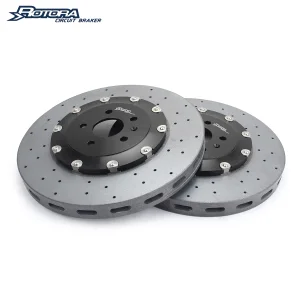
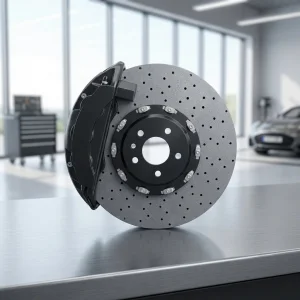
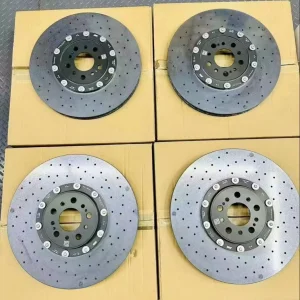
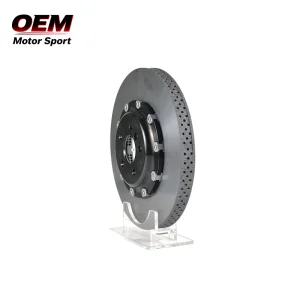
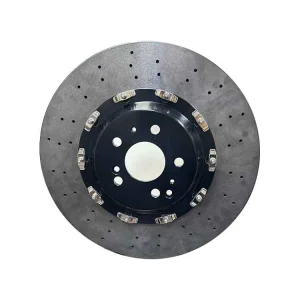
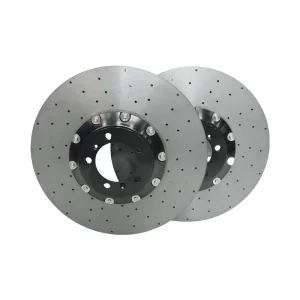
Carbon Ceramic Brake Rotors are no longer exclusive to Formula 1 or aerospace applications. Today, they represent the pinnacle of automotive engineering, offering a unique synergy of Carbon Silicon Carbide (C/SiC) composites that provide nearly zero thermal expansion and extraordinary friction stability at temperatures exceeding 1,000°C.
Unlike iron discs that lose friction as they heat up, CCB rotors maintain a consistent coefficient of friction. Our C/SiC matrix prevents surface melting, ensuring track-day performance remains consistent from the first lap to the last.
Reducing weight by up to 50% compared to cast iron, our rotors significantly improve vehicle handling, suspension response, and steering precision, leading to faster lap times and better ride quality.
Designed to last the lifetime of the vehicle under normal street use, our carbon ceramic discs are highly resistant to corrosion and wear, eliminating the need for frequent replacements and reducing total cost of ownership.
Vehicle Models Covered
Weight Reduction vs Iron
Annual Production Capacity
Exporting Countries
The roadmap for Carbon Ceramic technology at Nittanya Auto focuses on three pillars: Sustainability, Affordability, and Integration. We are currently developing "Next-Gen 4D Carbon Fiber Structures" that provide multidirectional strength, further reducing the risk of delamination under extreme shear stress.
Looking toward 2030, the integration of regenerative braking in EVs presents a new challenge. While CCB rotors offer incredible stopping power, their ability to work seamlessly with electric motor resistance is vital. Our R&D team is optimizing the friction layer to enhance initial "bite" even in cold or wet conditions, a common critique of older ceramic technologies.
Furthermore, we are investigating the recycling of carbon fiber offcuts from our production line to create eco-composite brake pads, closing the loop on our manufacturing waste and reinforcing our commitment to ESG principles.
Located in one of China's most strategic port cities, we leverage integrated sea-rail transport to reduce lead times to Europe and North America by up to 15% compared to inland manufacturers.
China produces over 70% of the world's specialized carbon fibers and industrial silicon. Our direct partnership with upstream refineries ensures price stability and priority access to high-purity precursors.
The Qingdao automotive cluster provides us with a pool of specialized engineers and 24/7 technical support for our CNC and SMT equipment, ensuring zero downtime in production cycles.
Optimized for endurance racing where thermal soak is the primary enemy. Validated at Nürburgring and Shanghai International Circuit.
Seamless integration with Audi, BMW, and Mercedes-Benz electronic parking brakes and ABS sensors without modification.
Specifically tuned for Tesla and Porsche Taycan to counteract the high inertia of heavy battery packs while extending range through weight savings.
Providing high-friction coefficients for heavy armored vehicles requiring emergency stops without the risk of disc warping.
We understand that every market has unique regulatory demands. Our products meet ECE R90 standards for the European market, FMVSS for the USA, and GB standards for China. We provide localized technical documentation and engineering support in English, German, and Spanish to ensure our global partners can navigate regional safety certifications with ease.
Qingdao Nittanya Auto Co., Ltd. is a professional manufacturer and exporter specializing in automotive braking system components, including brake discs, brake drums, brake hubs, and related auto parts. Located in Qingdao, China, one of the country's most important international port cities, the company enjoys convenient transportation and excellent logistics advantages for global shipments.
Our production facilities are equipped with advanced casting, machining, balancing, and testing equipment, ensuring stable production capacity and strict quality control throughout every manufacturing process. The annual production capacity exceeds one million pieces, enabling us to meet the diverse demands of both OEM and aftermarket customers.
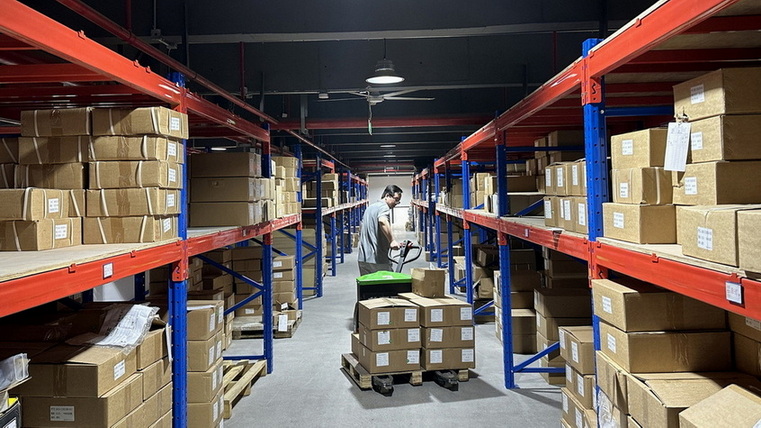 Raw material
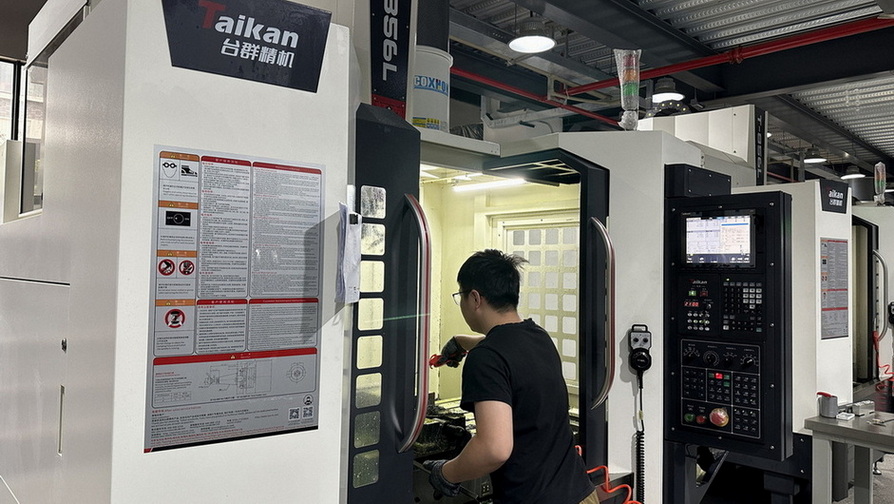 CNC machining
 Automatic packaging
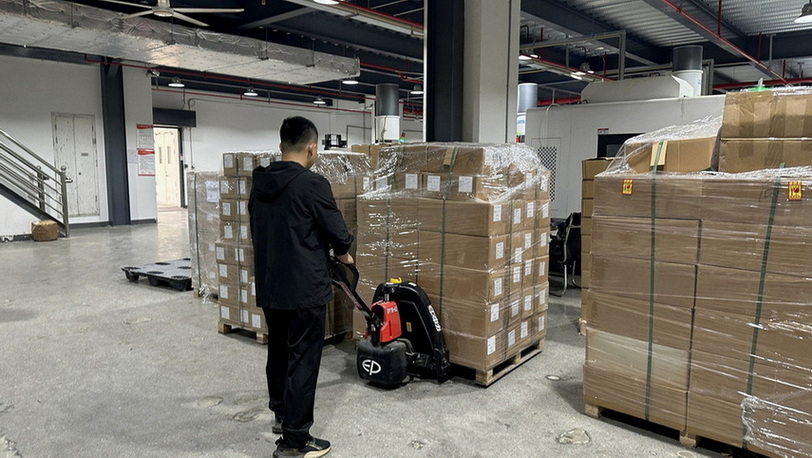 Finished Poruduct
 CNC machining equipment
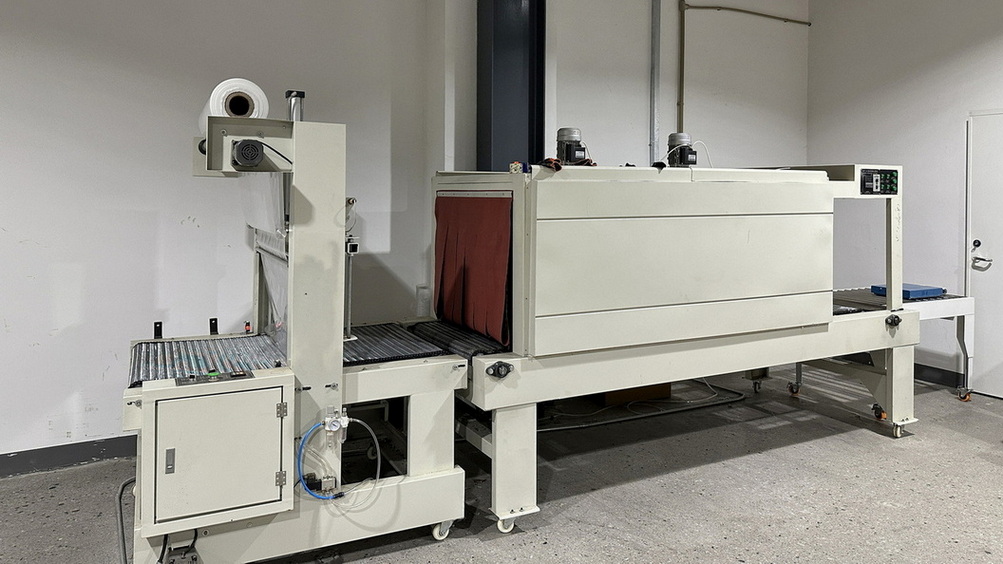 Automatic packaging equipment
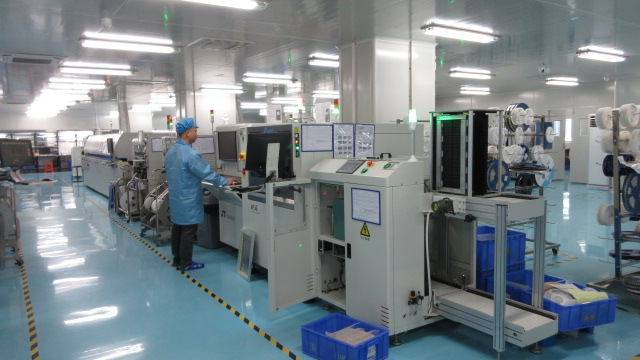 SMT Line
 AOI Inspection
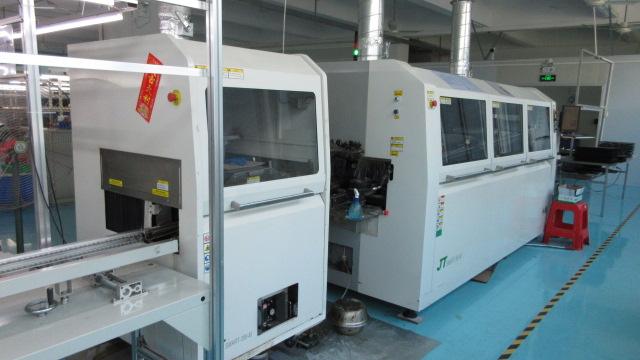 Insert Device
 Wave Soldering
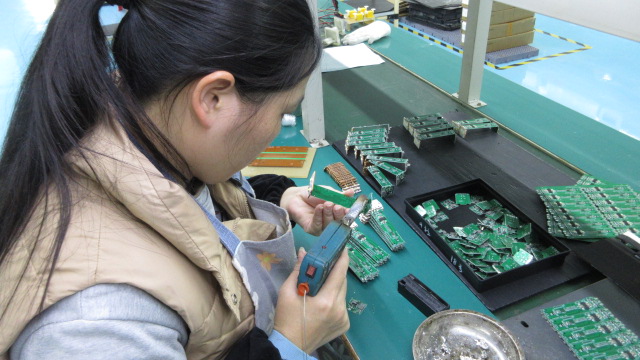 Manual Soldering
 Function Check
Yes, CCB rotors must be paired with specific ceramic-compatible friction materials. Using standard organic or semi-metallic pads will lead to rapid rotor wear and insufficient braking performance.
Under street conditions, rotors are designed for 200,000+ km. For track use, lifespan depends on thermal cycles, but typically lasts 3-4 times longer than premium high-carbon iron rotors.
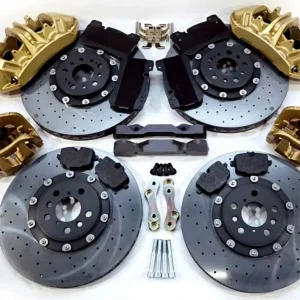
Most of our kits are designed to be direct replacements. However, because CCB rotors are often thicker or larger (to maximize surface area), some applications require specific caliper spacers or brackets which we provide.
Modern C/SiC composites feature a specialized surface coating that minimizes "cold bite" issues. They perform excellently in wet conditions due to their superior drainage and lack of surface oxidation.
No. Carbon ceramic discs cannot be turned like iron discs. If the surface becomes damaged or reaches the wear limit (determined by weight or thickness), the unit must be replaced or professionally refurbished by the manufacturer.