Nittanya Auto
In the automotive industry, the choice between coated and uncoated brake rotors is often debated. Many drivers wonder why use coated brake rotors instead of uncoated options. A recent report from the Society of Automotive Engineers highlights that coated rotors can enhance performance and longevity, especially in harsh conditions. Coating technologies can reduce corrosion and improve heat dissipation. This is crucial for those driving in areas with heavy rainfall or winter conditions.
Research indicates that coated brake rotors can last 30% longer than their uncoated counterparts. This longevity becomes particularly important for those who prioritize reliability over cost. However, some consumers may overlook this option due to the initial expense. The upfront cost of coated rotors can be higher, but they often prove to be a cost-effective choice in the long run.
Choosing coated brake rotors also means considering safety, especially when stopping power is vital. Studies show that better heat management results in improved braking performance. While uncoated rotors might suffice for daily drivers, those seeking the best experience understand the advantages of coated variants. It is important, however, to evaluate one's specific driving conditions and habits before making a decision.
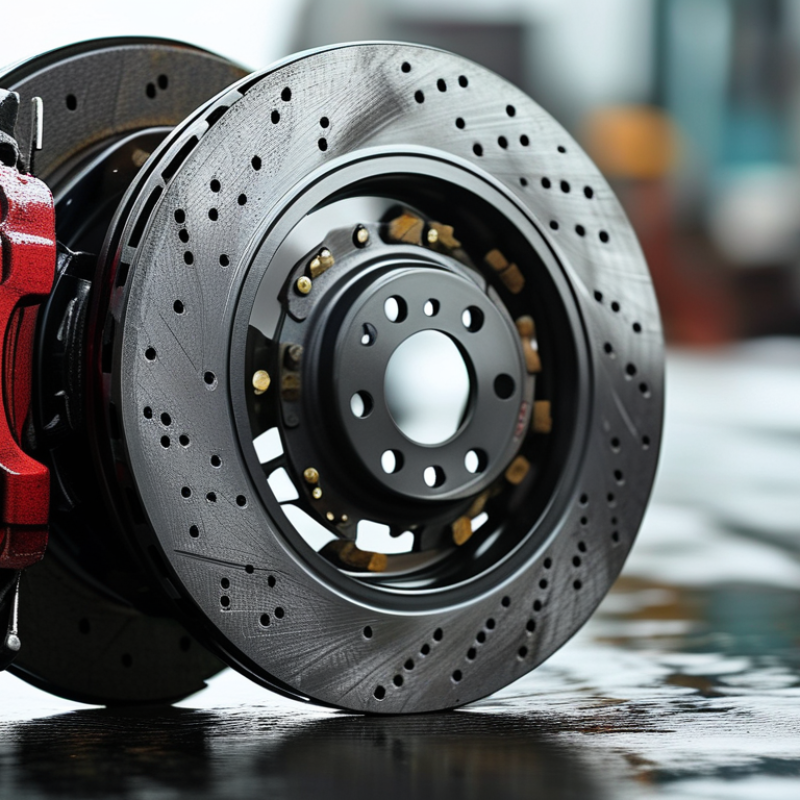
When considering brake rotors, performance is paramount. Coated brake rotors can offer several advantages over uncoated options. The coating acts as a barrier against rust and corrosion, which can significantly enhance durability. Drivers in wetter climates often see better longevity with coated rotors due to this protective layer. Uncoated rotors may succumb to wear faster, leading to more frequent replacements.
Heat dissipation is another critical factor. Coated rotors can manage heat better, reducing fade during aggressive driving. This is crucial for performance-oriented vehicles where braking efficiency directly impacts safety. However, some coated options might be prone to delamination under extreme conditions. It's essential to weigh the benefits against these potential downsides.
Tips: Regularly inspect your rotors for wear, regardless of their type. Maintenance goes a long way. If you drive in demanding conditions, consider investing in high-quality coated rotors. They could offer peace of mind and better performance. A thorough understanding of your driving habits will help in making the right choice.
Coated brake rotors are gaining attention for their unique composition and benefits. These rotors often feature a protective layer that prevents corrosion. This layer enhances durability and prolongs their lifespan, making them a smart investment for vehicle maintenance. The coating can consist of various materials, including zinc or ceramic, each serving to improve performance under different driving conditions.
When selecting brake rotors, consider the environment. If you drive in areas prone to moisture, coated rotors can resist rust better than uncoated options. Another advantage is that they often have improved heat dissipation. This helps maintain optimal performance during heavy braking situations. Drivers should also reflect on their driving habits; frequent short trips can lead to quicker wear and tear on uncoated rotors.
Tips: Always inspect your brake system regularly. Look for signs of rust or uneven wear. It’s essential to maintain clean rotors for optimum braking efficiency. When replacing rotors, consider ensuring the calipers are in good shape too. This comprehensive approach enhances your vehicle’s overall safety.
Coated brake rotors offer distinct advantages in various driving conditions. They are designed to resist rust and corrosion, crucial for wet or humid climates. This protective coating enhances durability, prolonging the life of the rotors. When exposed to moisture, uncoated rotors can develop rust. This can lead to decreased performance and increased wear.
In high-performance driving scenarios, coated rotors provide superior heat dissipation compared to uncoated options. This capability reduces the risk of brake fade. Under heavy braking, uncoated rotors may struggle to maintain consistent braking performance. Coated rotors maintain stability even in demanding conditions, enhancing driver control.
**Tip:** Regular inspections of your brake system can prevent unexpected failures. Look for unusual sounds or vibrations while braking. If you notice anything odd, consult a professional.
Another point to consider is the initial cost. Coated rotors typically cost more upfront than uncoated ones, but their lifespan can make them a cost-effective choice over time. Also, the installation can be more involved. Ensure you understand the process or seek expert help.
**Tip:** Research different rotor types and consult with mechanics for tailored advice. This will help you make informed decisions based on your driving style and conditions.
When it comes to brake rotors, maintenance is key. Coated brake rotors offer significant advantages over uncoated options. They resist corrosion better, which can be crucial in harsh environments. Regular exposure to moisture and road salt can wear down uncoated rotors quickly. Coated rotors, however, can withstand these elements, prolonging their lifespan.
In terms of performance, coated rotors tend to maintain a cleaner surface for longer. This helps in achieving consistent braking performance. Uncoated versions may attract dirt and debris, leading to uneven wear. This can affect stopping distance and overall safety. Maintaining uncoated rotors could mean more frequent replacements and inspections.
While coated rotors generally provide better durability, they are not without drawbacks. Some users report that coated surfaces can take longer to bed in. This might result in initial performance that's not as responsive. It's important for drivers to weigh these aspects carefully. A well-informed choice can lead to better maintenance outcomes and enhanced vehicle safety.
Coated brake rotors offer notable long-term benefits compared to uncoated options. A key consideration is their enhanced resistance to corrosion, which prolongs their lifespan. Industry reports indicate that coated rotors can last up to 50% longer than their uncoated counterparts, especially in harsh weather conditions. This durability translates to fewer replacements and lower cost over time.
Initial investment in coated rotors may be higher. However, the cost-effectiveness becomes evident when you consider the longevity and reduced maintenance. A study by the Brake Manufacturers Association revealed that vehicles utilizing coated rotors experience a 30% reduction in brake system repairs. This data underscores the financial advantage of investing in coated alternatives.
While it may seem tempting to opt for uncoated rotors due to their lower price, the trade-offs soon become apparent. Consider the potential missed savings from frequent replacements and repairs. There is a removal cost and a time cost associated with changing components. Coated rotors might come off as a higher upfront investment, but they often yield fewer headaches down the road. Carefully weighing these factors can guide you to a more informed decision about brake rotors.
: Coated brake rotors have a protective layer that resists rust and corrosion. They enhance durability.
Coated rotors last longer in wet climates. They resist moisture better than uncoated rotors.
Effective heat dissipation prevents brake fade during intense driving. This is crucial for maintaining safety.
Yes, coated rotors may cost more upfront but last longer. They often save money on repairs over time.
Look for unusual sounds or vibrations while braking. Regular checks can prevent unexpected failures.
Yes, some coated rotors can delaminate in extreme heat. It's essential to consider this risk.
Understand your driving conditions and habits. Consult mechanics for tailored advice on rotor types.
Yes, uncoated rotors can wear out more quickly. This leads to more frequent replacements and costs.
Regular inspections and maintaining proper brake fluid levels are recommended. Maintenance helps prolong rotor life.
Yes, installation can be tricky. It's advisable to seek expert help if you're unfamiliar with the process.
Choosing coated brake rotors over uncoated options offers significant advantages in performance and durability. The composition of coated brake rotors typically includes advanced materials designed to withstand high temperatures and corrosion, which enhances braking effectiveness in various driving conditions. Understanding these factors, it becomes clear why use coated brake rotors instead of uncoated – they provide superior resistance to wear, improved heat dissipation, and longer life, ultimately translating to better safety and reliability on the road.
Moreover, maintenance considerations reveal that coated rotors require less frequent replacement and can lead to lower long-term costs despite a higher upfront investment. When comparing the cost-effectiveness of coated versus uncoated brake rotors, the long-term benefits of improved performance and reduced maintenance efforts make the coated option a wise choice for drivers seeking reliability and efficiency in their braking systems.
