 Nittanya Auto
Nittanya Auto
Nittanya Auto
Dealing with a stuck brake drum can be frustrating for vehicle owners. Many encounters with this issue can lead to costly repairs or unsafe driving conditions. According to industry data, brake issues account for over 25% of all vehicle maintenance problems. Understanding how to remove stuck brake drum is crucial for safe vehicle operation.
Professionals recommend a variety of methods to tackle this common problem. Techniques range from basic tools like hammers to more advanced methods involving heat or lubricants. Each method has its risks and benefits, and selecting the right approach depends on the severity of the situation. For example, applying heat may provide faster results but can also damage components if not done carefully.
Additionally, working on brakes requires a certain level of expertise. Reports suggest that improper handling can lead to further damage or even injury. Clearly, knowing how to effectively remove a stuck brake drum is more than just a DIY task; it’s a skill that requires knowledge and caution. Reflection on personal experience can help improve your technique and prevent future issues.
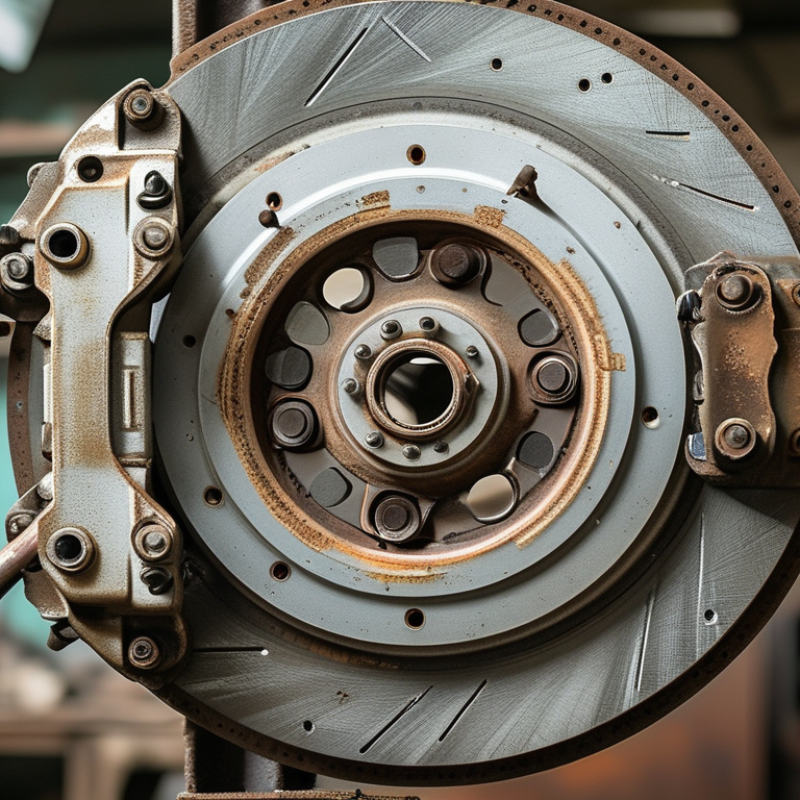
Stuck brake drums can pose serious safety risks and often stem from specific causes. One primary reason is rust accumulation. Moisture and road salt can corrode metal components, making them seize together over time. This is especially common in older vehicles or those in humid climates.
Another cause is improper installation. When brake drums are not aligned correctly, they can fit too tightly against the brake shoes. This misalignment could happen during a repair or brake service. Excessive heat can also lead to warping, which traps the drum in place. Understanding these factors helps in addressing issues effectively.
Regular inspection and maintenance are crucial. Inspecting brake components can help identify early signs of rust or wear. Using a lubricant on moving parts can reduce the risk of sticking. Being proactive can prevent the headaches of dealing with stuck drums in the future. Reviewing installation practices and ensuring correct adjustments is another vital step. It's important to always remember that neglecting these areas can lead to frustrating and dangerous situations on the road.
| Method | Description | Effectiveness | Difficulty |
|---|---|---|---|
| Hammer Method | Gently tapping the drum with a hammer to loosen it. | Moderate | Easy |
| Brake Adjuster | Adjusting the brake shoes using the adjuster mechanism. | High | Moderate |
| Pry Bar | Using a pry bar to carefully lever the drum off. | High | Moderate |
| Heat Application | Applying heat to the drum to expand and loosen it. | High | Difficult |
| Soaking with Penetrating Oil | Applying penetrating oil to the lug nuts and drum. | Moderate | Easy |
: Rust accumulation, improper installation, and excessive heat are common causes. Moisture and road salt contribute to rust.
Rust can corrode metal components, causing them to seize together. This is often seen in older vehicles.
Secure the vehicle with jack stands. Gather tools like a hammer and penetrating oil to assist in removal.
Lubrication can reduce rust buildup. It may lower the chance of components sticking by nearly 40%.
Use a hammer, a large screwdriver, and penetrating oil for effective loosening.
No, excessive force can cause damage. Patience is essential during the removal process.
Yes, gently tapping the drum's face can create vibrations that help dislodge stuck components.
Try different methods or a combination of techniques. Reflect on each step and adjust your approach as needed.
Very important. Regular inspections identify rust and wear early, helping avoid future issues.
Yes, neglect can lead to serious safety risks and frustrating situations while driving.
In the article "Top 5 Ways to Remove Stuck Brake Drum Effectively," readers are guided through the common causes that lead to brake drums becoming stuck, such as rust accumulation and improper installation. Understanding these factors is crucial for effective troubleshooting. The piece also highlights essential tools needed for removal, ensuring that individuals are prepared for the task.
A comprehensive step-by-step guide is provided, detailing techniques on how to remove stuck brake drum, including the safe application of heat to aid in loosening. Additionally, the article emphasizes preventative measures to avoid future issues, thereby promoting overall vehicle safety and maintenance. By following these strategies, car owners can ensure they address this common automotive problem effectively and efficiently.
