Nittanya Auto
Nittanya Auto
Nittanya Auto
Precision engineered brake rotors, drums, and pads built to exceed global safety compliance standards.
In the modern era of commercial and industrial transit, braking metrics have moved beyond purely mechanical parameters. Today, fleet operators, railway systems, and heavy-duty logistics providers require real-time telemetry to optimize thermal performance and avoid catastrophic failure. This is where CE Certified Vibrating Brake Sensors step in.
By integrating micro-electro-mechanical system (MEMS) accelerometers and high-precision piezo-resistive elements directly into the backing plate structure, vibrating brake sensors register high-frequency harmonics, converting subtle acoustic waves and resonant spikes into actionable performance metrics.
Understanding the engineering specifications behind our high-stability vibration analytics hardware.
Utilizing high-stability silicon MEMS nodes, our sensors are capable of capturing high-frequency vibration fields up to 20 kHz with minimal thermal drift, ensuring consistent performance in sub-zero and high-heat brake runs.
The sensor housing is fabricated from specialized high-grade ceramic-alloy composites that shield internal processors from direct thermal conduction, maintaining operation under extreme braking conditions.
Seamless communication protocol integration supporting standard J1939 CAN-bus telemetry, ensuring plug-and-play compatibility with standard commercial telematics devices.
A global leader in high-reliability brake engineering, casting, and automation systems.

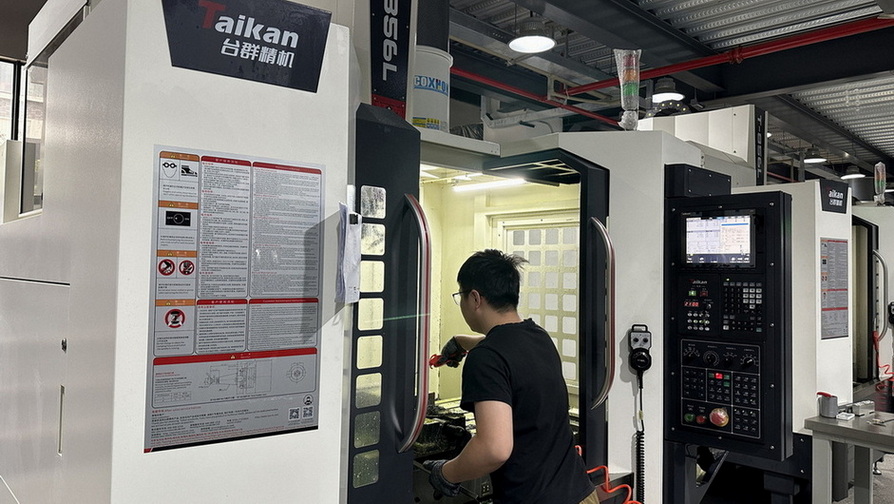

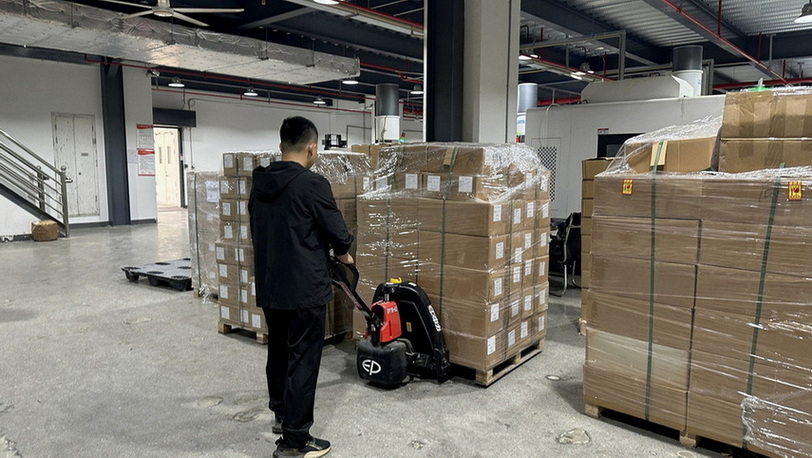

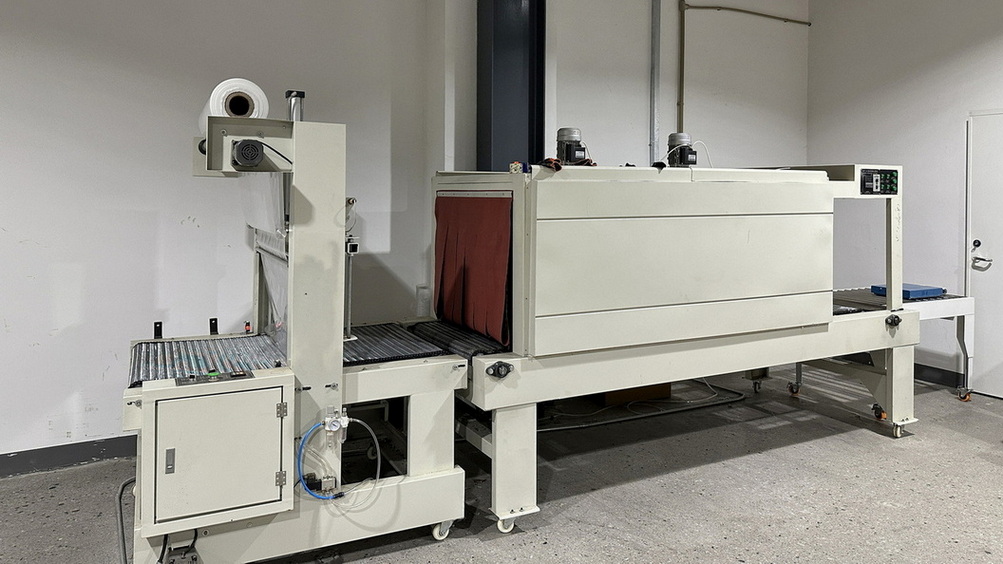
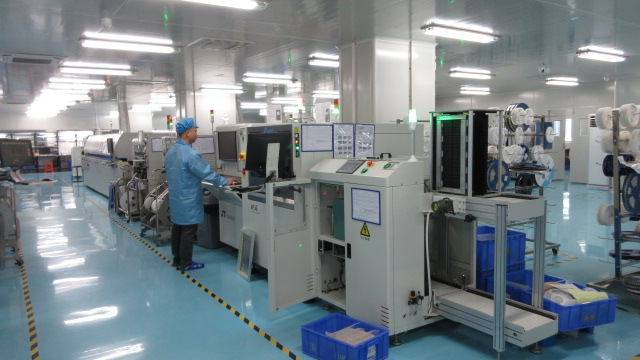

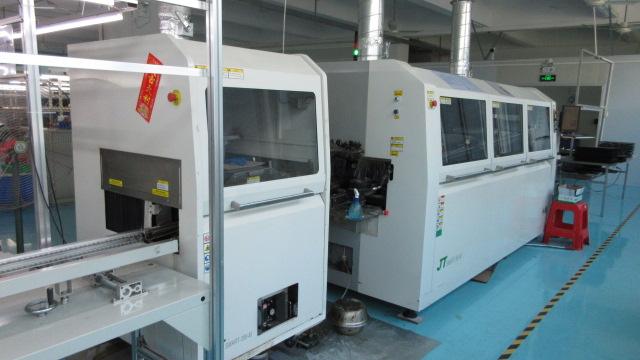

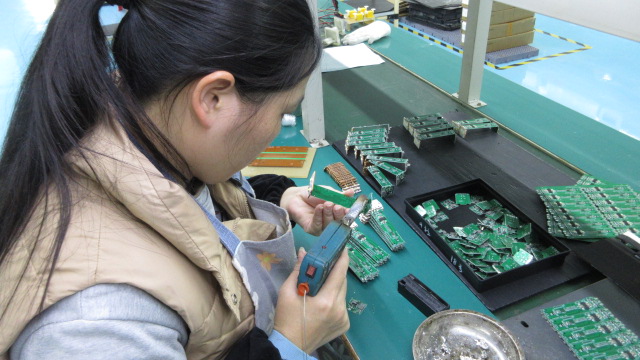

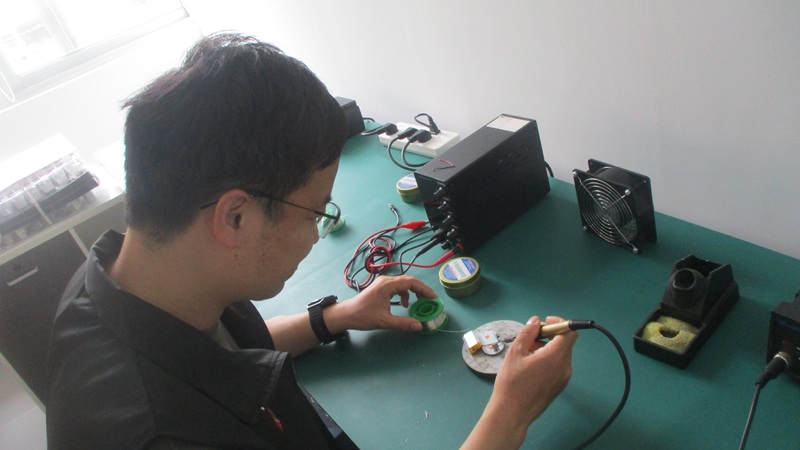
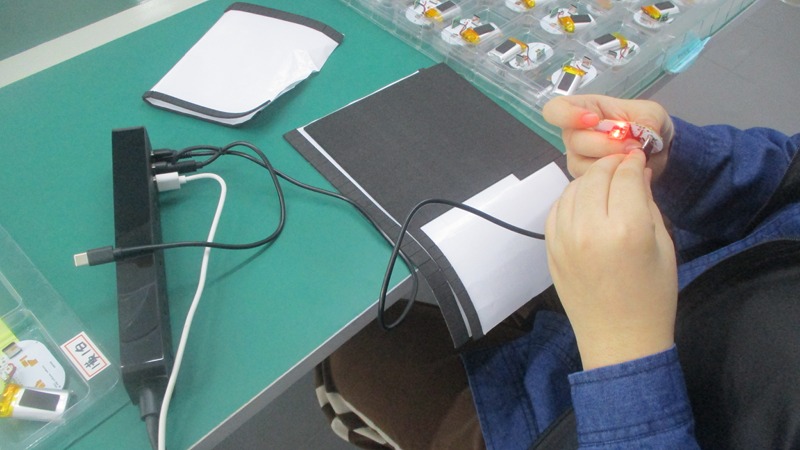
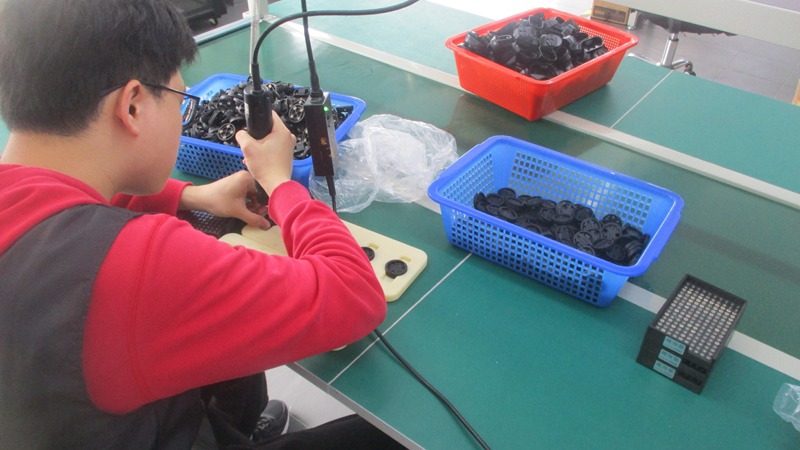
Uncompromising safety certifications verified by accredited third-party laboratories.
Every single vibrating brake sensor that exits our facility carries verified CE Certification and complies with EU directives regarding automotive electrical safety and electromagnetic compatibility (EMC).
Furthermore, our manufacturing parameters align with ISO 9001 and IATF 16949 standards, establishing our credibility as a Tier 1 supplier for global vehicle assembly systems. From incoming components inspection via AOI testing to heat chamber lifecycle simulations, we monitor every point of vulnerability.
Pioneering the next stage of braking intelligence and automated telemetry systems.
Implementing specialized epoxy seals to withstand short-term heat peaks of up to 450°C during heavy continuous mountainous descents.
Edge computing integration inside the vehicle ECU to filter out road vibration noise, highlighting only true brake-wear frequencies.
Development of self-powered wireless piezoelectric sensors that transmit structural health data via Bluetooth Low Energy (BLE).
Expert responses regarding safety parameters, installations, and manufacturing criteria.
Examine our certified heavy-duty truck, bus, and passenger car brake drums and specialty rotors.