Nittanya Auto
Nittanya Auto
Nittanya Auto
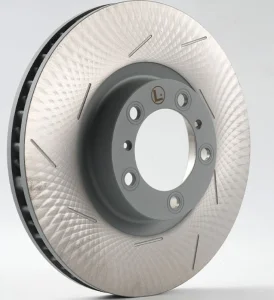
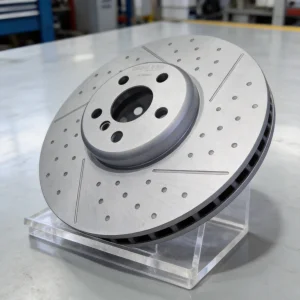
In the evolving landscape of automotive engineering, the transition from traditional cast iron to Carbon-Silicon Carbide (C/SiC) composites represents the pinnacle of thermal management and weight reduction.
Traditional rotors suffer from thermal fade at temperatures exceeding 600°C. Custom OEM Carbon Fiber Brake Rotors, however, maintain a stable friction coefficient up to 1,000°C. This "Information Gain" is critical for high-stakes racing and heavy-duty aerospace applications where failure is not an option.
The next decade will focus on 3D Carbon Preform weaving and Chemical Vapor Infiltration (CVI) automation. Our factory is currently transitioning to "Industry 4.0" protocols, integrating AI-driven defect detection to ensure 100% structural integrity in every rotor produced.
Leveraging the industrial powerhouse of Qingdao, Nittanya Auto Co., Ltd. provides a unique intersection of cost-efficiency and aerospace-grade precision.
The global market for high-performance braking is shifting toward "Sustainability through Durability." Our Qingdao-based supply chain benefits from the world's most robust carbon fiber precursor ecosystem, allowing us to offer OEM solutions at a fraction of European boutique costs without compromising E-E-A-T standards.
Every rotor complies with ISO/TS 16949 and ECE R90 standards. We utilize non-destructive testing (NDT) including ultrasonic and X-ray scanning to verify the carbon density and silicon carbide distribution within the matrix.
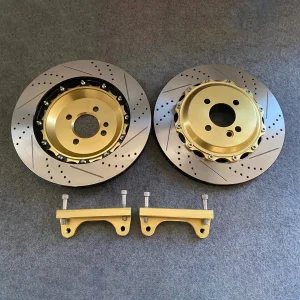
With distribution hubs across North America and Europe, we provide 24/7 localized technical support. Whether it's custom mounting bells or specific cooling vane designs, our engineering team provides rapid-prototyping services (ODM) to meet regional homologation requirements.
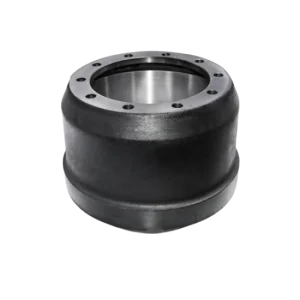
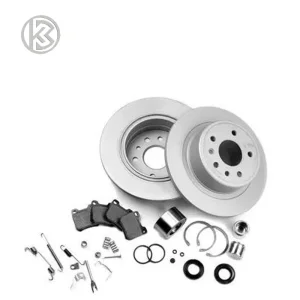
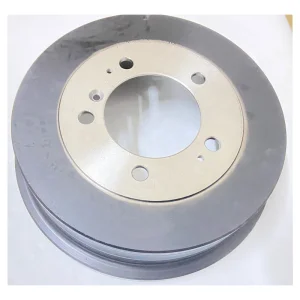
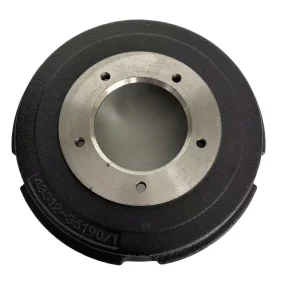
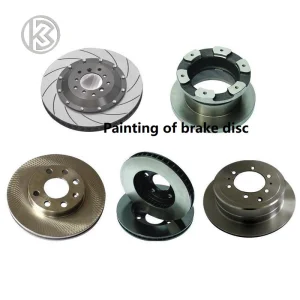
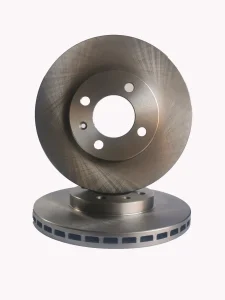
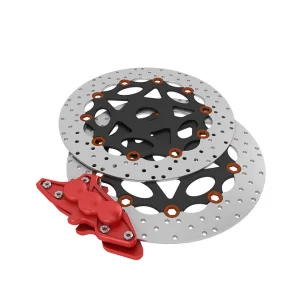
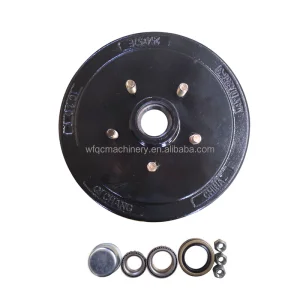
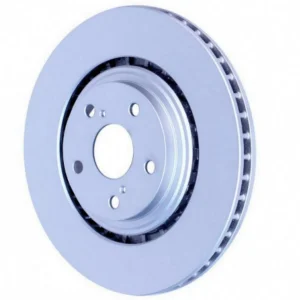
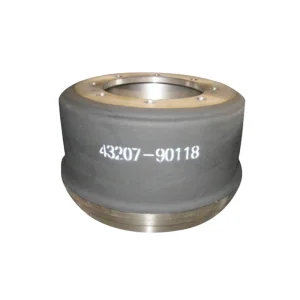
Qingdao Nittanya Auto Co., Ltd. is a professional manufacturer and exporter specializing in automotive braking system components, including brake discs, brake drums, brake hubs, and related auto parts. Located in Qingdao, China, one of the country's most important international port cities, the company enjoys convenient transportation and excellent logistics advantages for global shipments.
Our production facilities are equipped with advanced casting, machining, balancing, and testing equipment. The annual production capacity exceeds one million pieces, enabling us to meet the diverse demands of both OEM and aftermarket customers. Quality is at the core of our business; we implement rigorous inspection procedures to ensure every product meets international quality standards.
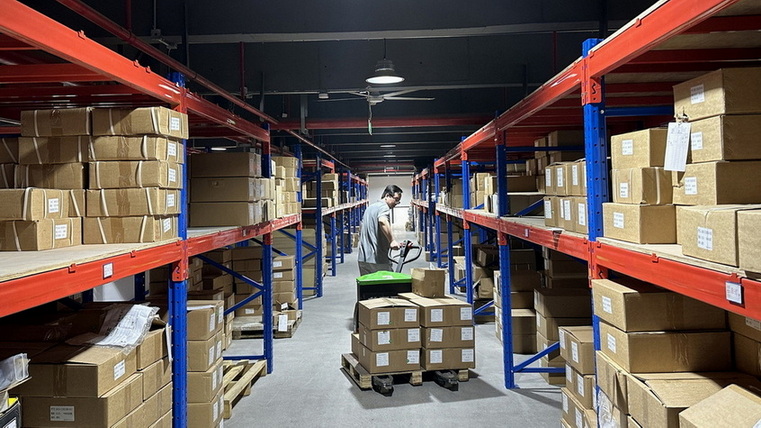 Raw Material Selection
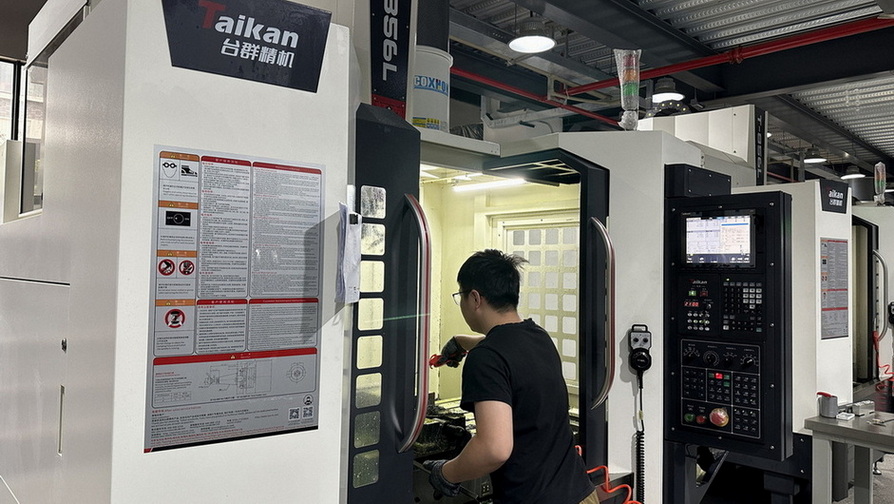 Precision CNC Machining
 Automatic Packaging Line
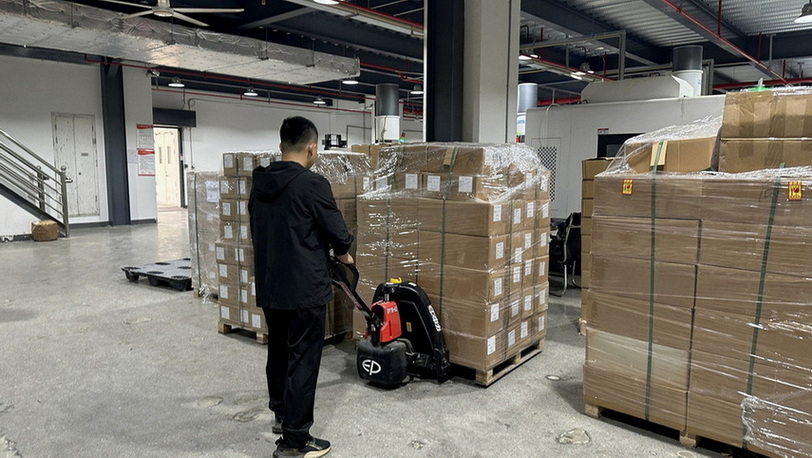 Finished Product Inspection
 High-Tech Machining Center
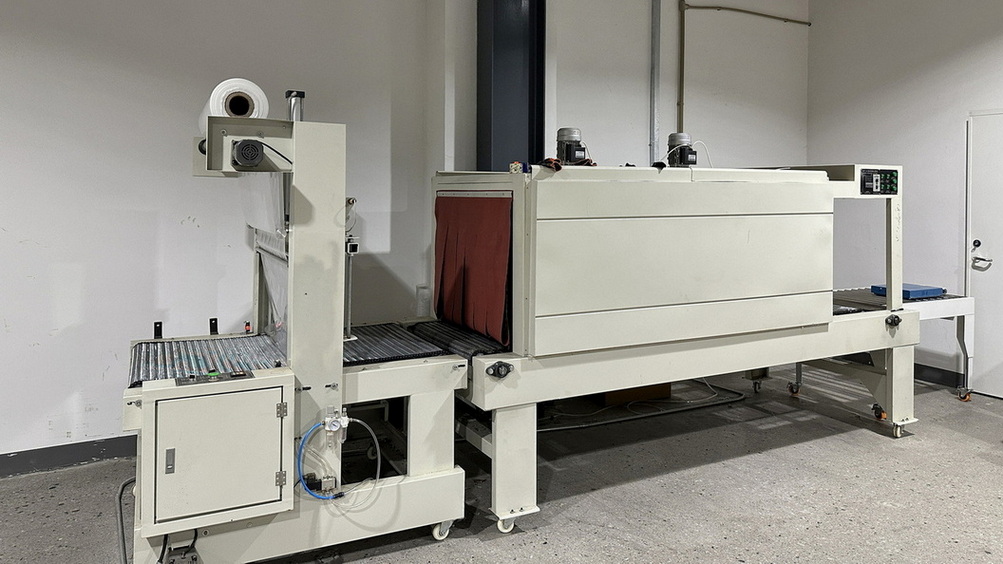 Smart Packing Equipment
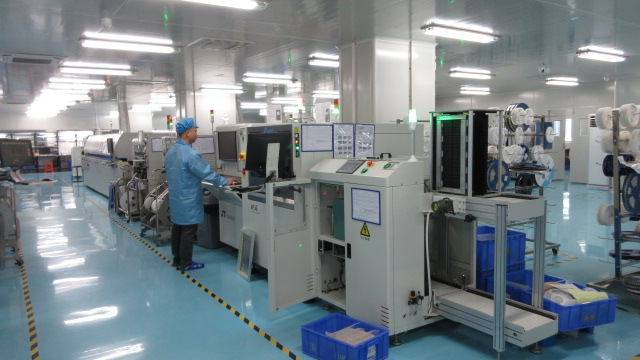 SMT Electronic Integration
 AOI Automated Inspection
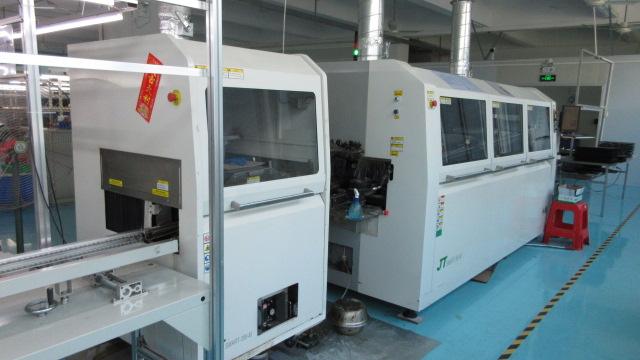 Precision Insert Device
 Wave Soldering Process
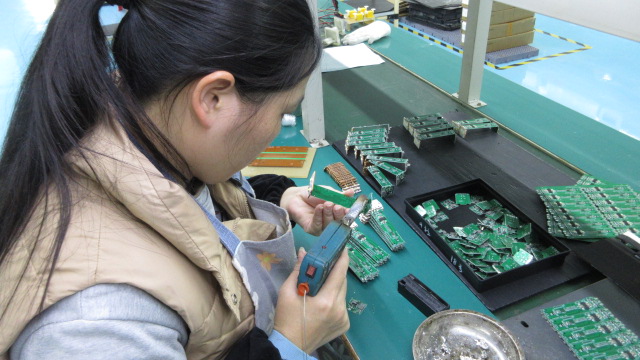 Manual Quality Soldering
 Final Function Check
The manufacture of Carbon Fiber Brake Rotors is a multi-stage chemical and mechanical orchestration. It begins with the pyrolysis of polyacrylonitrile (PAN) fibers to create a carbonized preform. This preform is then subjected to Liquid Silicon Infiltration (LSI), where molten silicon reacts with the carbon matrix to form Silicon Carbide (SiC). This resulting material is extremely hard, heat-resistant, and chemically inert.
From an SEO Growth perspective, understanding the user intent of a "Custom OEM" seeker is paramount. These users are not looking for generic replacements; they are seeking engineering partners. They require data on thermal expansion coefficients, shear strength of the rotor-to-hat interface, and NVH (Noise, Vibration, Harshness) damping characteristics. By providing this information gain, Nittanya Auto establishes itself as an authority (E-E-A-T) in the high-performance braking sector.
Future developments involve the integration of Embedded Sensors within the carbon matrix. These "Smart Rotors" will communicate real-time wear and temperature data to the vehicle's ECU via CAN-bus, allowing for predictive maintenance—a crucial feature for the burgeoning autonomous fleet market.
China's logistics dominance, particularly out of the Port of Qingdao, ensures that these advanced materials can be exported globally with minimal lead times. Our "Just-In-Time" manufacturing model for custom rotors reduces the capital expenditure for our B2B partners, making high-performance technology accessible for mainstream commercial applications.