Nittanya Auto
Nittanya Auto
Nittanya Auto
Engineered for high thermal resistance, consistent friction performance, and precise structural tolerances.
The global automotive dynamics are witnessing a rapid paradigm shift. Combined Brake Systems (CBS) are no longer limited to niche two-wheeler safety applications. In modern electric vehicles (EVs), multi-axle freight logistics, and light passenger transport, integrated brake force distribution architectures represent the front line of passive safety. By automatically distributing braking force between the front and rear wheels, CBS minimizes stopping distances, prevents wheel lockups under critical load profiles, and enhances vehicle yaw stability.
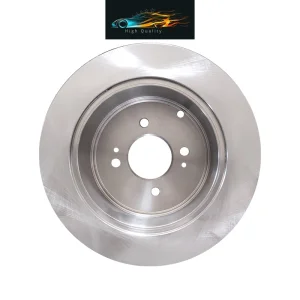
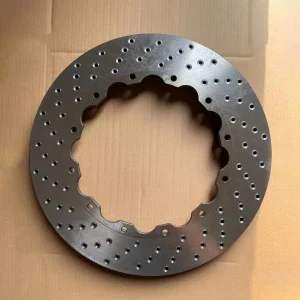
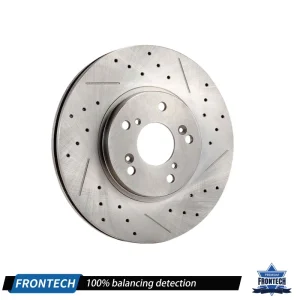
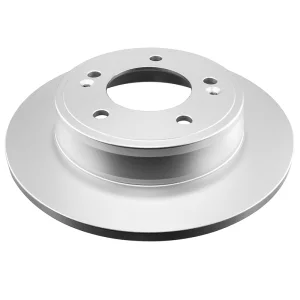
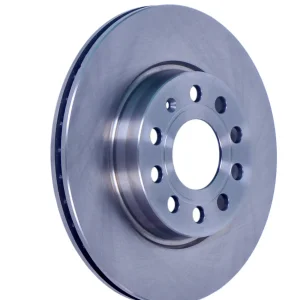
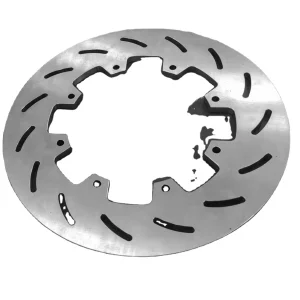
OEMs globally struggle with thermal cracking, high-speed vibration, and accelerated wear caused by uneven weight distribution during sudden braking. Our customized solutions combine high-grade grey cast iron formulations (typically meeting G3000 to G3500 standards) with specialized geometric venting designs to optimize airflow and lower operating temperatures by up to 150°C compared to conventional solid rotors.
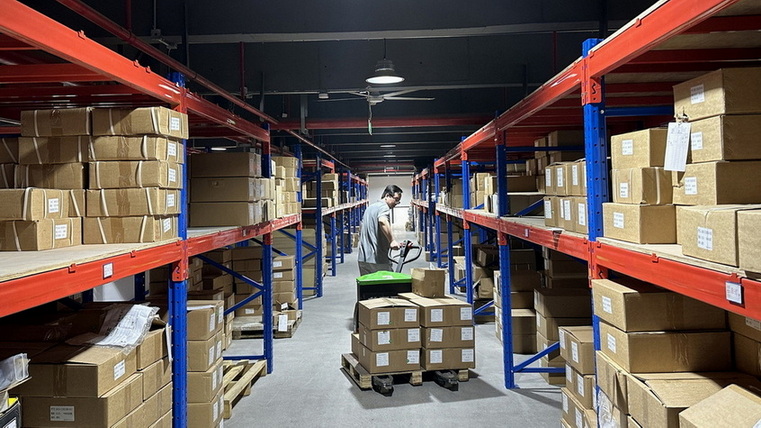
Modern global sourcing teams prioritize supply chain resilience, compliance certificate validation, and high volume reliability. To address these demands, Tier-1 buyers require suppliers that can guarantee consistent tensile strength, strict balance measurements (under 100 g·mm), and zero-defect quality thresholds. Working directly with a port-based exporter like Qingdao Nittanya Auto Co., Ltd. ensures reduced sea-freight timelines and direct integration into localized Kanban inventory systems.
A Professional Manufacturer and Exporter Specializing in Automotive Braking Components
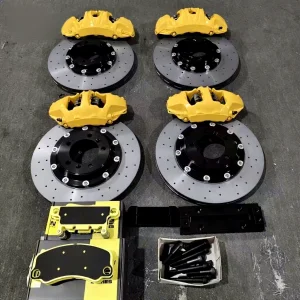
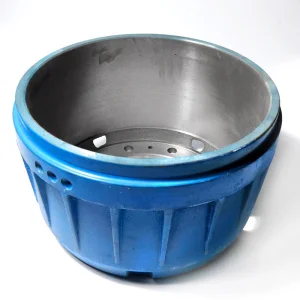
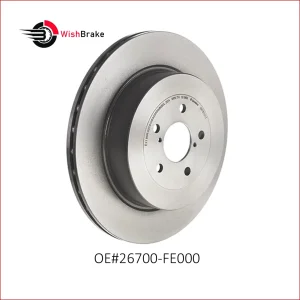
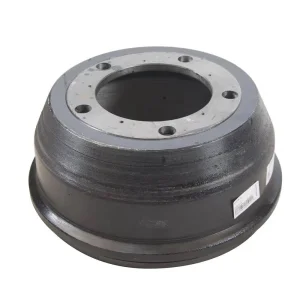
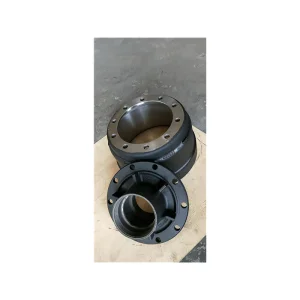
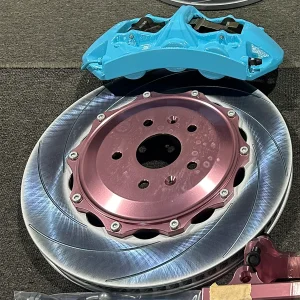
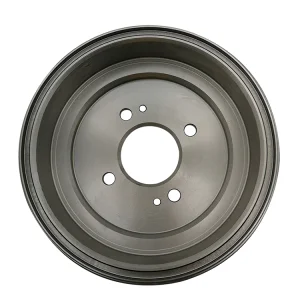
Located in Qingdao, China—one of the country's most vital international deepwater port cities—Qingdao Nittanya Auto Co., Ltd. enjoys unparalleled transportation advantages, streamlining global logistics and mitigating maritime lead times. Since our inception, we have dedicated our production capabilities to supplying high-quality automotive braking components, including advanced brake discs, heavy-duty brake drums, custom brake hubs, and precision-engineered assembly kits.
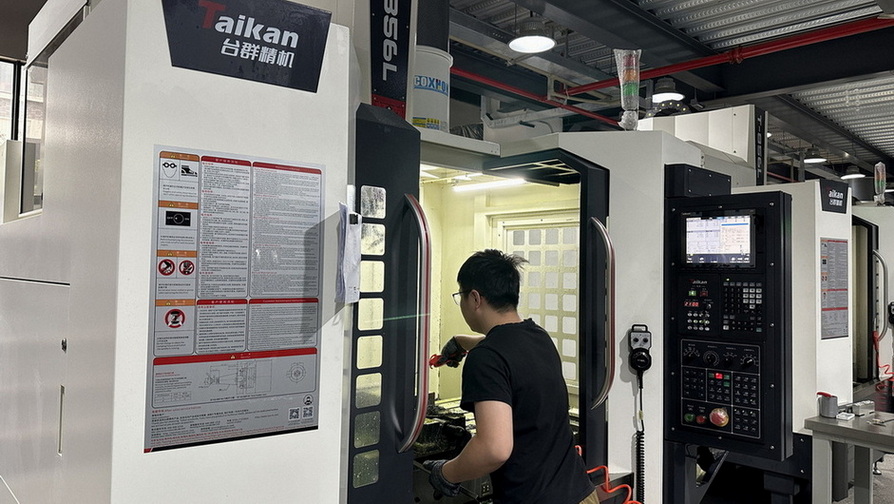
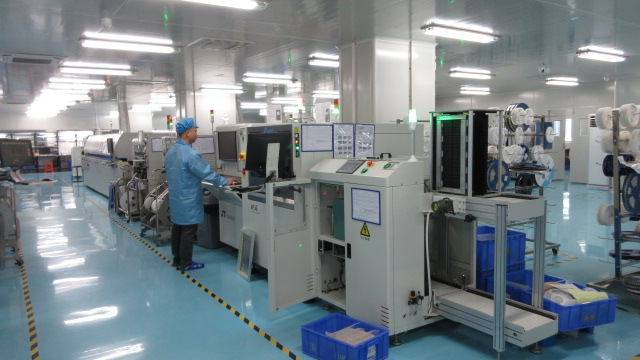
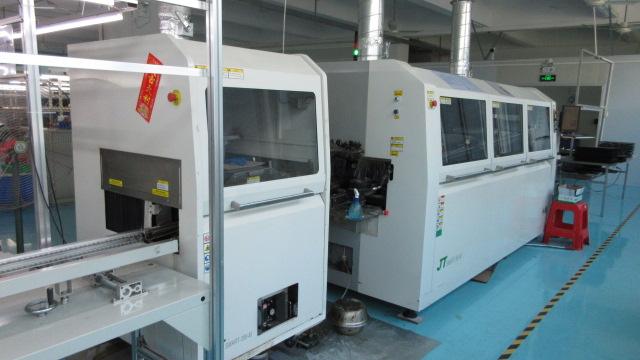
Our expansive global footprint spans Europe, North America, South America, Africa, the Middle East, and Asia. Operating under rigorous automotive quality standards, Nittanya’s production plants are equipped with modern casting lines, computerized CNC machining centers, dynamic balance correcting machines, and non-destructive testing labs. This guarantees high performance for both OEM supply chains and demanding aftermarket brands.
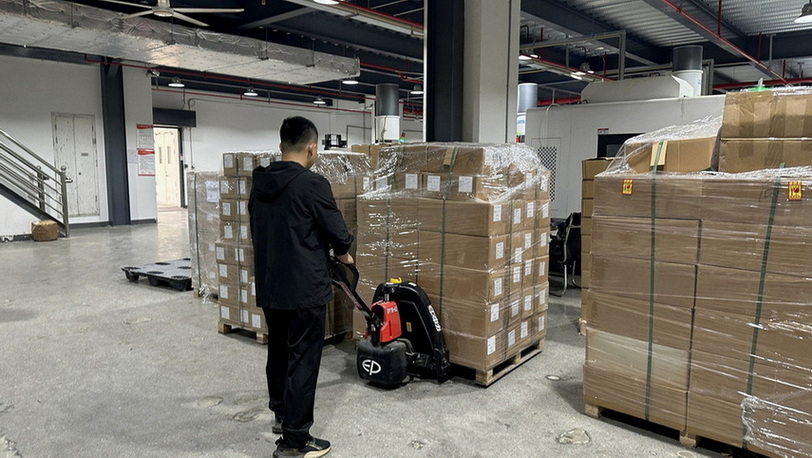
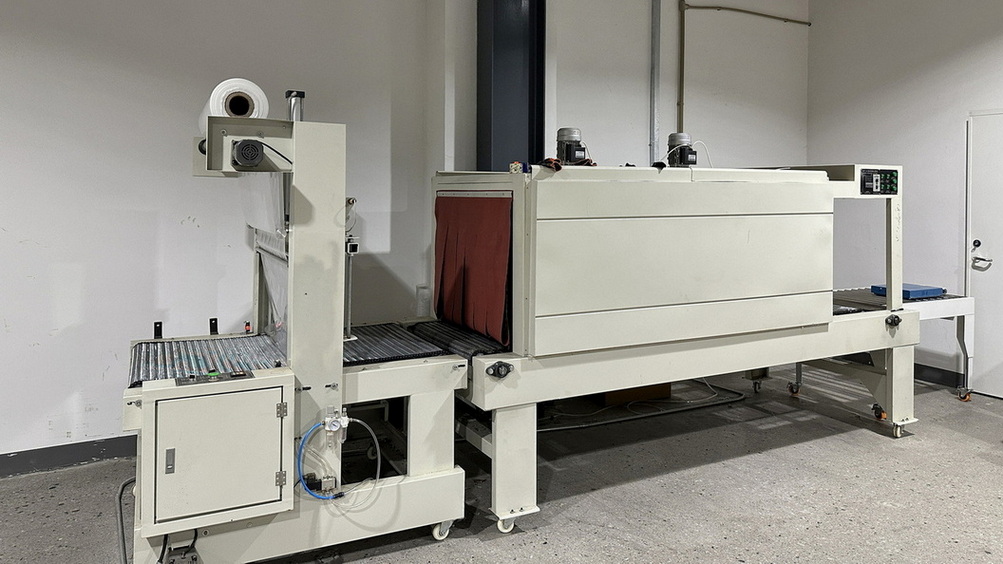
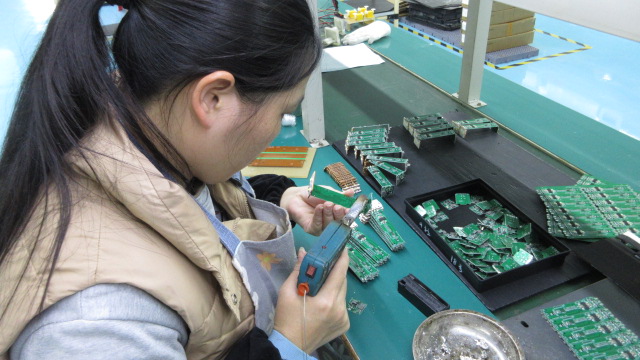
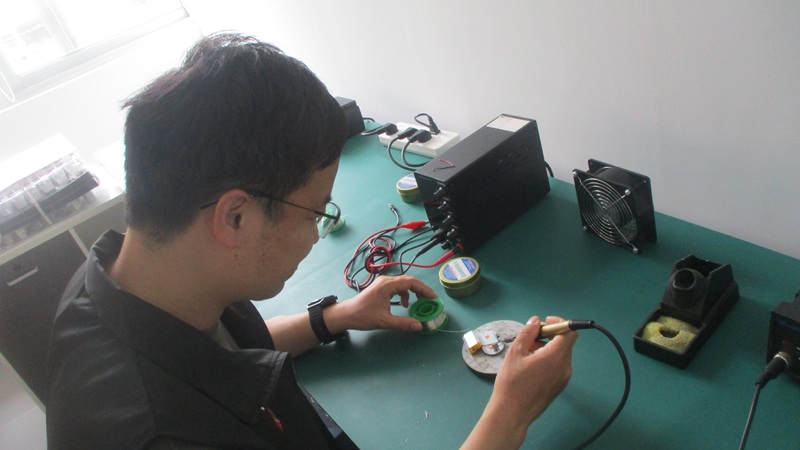
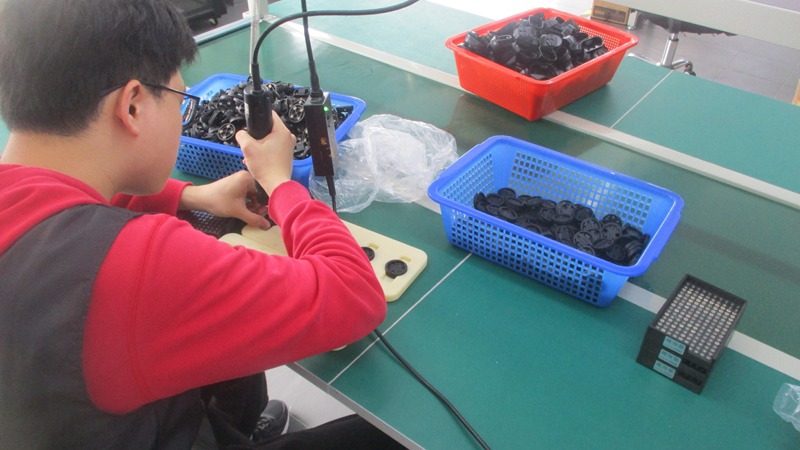
Every step of our process—from casting raw materials to precise CNC machining and electronic diagnostic checking—is fully integrated.


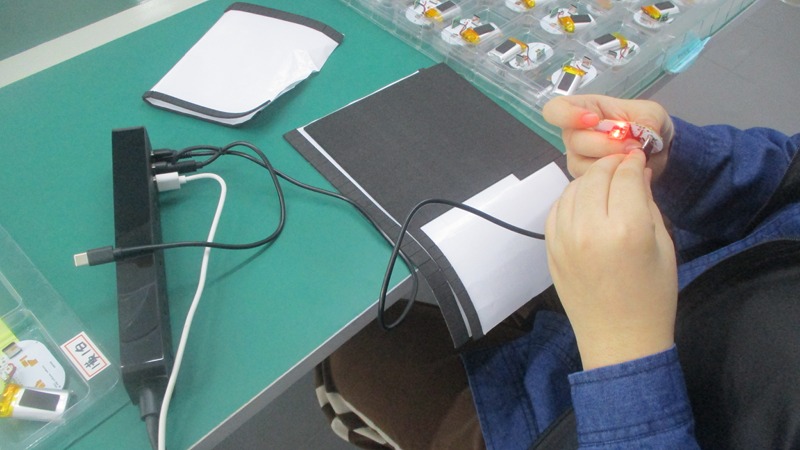
Supporting advanced electronics, sensor integrations, and checking routines for intelligent braking control units.



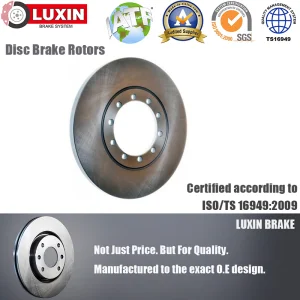
Braking systems must satisfy regional certification requirements. Our manufacturing lines run under strict ISO/TS 16949 quality guidelines, and our custom components designed for the European and US markets comply fully with ECE R90 regulations and FMVSS 121 standards. This guarantees that your fleet or retail network remains completely protected from regulatory and product-safety liabilities.
Our material engineers focus on two main technological tracks: Carbon-Ceramic Matrix composites for extreme weight reduction in luxury vehicles, and advanced anti-corrosion coatings such as Geomet, Dacromet, and Electrophoresis. These coatings maintain mechanical properties under salt-spray exposures exceeding 240 hours.
Understanding tolerances, chemical compositions, and procurement processes for Combined Brake Systems.
Direct OEM & Aftermarket replacement components for passenger vehicles, heavy trucks, and buses.