Nittanya Auto
Nittanya Auto
Nittanya Auto
Exposing the pinnacle of precision metallurgy and machining. Hover over products to view real-time manufacturing specifications.
Qingdao Nittanya Auto Co., Ltd. stands as a premier manufacturer and exporter specializing in the high-precision engineering of automotive braking system components, including premium brake discs, robust brake drums, brake hubs, and integrated electronic system components. Located in the coastal logistics corridor of Qingdao, China, the company provides direct access to modern, international deep-water port systems, guaranteeing streamlined shipping configurations, custom containerized transport solutions, and minimized transit durations worldwide.
Since its inception, Nittanya Auto has remained dedicated to fabricating and distributing high-integrity automotive safety parts to rigorous markets across Europe, North America, South America, Africa, the Middle East, and Asia. Operating under clean ISO standard production models, our facilities utilize state-of-the-art automated casting lines, multi-spindle CNC machining centers, fully computerized dynamic balancing rigs, and advanced ultrasonic non-destructive testing suites. These processes secure consistent dimensional stability and absolute balance control across every cast run.
With an annual production volume exceeding one million finished components, we address the diverse requirements of both global Tier-1 OEM suppliers and major global aftermarket distributors. Our dedicated R&D engineering division maintains, refines, and calibrates over 1,000 unique vehicle applications, ensuring seamless compliance with diverse European, American, Japanese, and Korean vehicular platforms.
How advanced material science defines safety, durability, and NVH characteristics in severe service applications.
Every Nittanya rotor is cast using a optimized microstructure formulation adhering strictly to SAE J431 G3000 standards. Our carbon content is maintained between 3.2% and 3.5%, featuring a fully pearlitic matrix. This configuration facilitates superior thermal conductivity, dampens low-frequency vibrations, and significantly limits structural wear under repeated high-thermal cycles.
Through addition of trace elements including copper, chromium, and molybdenum, Nittanya castings achieve excellent thermal fatigue thresholds. This limits localized structural micro-cracking and deformation, commonly caused by extreme thermal expansion and contraction cycles during emergency deceleration.
Noise, Vibration, and Harshness (NVH) properties are fundamentally resolved within our chemistry. The structural distribution of graphite flakes within our proprietary casting formulations absorbs acoustic frequencies and dampens harmonics, minimizing brake squeal and pedal judder without altering pad coefficient performance.
True OEM excellence verified through structured traceability. Our manufacturing floor combines precision foundry casting, micro-precision CNC machining, and automated electronic board integration.
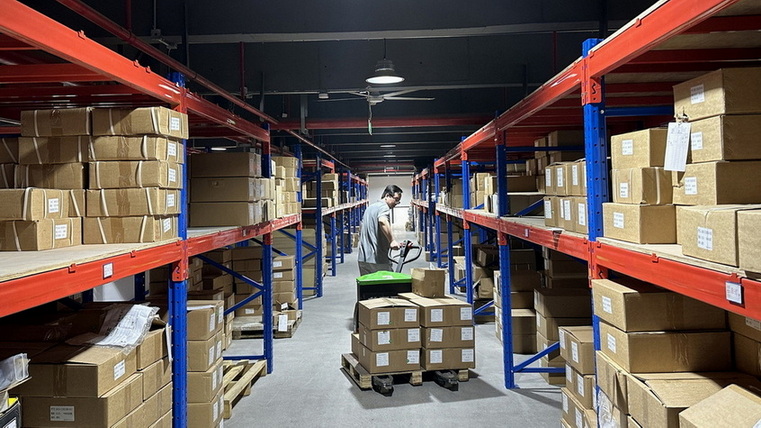
Carefully calibrated pig iron, scrap steel, and trace alloys undergo spectroscopic carbon-equivalent confirmation before melting.
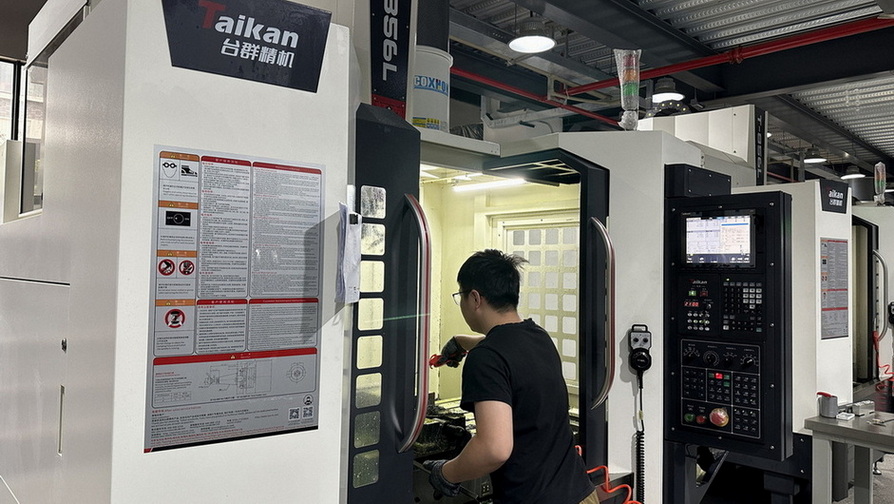
Precision lathe systems mill friction surfaces in a single setup, guaranteeing absolute parallelism and zero disc thickness variation.

Finished rotors are rust-protected and vacuum-packed. This preserves structural surfaces throughout ocean shipping cycles.
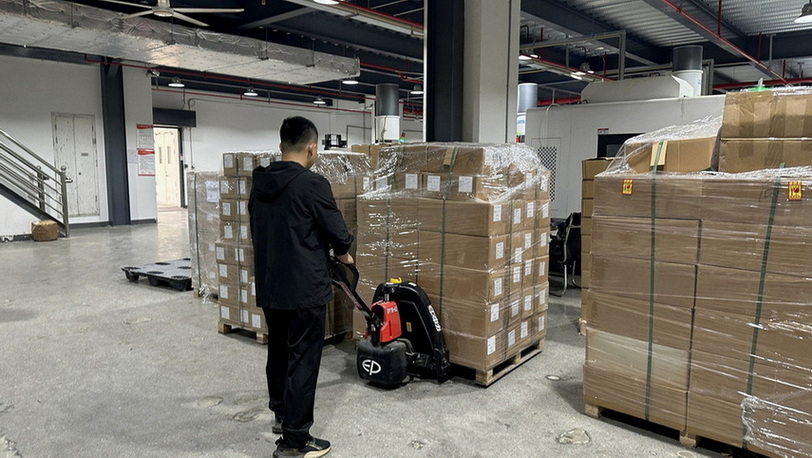
Comprehensive dimensional clearance, runout checks, and dynamic balancing operations are recorded prior to boxing.

Equipped with robotic material loading systems, our CNC hub achieves consistent, highly repeatable dimensional accuracy.
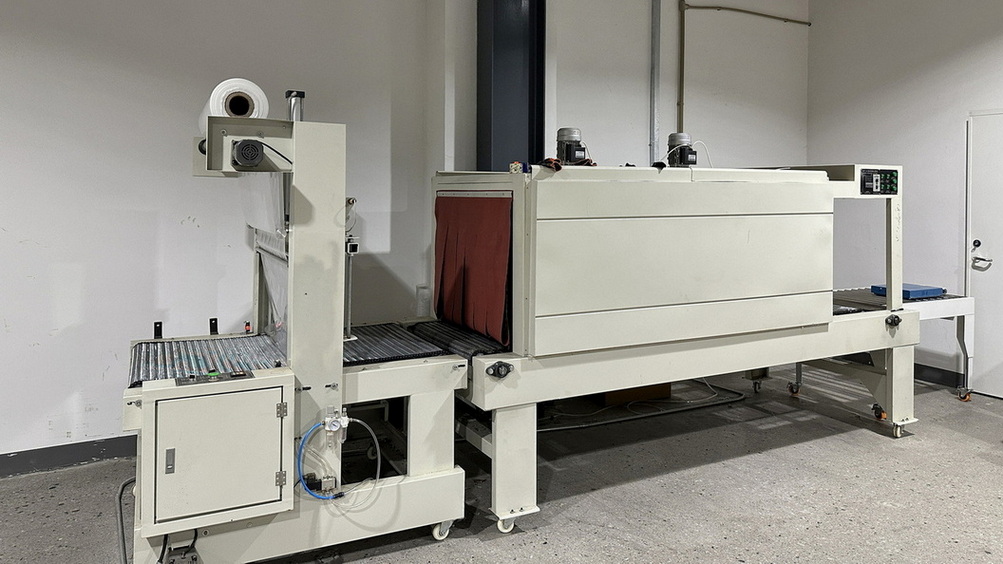
Minimizes human contact, ensuring exact protective wrap placement and accurate labeling on external cartons.
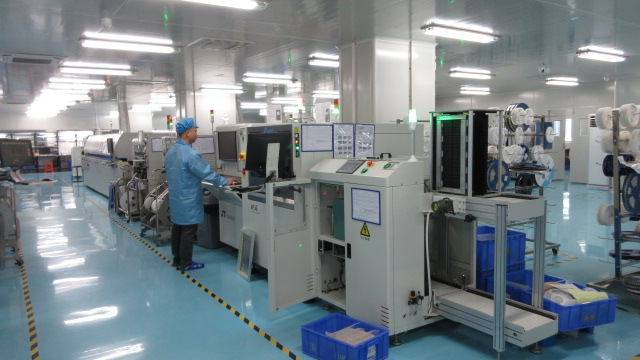
Fabrication of integrated electronics for advanced EPB (Electric Parking Brake) controllers and speed sensors.

High-resolution diagnostic imaging monitors solder joint defects, preventing PCB issues in complex control boards.
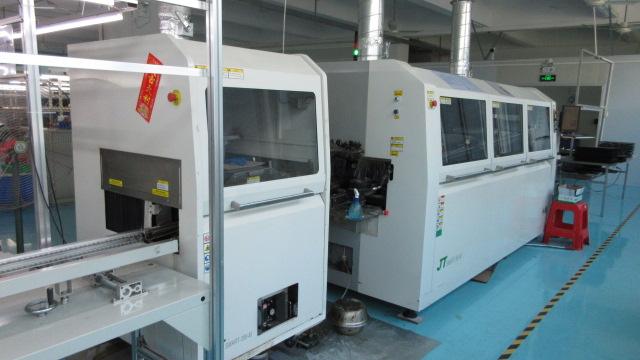
Precise manual and semi-automated component insertion ensures component securement on heavy duty power boards.

Guarantees highly reliable lead-free structural soldering across all smart sensor circuits.
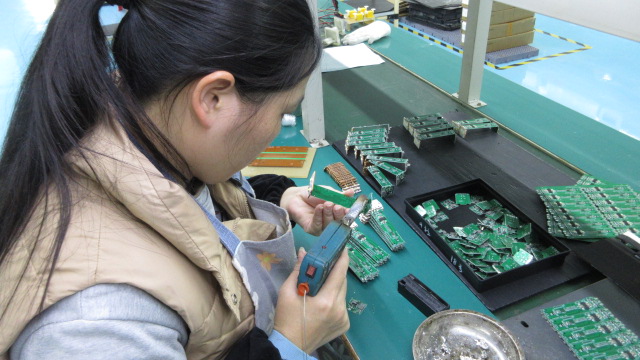
Expert technicians handle sensitive connection wiring that automated systems cannot process safely.

Testing circuits under loaded operating parameters to ensure they respond reliably under various braking scenarios.
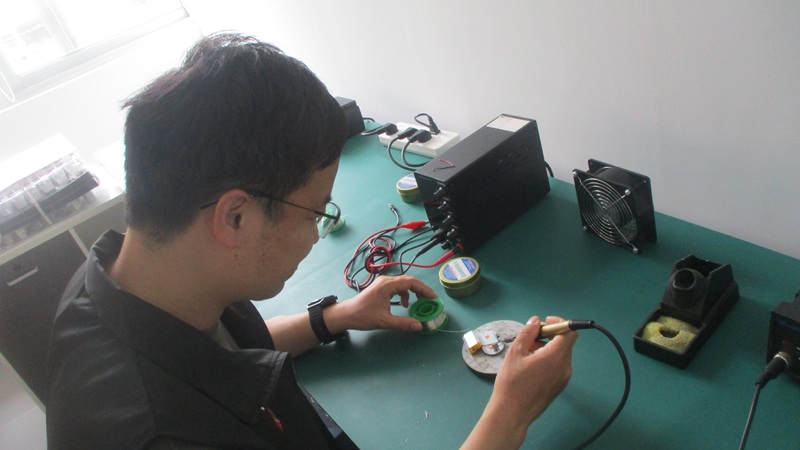
Protective layers insulate boards against water, salt spray, and road grime, preventing moisture ingress.
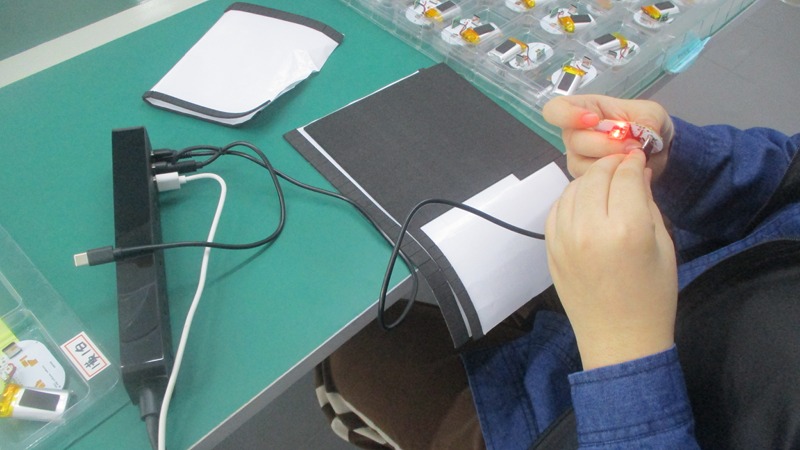
Verifies communication protocols with ABS and stability programs to match OEM signal profiles.
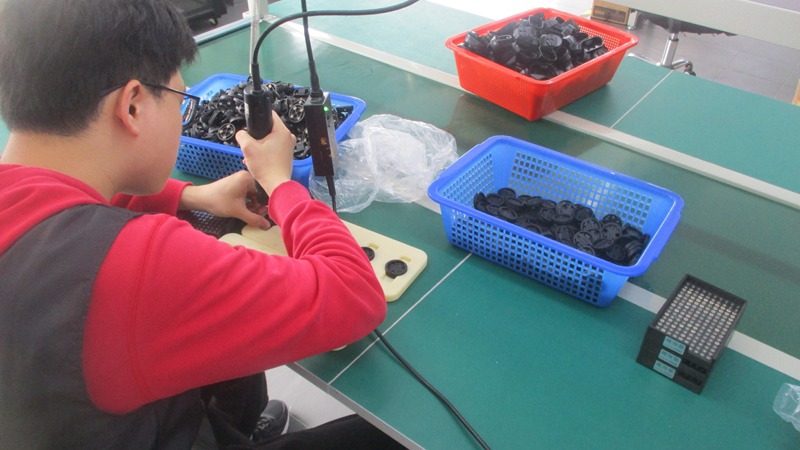
Final torque-calibrated casing assembly seals components, creating a road-ready system.
Why SMT electronic capability and high-carbon metallurgy are critical for the next generation of hybrid and battery-electric vehicles.
In modern electric vehicles (EVs), friction brakes are engaged less frequently due to motor regeneration. While this increases range, it leaves rotors susceptible to rust, atmospheric corrosion, and galvanic degradation.
To address this, our R&D group offers specialized Geomet coated rotors and high-carbon composite discs. These materials maintain thermal and mechanical reliability even after long periods of inactivity.
Electric Parking Brake (EPB) systems demand strict integration between mechanical calipers and electronic controls. Nittanya Auto's in-house SMT and wave-soldering lines manufacture controllers that handle high torque loads and deliver reliable performance under harsh road conditions.
| Component Attribute | Standard Passenger Rotor | Heavy Commercial Drum | EV / High-Carbon Optimized |
|---|---|---|---|
| Carbon Ratio | 3.1% - 3.3% | 3.3% - 3.5% | 3.6% - 3.8% (High Carbon) |
| Tensile Strength | ≥ 220 MPa | ≥ 250 MPa | ≥ 210 MPa (High Damping) |
| Run-Out Tolerance | ≤ 0.05 mm | ≤ 0.08 mm | ≤ 0.03 mm |
| Surface Treatment | Oiled / Zinc Plated | Bare / Ground | Geomet 321/500 Coating |
| DTV Limitation | < 0.010 mm | < 0.015 mm | < 0.008 mm |
Maximizing cost-efficiencies, raw material availability, and maritime logistics to ensure global continuity of supply.
Situated within the Qingdao industrial manufacturing zone, Nittanya Auto enjoys proximity to one of the world's largest deep-water ports. This translates directly to daily departures, container consolidations, and reduced drayage expenses, helping international buyers mitigate shipping risks.
Proximity to key steel mills in Shandong province allows us to source raw materials efficiently. We maintain strict control over our inputs, isolating cast operations from raw material price swings and volatile coke pricing.
From initial CAD blueprint generation and finite element analysis (FEA) to pilot casting runs and final ISO certification processes, our engineering team manages the complete product development lifecycle in-house.
Answers to common engineering and sourcing questions regarding brake component metallurgy, OE testing, and manufacturing lead times.
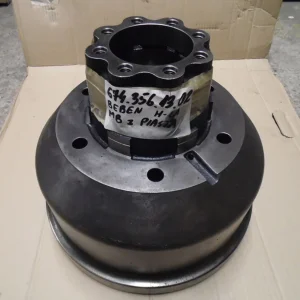
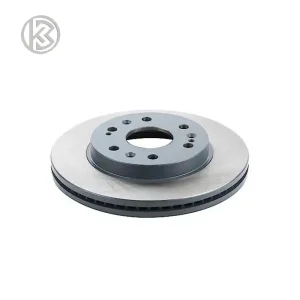
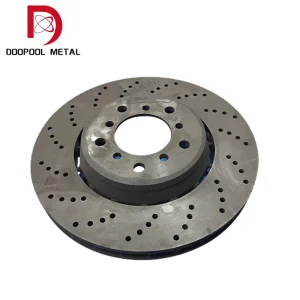
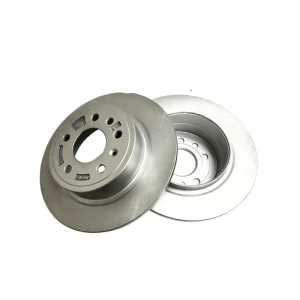
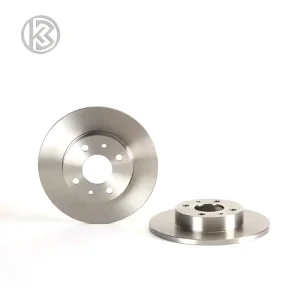
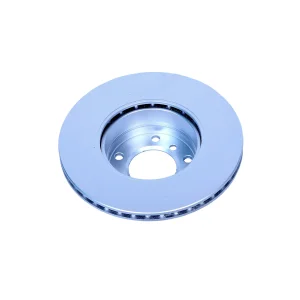
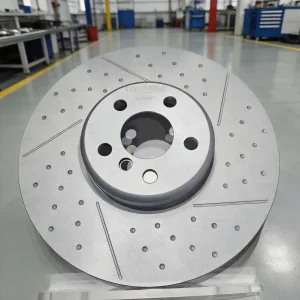
Browse our inventory of direct-replacement OE rotors and drums. Each product is engineered to match original dimensions and metallurgical standards.