Nittanya Auto
Nittanya Auto
Nittanya Auto
Engineered to work seamlessly with cutting-edge brake wear indicator systems for maximum safety.
Analyzing global sourcing patterns and system integration parameters for Tier-1 suppliers.
Global procurement teams prioritize sensors that trigger alerts at precise wear thresholds (typically 2-3mm remaining). Low tolerances in electrical resistance fluctuations prevent false warnings on complex vehicle dashboard systems.
Brake pad wear sensors operate directly in extreme thermal environments exceeding 500°C. Quality sensors demand high-grade PPS or PEEK materials alongside fluoropolymer insulated wires to prevent premature melt failures.
Sensors must withstand heavy road salt, moisture, and high-impact vibrations. Robust strain relief boots and OE-grade connection terminals guarantee long-term system integrity across diverse international climates.
Your Premier Partner in Advanced Automotive Braking & Sensor Solutions
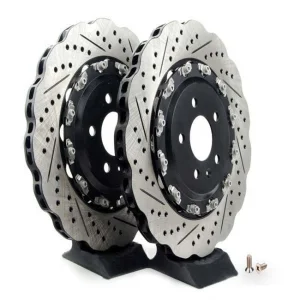
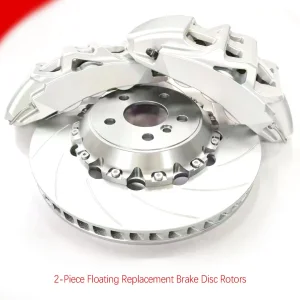
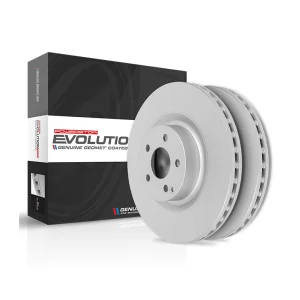
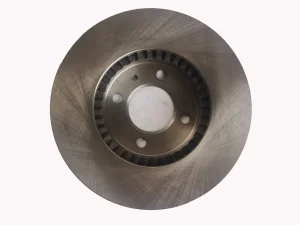
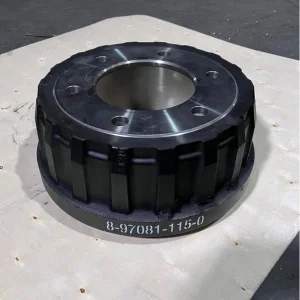
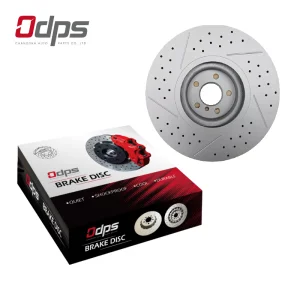
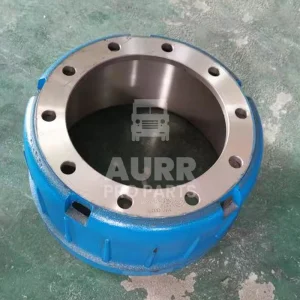
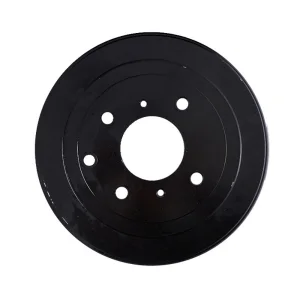
Qingdao Nittanya Auto Co., Ltd. is a professional manufacturer and exporter specializing in automotive braking system components, including brake discs, brake drums, brake hubs, and related auto parts. Located in Qingdao, China, one of the country's most important international port cities, the company enjoys convenient transportation and excellent logistics advantages for global shipments.
Since its establishment, Nittanya Auto has been committed to providing high-quality automotive parts to customers worldwide. With years of industry experience and continuous technological innovation, the company has developed into a reliable supplier serving customers across Europe, North America, South America, Africa, the Middle East, and Asia.
Our production facilities are equipped with advanced casting, machining, balancing, and testing equipment, ensuring stable production capacity and strict quality control throughout every manufacturing process. The annual production capacity exceeds one million pieces, enabling us to meet the diverse demands of both OEM and aftermarket customers.
Nittanya Auto possesses a strong technical team consisting of experienced engineers and skilled professionals dedicated to product development, quality improvement, and technical support. Our extensive product range covers more than 1,000 models suitable for European, American, Japanese, Korean, and other international vehicle applications.
Quality is at the core of our business. We implement rigorous inspection procedures and continuously improve our manufacturing processes to ensure that every product meets international quality standards and customer expectations. In addition, we offer flexible OEM and ODM services, helping customers develop customized solutions for their specific market requirements.
Guided by the principles of excellent quality, competitive pricing, timely delivery, and professional service, Qingdao Nittanya Auto Co., Ltd. strives to build long-term and mutually beneficial partnerships with customers around the world.
 Raw material
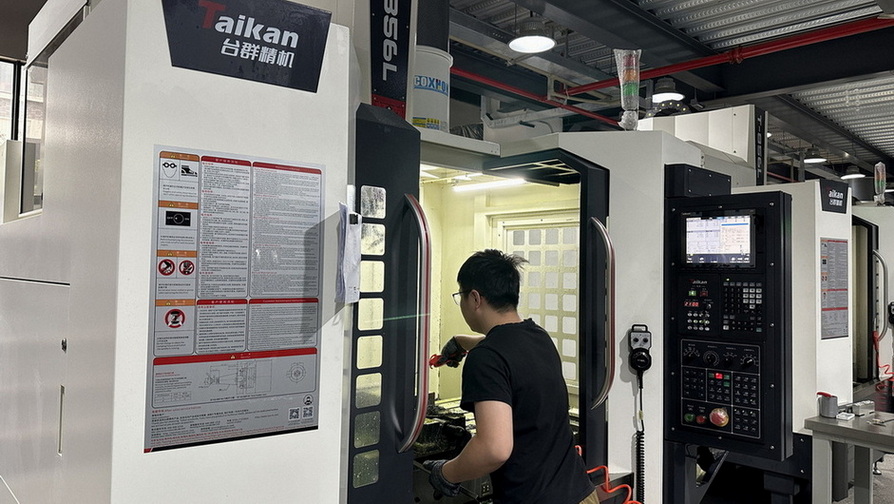 CNC machining
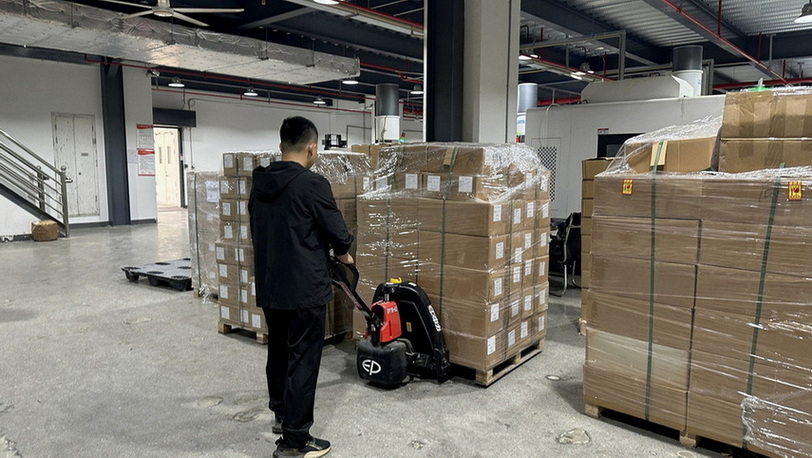
 Automatic packaging
 Finished Poruduct
 CNC machining equipment
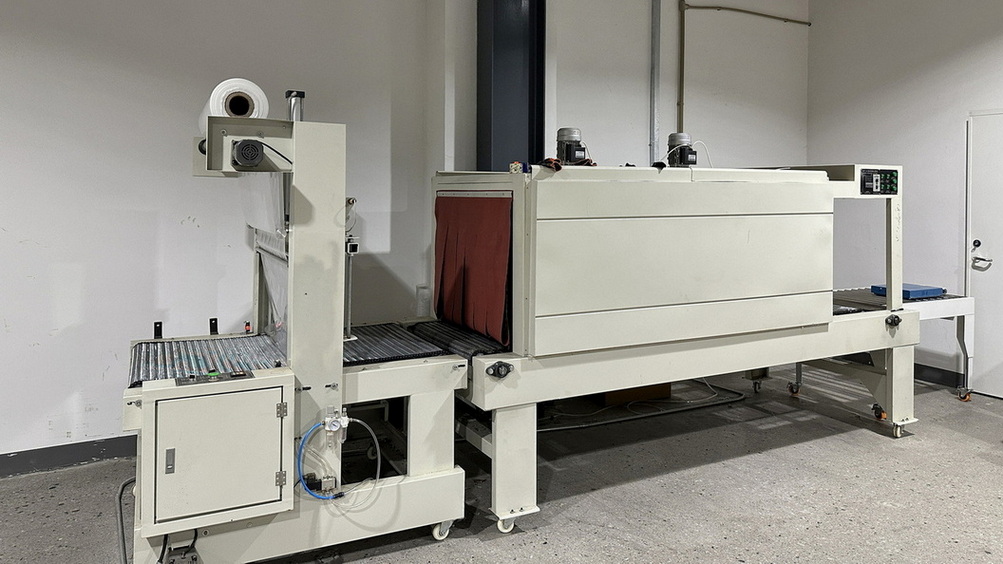 Automatic packaging equipment
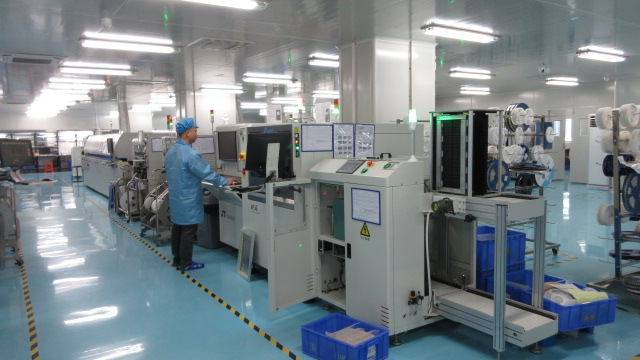 SMT
SMT
 AOI
AOI
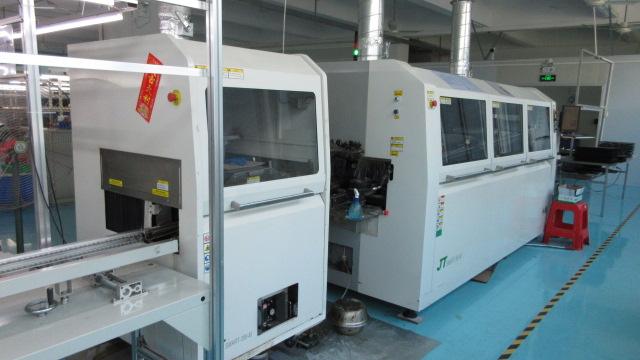 Insert Device
 Wave Soldering
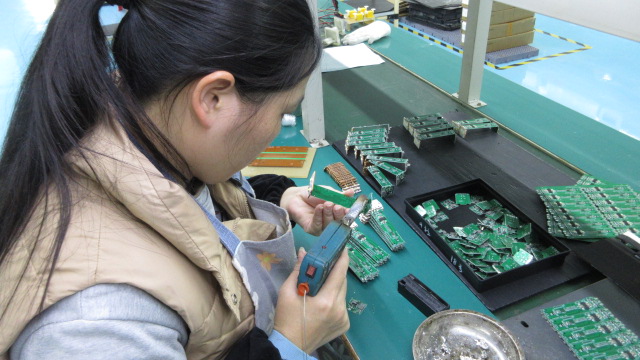 Manual Soldering
 Function Check
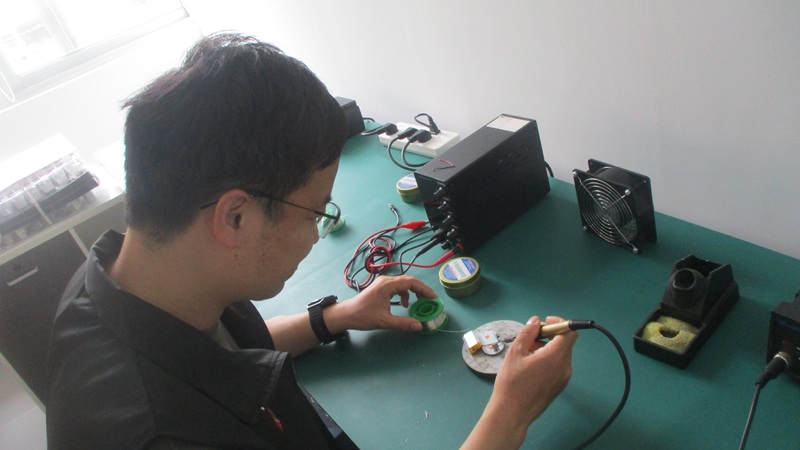 PCB Welding
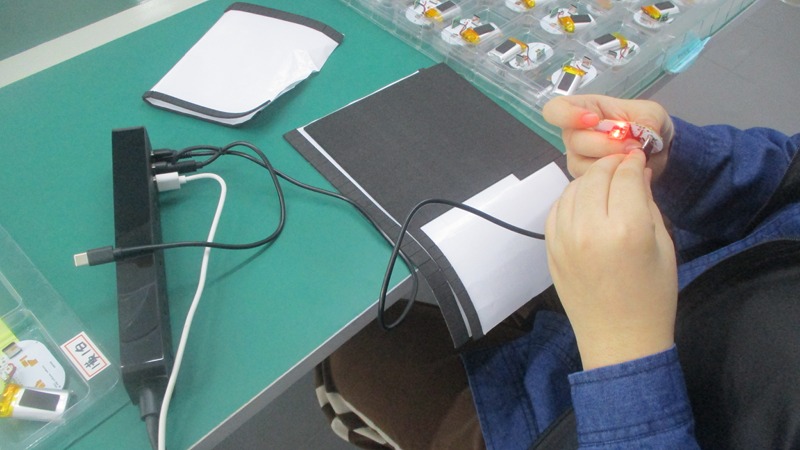 Function Check
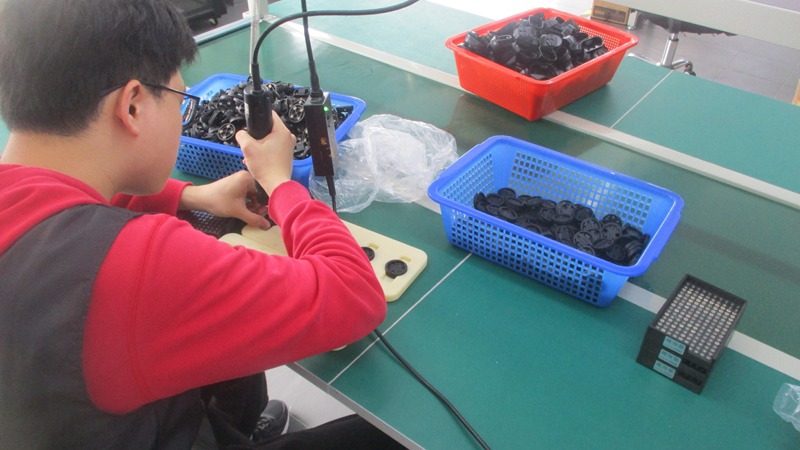 Mounting Screw
How advanced SMT capabilities ensure high-volume quality and global component traceability.
By leveraging automated Surface Mount Technology (SMT), we produce high-durability sensor circuits with extremely low placement error. This micro-precision ensures electronic wear indicators interface cleanly with modern ECU architectures.
Every sensor circuit board undergoes rigorous Automated Optical Inspection (AOI) alongside comprehensive electrical tests. This dual-verification protocol prevents circuit faults, drift, or signal failure during demanding service intervals.
Situated in Qingdao, China, we possess deep structural access to a world-class deepwater port. This logistic positioning reduces shipping transit times, ensures flat-rate container consolidation, and buffers global buyers against raw material volatility.
The shift from basic electrical loops to predictive, multi-stage, and smart vehicle integration.
Traditional wear sensors rely on single-stage wire loops that break when contacting the disc. The next generation implements multi-stage resistor ladders to measure wear progressively at 50%, 25%, and 0% intervals, aiding preventative fleet planning.
Future sensor iterations integrate micro-silicon chips that communicate over vehicle LIN/CAN bus networks. These active sensors report actual temperatures, wear rates, and thermal spikes in real time to optimize ADAS autonomous deceleration controls.
With electric vehicle regenerative braking handling minor deceleration, hydraulic brake friction cycles change dynamically. Next-generation sensors detect environmental moisture and rust film buildup to cycle brakes automatically and keep rotors clean.
Ensuring local aftermarket compliance and OEM alignment across international trade boundaries.
Ensures standard-aligned development practices, rigorous corrective actions, and continual process improvements across all casting, SMT, and assembly areas.
Sensor tolerances and brake pads are verified to behave within +/- 15% performance limits of original equipment (OE) components, enabling unrestricted sale in European jurisdictions.
All soldering materials used in our SMT department are lead-free. Plastic housings and wire compounds contain zero hazardous substances to ensure full compliance with global environmental mandates.
Sensors are routinely tested in high-salinity chambers for over 240 hours to guarantee that environmental corrosives do not compromise electrical resistance values or insulation materials.
Expert answers to the most common queries from automotive component buyers and engineering partners.
Mechanical wear indicators consist of a simple metal clip that touches the brake rotor and emits a squealing noise once the lining is thin. Electronic wear indicators use an encapsulated sensor loop embedded in the brake pad. When the pad wears down to the threshold, the loop breaks or touches the rotor to complete a circuit, lighting up a warning on the vehicle dashboard.
If the warning light has been triggered, the sensor circuit is broken and the sensor must be replaced. Even if the light has not triggered, heat stress, environmental exposure, and physical removal often cause micro-fractures in the plastic or wiring. We recommend installing a new sensor with every pad change to prevent potential system faults.
All our sensor configurations are reverse-engineered directly from OEM specifications. Cable lengths, pin configurations, connector types, and resistance thresholds are matched to the millimeter to ensure trouble-free plug-and-play installation into factory wire harnesses.
We utilize high-performance polymers such as Polyphenylene Sulfide (PPS) and Polyether Ether Ketone (PEEK) for the sensor heads. Wiring utilizes Teflon/fluoropolymer insulation designed to withstand continuous operating temperatures up to 260°C and peak temperatures exceeding 500°C.
Yes. Through our integrated design department and complete SMT/assembly setup, we can customize wire lengths, sensor mounting angles, resistance levels, and high-temp sleeving options. Contact our technical team for custom OEM/ODM development paths.
Complementary high-durability brake components engineered for global vehicle fleets.