Nittanya Auto
Nittanya Auto
Nittanya Auto
Precision-engineered brake discs, rotors, and drums built to handle the unique weight distribution and thermal requirements of modern electric brake systems.

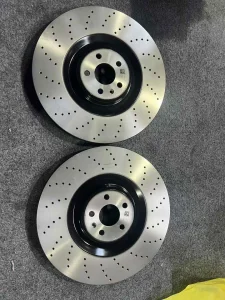
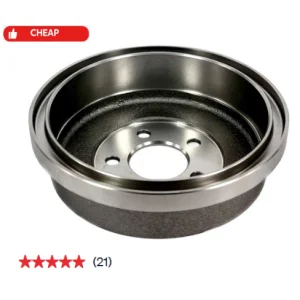
The global automotive safety landscape is experiencing a paradigm shift. As transportation trends lean towards Electrification, Automation, and Shared Mobility, traditional hydraulic assemblies are yielding ground to high-efficiency Electric Brake Systems (EBS), including Electro-Hydraulic Braking (EHB) and dry Electro-Mechanical Braking (EMB).
Electric vehicles weigh 20% to 30% more than traditional internal combustion vehicles due to dense battery packs. This requires friction braking elements—such as rotors and calipers—to withstand higher thermal loads and torque variations while minimizing rotational weight.
Modern electric brakes must blend friction braking seamlessly with regenerative motor deceleration. The mechanical components must resist surface rust and scale build-up, a common issue when regenerative systems handle most daily deceleration tasks.
By shifting from mechanical links to "Brake-by-Wire," systems decouple the pedal feel from actual caliper pressure. This allows customizable pedal responses, faster response times (under 100ms), and enhanced integration with autonomous driver-assist suites.
From traditional hydraulic vacuum boosters to pure electronic dry braking, the industry roadmap points toward safety, responsiveness, and zero emissions.
Replacing vacuum boosters with electronic actuators while maintaining a hydraulic backup. Widely integrated into modern hybrid and electric passenger vehicles for regenerative energy capture.
The "Dry Brake-by-Wire" era. Hydraulic oil is completely eliminated. Calipers are driven directly by electric motors, offering high precision, reduced maintenance, and environmental safety.
Real-time thermodynamic and wear telemetry. Brake discs utilize advanced coatings (like Geomet and High-Carbon alloys) to withstand rapid heating/cooling cycles without deformation.
Electric brake systems are engineered differently across vehicle segments and regions. A heavy-duty truck axle in North America demands different thermal profiles than an urban EV commuter in Europe.
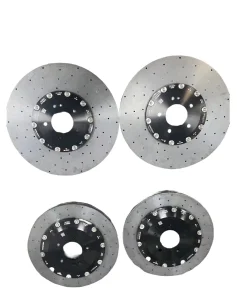
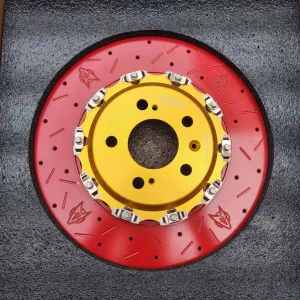
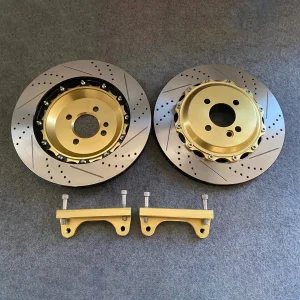
Emphasizes structural noise reduction (NVH), lightweighting via floating brake disc designs, and anti-corrosion surface treatments (like Geomet coated rotors) to counter the lack of frequent friction usage.
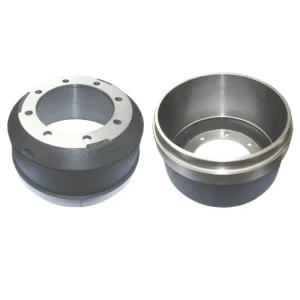
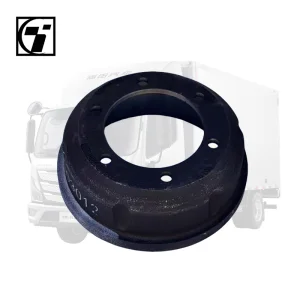
Demands high thermal mass rear drum brake assemblies or heavy-duty ventilated rotors. Solutions must handle high payloads over long grades while integrating with electric drivelines.
Integrates dual-redundant electronic actuators to ensure system reliability even during power rail failures. Rotors and calipers are optimized for high-utilization operating schedules.
Qingdao Nittanya Auto Co., Ltd. is a professional manufacturer and exporter specializing in automotive braking system components, including brake discs, brake drums, brake hubs, and related auto parts. Located in Qingdao, China, one of the country's most important international port cities, the company enjoys convenient transportation and excellent logistics advantages for global shipments.
Since its establishment, Nittanya Auto has been committed to providing high-quality automotive parts to customers worldwide. With years of industry experience and continuous technological innovation, the company has developed into a reliable supplier serving customers across Europe, North America, South America, Africa, the Middle East, and Asia.
Our production facilities are equipped with advanced casting, machining, balancing, and testing equipment, ensuring stable production capacity and strict quality control throughout every manufacturing process. The annual production capacity exceeds one million pieces, enabling us to meet the diverse demands of both OEM and aftermarket customers.
Nittanya Auto possesses a strong technical team consisting of experienced engineers and skilled professionals dedicated to product development, quality improvement, and technical support. Our extensive product range covers more than 1,000 models suitable for European, American, Japanese, Korean, and other international vehicle applications.
Quality is at the core of our business. We implement rigorous inspection procedures and continuously improve our manufacturing processes to ensure that every product meets international quality standards and customer expectations. In addition, we offer flexible OEM and ODM services, helping customers develop customized solutions for their specific market requirements.
Guided by the principles of excellent quality, competitive pricing, timely delivery, and professional service, Qingdao Nittanya Auto Co., Ltd. strives to build long-term and mutually beneficial partnerships with customers around the world. We sincerely welcome friends and business partners from both domestic and overseas markets to visit our company, discuss cooperation opportunities, and create a successful future together.
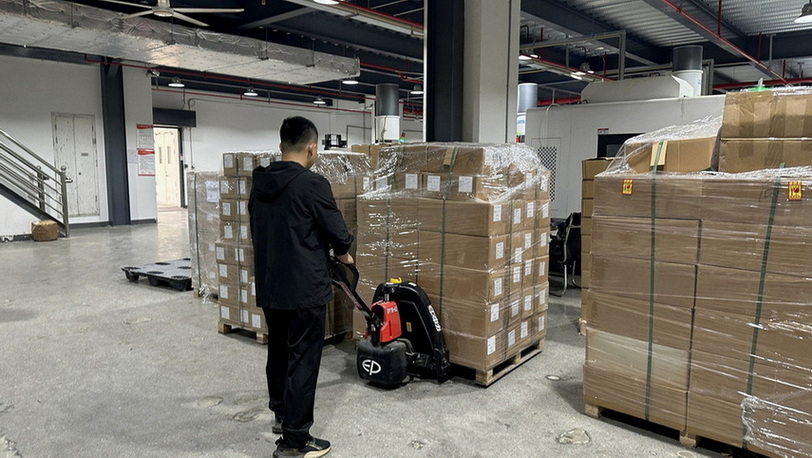
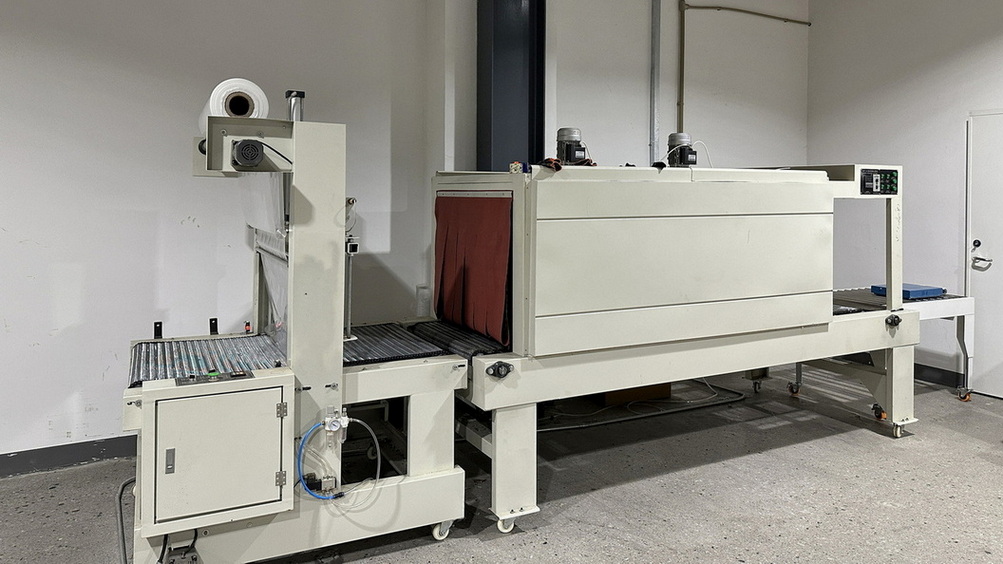
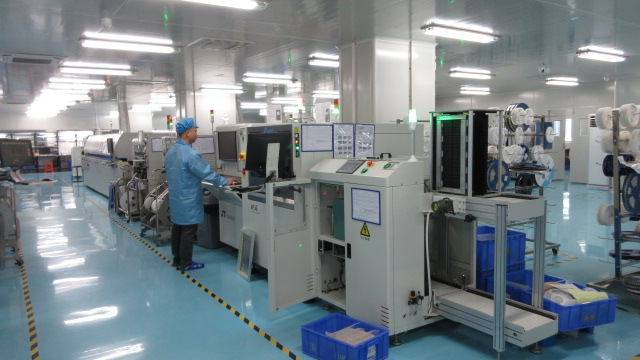
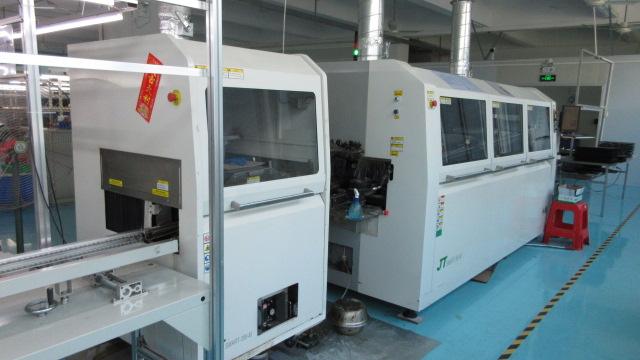
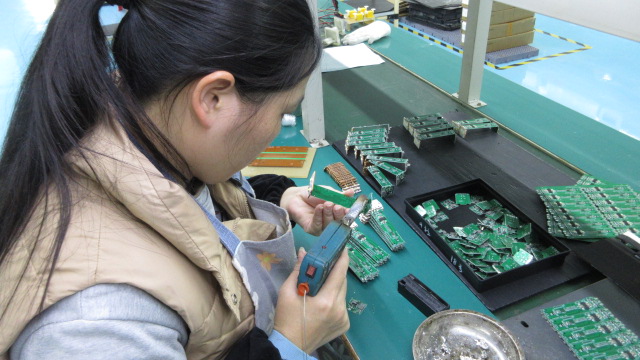
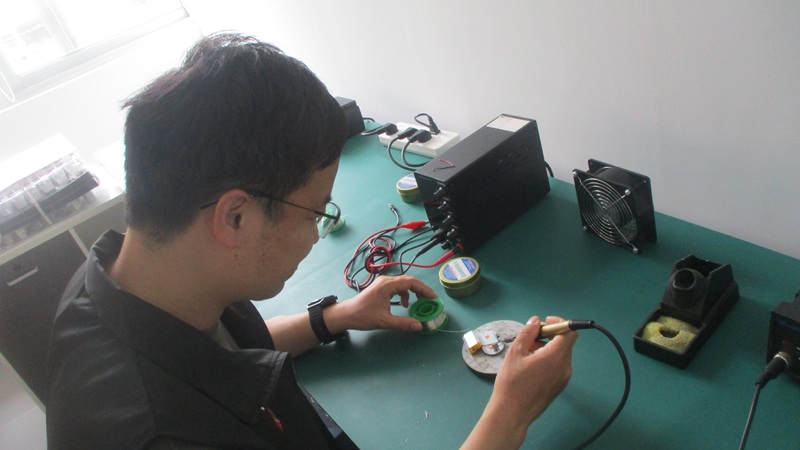
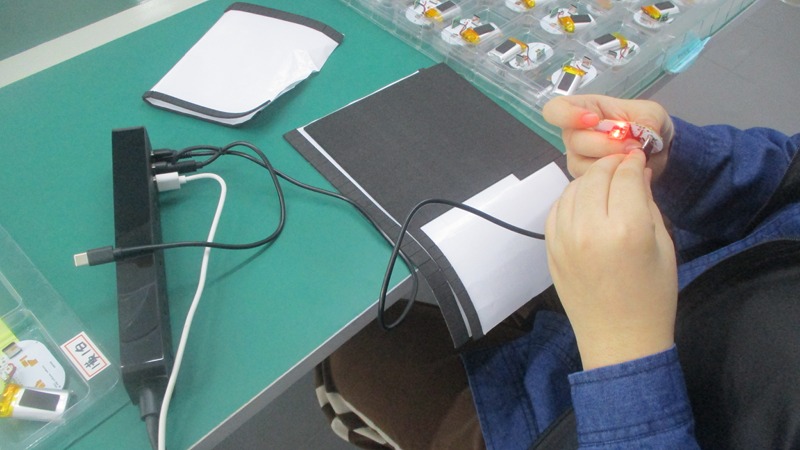
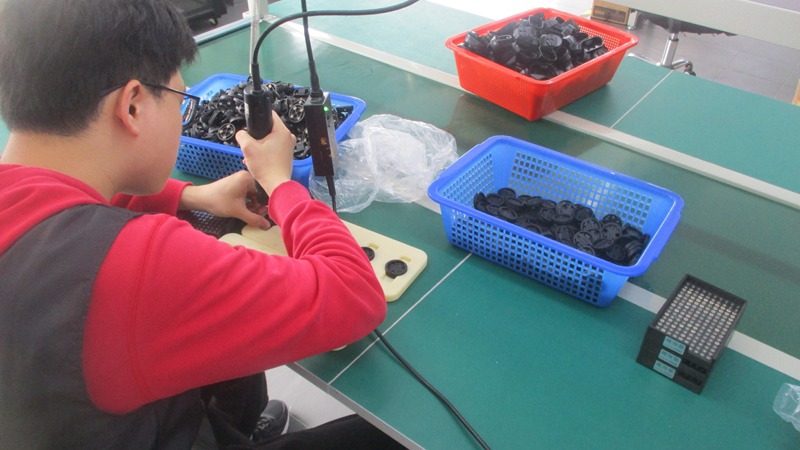
Take a closer look at our end-to-end manufacturing workflow, featuring precision CNC machining, automated packaging lines, SMT assembly, and rigorous functional testing to ensure every brake component matches OEM performance.
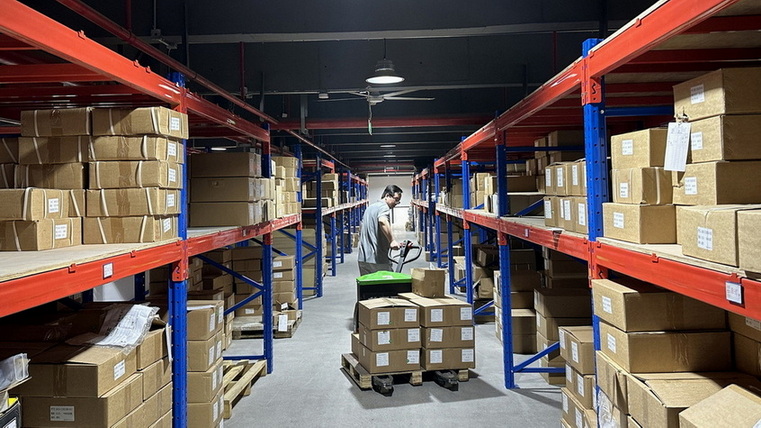
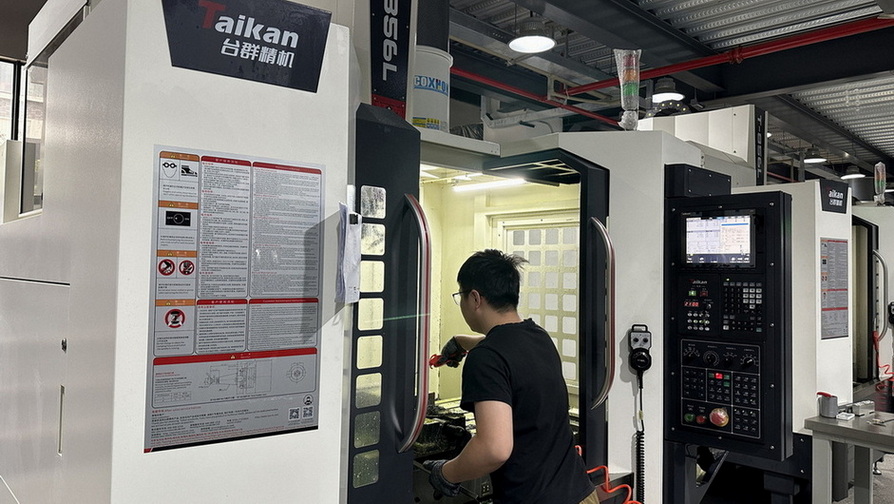





Get professional, engineering-focused answers regarding the technology, maintenance, and specification of modern brake assemblies for electric and commercial vehicles.
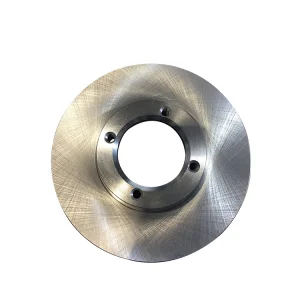
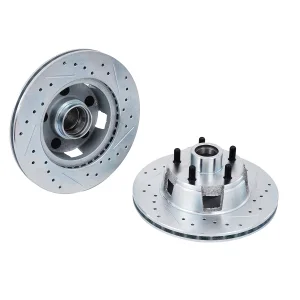
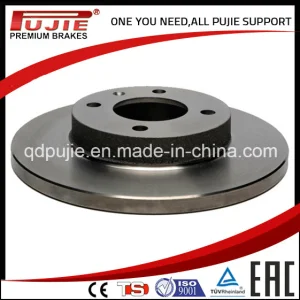
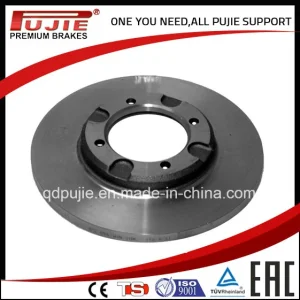
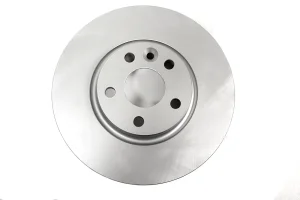
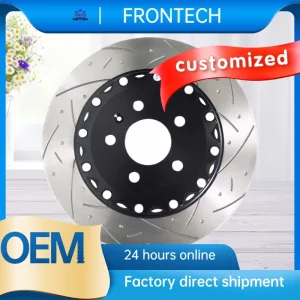
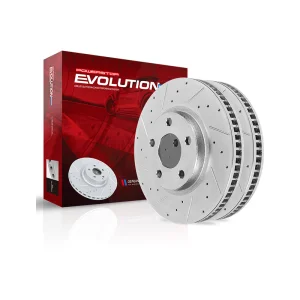
Explore our heavy-duty brake drums, replacement rotors, and long-life coated components designed for leading automotive platforms and commercial heavy-duty trucks.