Nittanya Auto
Nittanya Auto
Nittanya Auto
Engineered to integrate seamlessly with standard Anti-Lock Braking Systems (ABS) for maximum mechanical responsiveness and thermal stability.
Analysis of technological transformation, electronic integration, and structural safety requirements in modern automotive supply chains.
The global automotive safety landscape is experiencing a massive paradigm shift. Anti-Lock Brake Systems (ABS), once considered premium safety features, are now globally mandated baselines for passenger, commercial, and off-road vehicles. As vehicles transition to high-voltage electric platforms (EVs) and adopt Advanced Driver Assistance Systems (ADAS), the interaction between wheel-speed sensors, electronic control units (ECUs), hydraulic actuators, and mechanical braking components has become tighter than ever.
Modern ABS setups require friction components that can withstand instant, high-frequency torque applications. During an ABS intervention, the braking pressure modulates dozens of times per second. This high-frequency mechanical stress puts unprecedented pressure on brake discs, drums, and caliper housings. Friction metallurgy must exhibit exceptional thermal fatigue resistance to prevent structural failure or micro-cracking during panic-stop situations.
Globally, automotive procurement teams are shifting focus from simple cost-cutting to sourcing components that satisfy comprehensive testing standards: FMVSS 135 (USA), ECE R90 (Europe), and GB 21861 (China). Ensuring high structural integrity under extreme heat cycling is key to ensuring that electronic ABS sensors can read wheel deceleration data accurately without distortion caused by thermal warping.
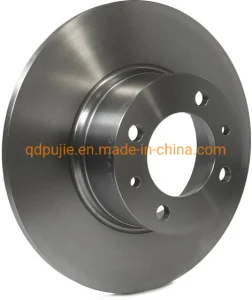
During ABS execution, the micro-slips between tire and road surface are managed by hydraulic modulation. If the brake disc has uneven thickness variation (DTV) or thermal distortion, the ABS sensor readings become noisy. High-carbon cast iron rotors solve this by offering high damping capacity, reducing brake squeal and ensuring consistent friction coefficients under high temperatures.
How domestic industry clusters and precision engineering provide unbeatable cost-to-performance ratios for global buyers.
China's automotive clusters integrate raw material foundry, high-precision CNC machining, dynamic balancing, and anti-rust coating applications under unified production zones. This spatial density minimizes transport emissions, logistics delay, and internal operational overhead.
Advanced foundries employ sophisticated alloying techniques, integrating molybdenum, copper, and chrome into cast iron matrixes. This ensures excellent thermal conductivity, preventing hot spot formation during emergency ABS braking events.
Utilizing high-end SMT lines, Automated Optical Inspection (AOI), and precise dynamic balance balancing machinery ensures every product satisfies micro-tolerance specifications, protecting vehicle integrity and reducing warranty claims.
A premier manufacturing hub for automotive braking system components, engineering excellence from China to the globe.
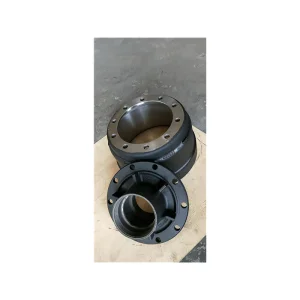
Qingdao Nittanya Auto Co., Ltd. is a professional manufacturer and exporter specializing in automotive braking system components, including brake discs, brake drums, brake hubs, and related auto parts. Located in Qingdao, China, one of the country's most important international port cities, the company enjoys convenient transportation and excellent logistics advantages for global shipments.
Since its establishment, Nittanya Auto has been committed to providing high-quality automotive parts to customers worldwide. With years of industry experience and continuous technological innovation, the company has developed into a reliable supplier serving customers across Europe, North America, South America, Africa, the Middle East, and Asia.
Our production facilities are equipped with advanced casting, machining, balancing, and testing equipment, ensuring stable production capacity and strict quality control throughout every manufacturing process. The annual production capacity exceeds one million pieces, enabling us to meet the diverse demands of both OEM and aftermarket customers.
Nittanya Auto possesses a strong technical team consisting of experienced engineers and skilled professionals dedicated to product development, quality improvement, and technical support. Our extensive product range covers more than 1,000 models suitable for European, American, Japanese, Korean, and other international vehicle applications.
Quality is at the core of our business. We implement rigorous inspection procedures and continuously improve our manufacturing processes to ensure that every product meets international quality standards and customer expectations. In addition, we offer flexible OEM and ODM services, helping customers develop customized solutions for their specific market requirements.
Guided by the principles of excellent quality, competitive pricing, timely delivery, and professional service, Qingdao Nittanya Auto Co., Ltd. strives to build long-term and mutually beneficial partnerships with customers around the world. We sincerely welcome friends and business partners from both domestic and overseas markets to visit our company, discuss cooperation opportunities, and create a successful future together.
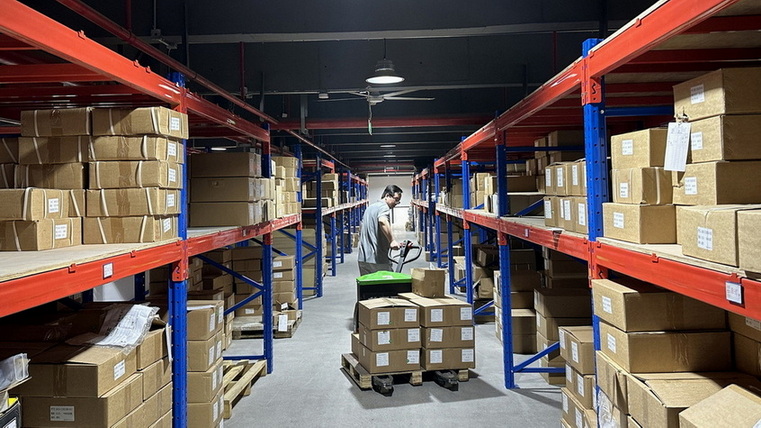 Raw material
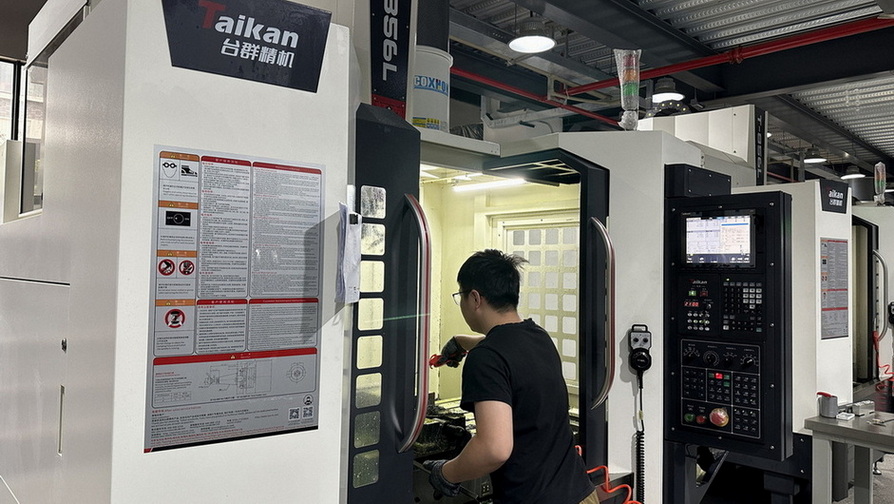 CNC machining
 Automatic packaging
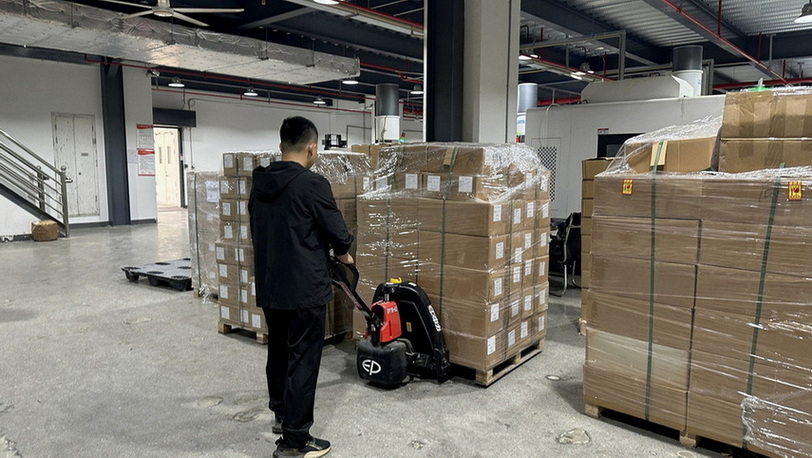 Finished Product
 CNC machining equipment
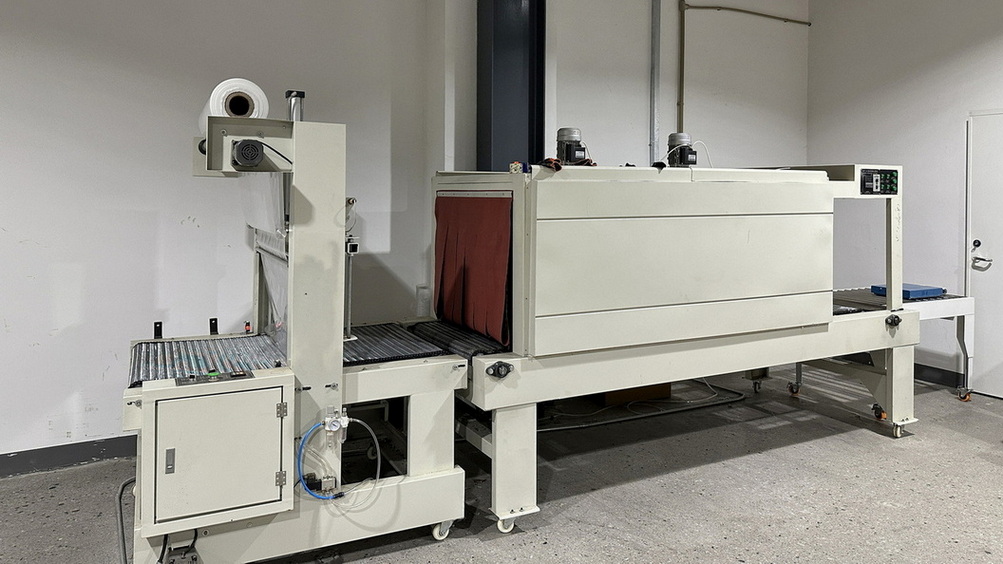 Automatic packaging equipment
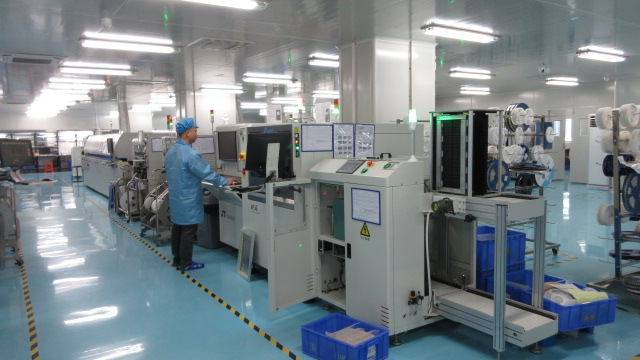 SMT Line
 AOI Testing
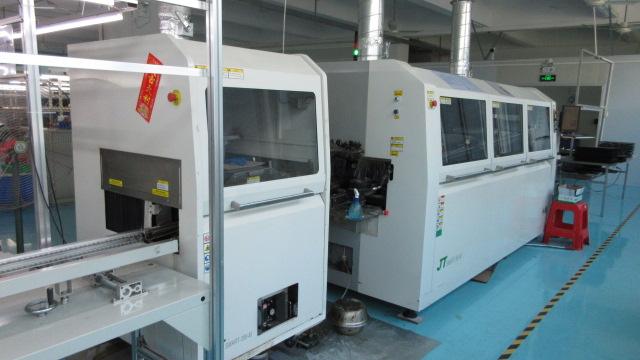 Insert Device
 Wave Soldering
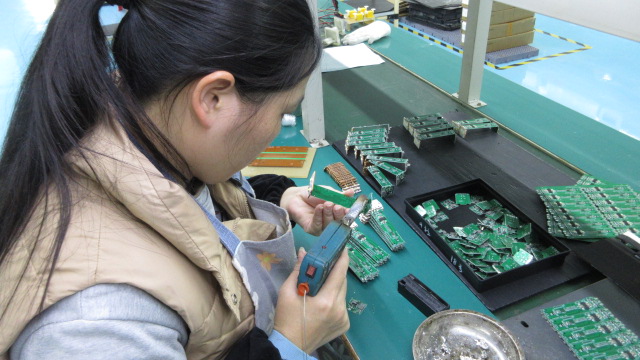 Manual Soldering
 Function Check 1
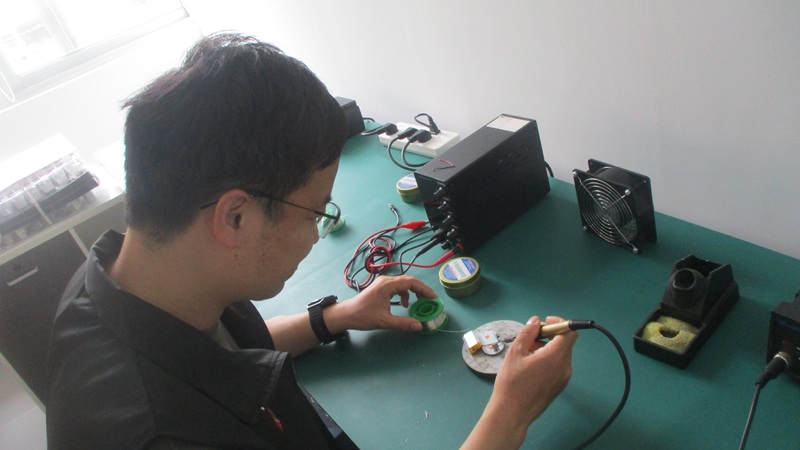 PCB Welding
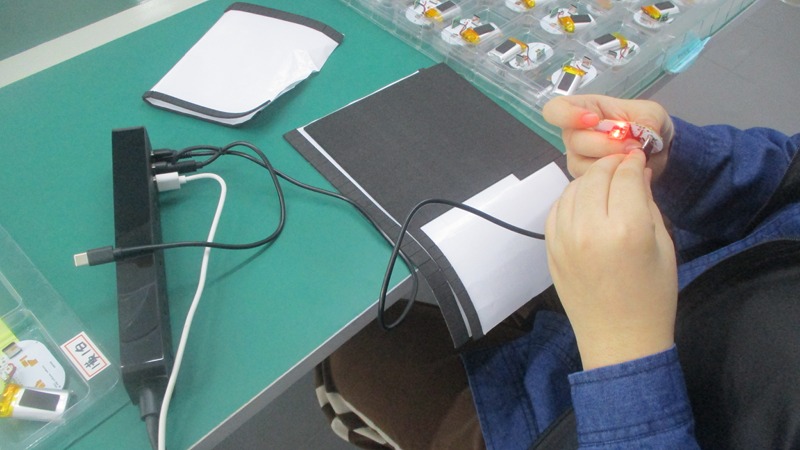 Function Check 2
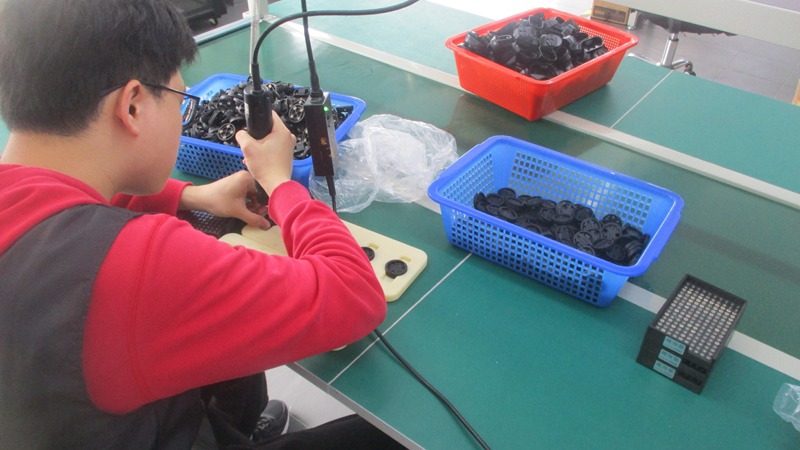 Mounting Screw Assembly
Tailored braking solutions optimized for regional climates, regulatory policies, and mechanical operating environments.
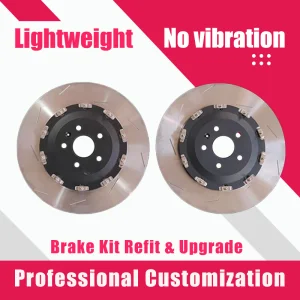
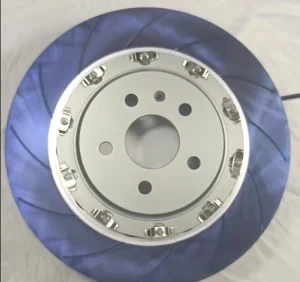
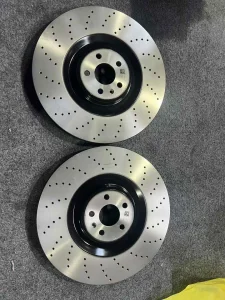
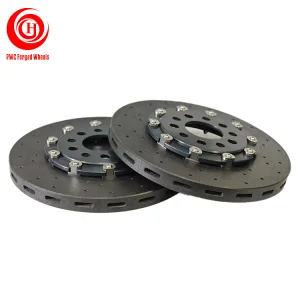
In regions like Germany and Northern Europe, sustained high speeds require brake rotors that can shed heat rapidly. Floating brake discs and carbon-ceramic compositions prevent thermal expansion from distorting the rotor face, which can cause catastrophic high-speed steering wheel vibrations.
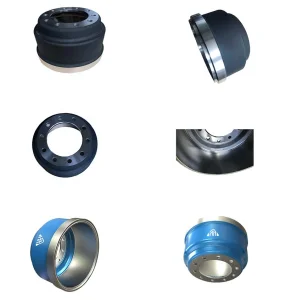
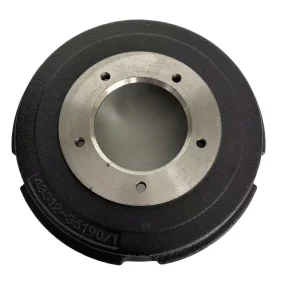
Heavy duty freight trailers traversing standard state highways demand heavy rear brake drums and high-carbon matrices that minimize friction fade during descent. The mechanical stress profile of high-tonnage hauling calls for components that exceed typical OEM yield limits.
In regions prone to monsoons and high salinity, standard steel components corrode quickly, causing ABS sensor wheels to misread signals due to rust buildup. For these applications, anti-rust coatings (such as Geomet or Dacromet) are applied to preserve operational lifespans and ensure accurate wheel speed data collection.
Key evolutionary pathways in automotive friction material design and intelligent brake systems.
Electronic brake actuators are replacing hydraulic systems. Frictional components must respond instantly to signal inputs, requiring incredibly flat, micro-finished rotor profiles to minimize initial pad contact lag.
With impending Euro 7 standards, brake dust emissions are strictly regulated. Dynamic hard-coating processes (like Laser Cladding/HVOF) apply protective ceramic layers, reducing wear dust by up to 90%.
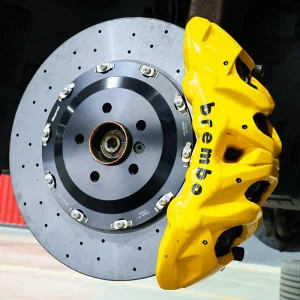
Previously reserved for supercars, carbon-ceramic matrices are increasingly specified in heavy, high-performance EVs to offset battery pack weight and prevent brake fade under rapid deceleration cycles.
Technical clarifications and buying advice regarding ABS friction components and manufacturing processes.
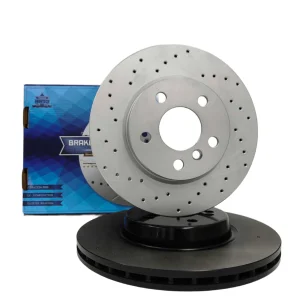
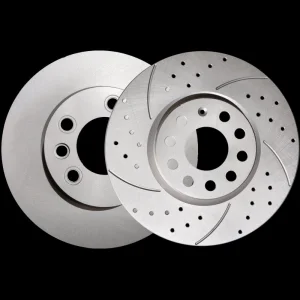
Explore our specialized range of high-carbon, ceramic, and OEM replacement brake discs and drums.