Nittanya Auto
Nittanya Auto
Nittanya Auto
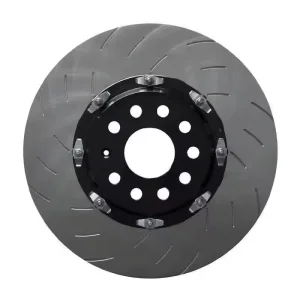
Optimized friction and rotor assemblies paired with high-performance hydraulic systems
An In-Depth Engineering Overview of Safety, Formulations, and OEM Requirements
In modern automotive safety engineering, the hydraulic braking system is only as reliable as its transmitting fluid. As a leading player in the manufacturing and export of brake components and matching fluid technology, Qingdao Nittanya Auto Co., Ltd. bridges the gap between hardware precision and chemical fluid integrity. While brake rotors, drums, and pads handle friction and heat dissipation, the brake fluid is the lifeblood that instantly transfers pressure from the driver's foot to the wheels under extreme thermal stress.
This whitepaper details the engineering dynamics behind brake fluid formulations, global quality certifications (DOT 3, DOT 4, DOT 5.1), and why partnering with a premier Chinese manufacturer with integrated supply chain and logistical advantages in Qingdao ensures market competitiveness and regulatory compliance for global buyers.
Meeting FMVSS 116, ISO 4925, and SAE International Specifications
| Fluid Classification | Base Chemistry | Min. Dry Boiling Point | Min. Wet Boiling Point | Kinematic Viscosity at -40°C | Primary Target Applications |
|---|---|---|---|---|---|
| DOT 3 | Glycol Ether | ≥ 205°C (401°F) | ≥ 140°C (284°F) | ≤ 1500 mm²/s | Passenger Cars, Daily Commuter Vehicles |
| DOT 4 | Glycol Ether & Borate Ester | ≥ 230°C (446°F) | ≥ 155°C (311°F) | ≤ 1800 mm²/s | Modern Vehicles, Turbocharged Cars, SUVs |
| DOT 4 LV (Low Viscosity) | Borate Ester Blend | ≥ 250°C (482°F) | ≥ 165°C (329°F) | ≤ 750 mm²/s | EVs, Hybrids, Advanced ABS/ESP/ESC Systems |
| DOT 5.1 | Glycol Ether / Borate Ester | ≥ 260°C (500°F) | ≥ 180°C (356°F) | ≤ 900 mm²/s | High-Performance Vehicles, Heavy Towing, Fleet Operators |
Brake fluids (except silicone-based DOT 5) are hygroscopic, meaning they actively absorb moisture from the atmosphere. As water content increases, the boiling point of the fluid drops significantly. When the fluid reaches its boiling point during heavy braking, vapor pockets form in the hydraulic lines. Because vapor is compressible, this causes a "spongy pedal" feel and can lead to a catastrophic loss of braking efficiency. Consistently utilizing high-purity raw materials and borate ester additives increases wet boiling thresholds, ensuring absolute system reliability.
Why global automotive buyers leverage Chinese chemical and manufacturing hubs
China hosts the world's most comprehensive chemical manufacturing parks. This provides domestic brake fluid manufacturers with steady, high-volume access to premium synthetic glycol ethers, borate esters, and robust rust inhibitors at highly competitive baseline costs.
Utilizing high-precision automated filling systems under nitrogen blanketing protects brake fluids from ambient humidity during packaging. Integrated manufacturing lines ensure strict compliance with international ASTM D1120 boiling point standards.
Strategically situated in Qingdao, Nittanya Auto benefits from immediate port access. This drastically reduces domestic inland transport costs, minimizes shipping transit times, and streamlines customs clearing processes for prompt global delivery.
How electrification and regenerative braking change chemical requirements
The rise of Hybrid and Battery Electric Vehicles (BEVs) has fundamentally shifted hydraulic braking demands. In EVs, regenerative braking does most of the everyday deceleration, meaning the mechanical brakes are engaged less frequently but must react with absolute speed and reliability during emergency stops.
This dynamic introduces two main challenges:
Mitigating importation risks, tariffs, and localized automotive standards
Purchasing automotive fluids internationally demands rigorous attention to regulatory compliance. Global importers must ensure products comply with country-specific environmental and safety frameworks:
European importers must verify that glycol ether derivatives used in formulations comply with EU REACH regulations. Registration, Evaluation, Authorization, and Restriction of Chemicals (REACH) certificates ensure that no harmful plasticizers or banned chemical agents are imported into the European Economic Area.
For the USA and Canada, the Federal Motor Vehicle Safety Standard FMVSS No. 116 is the law. Importation of non-compliant fluids can result in strict custom seizures and massive legal liability. Choosing a manufacturer with certified ISO/IEC 17025 testing laboratories ensures that every batch matches the exact parameter thresholds declared to the US Department of Transportation (DOT).
Different markets prefer specific packaging styles—from small 250ml bottles for retail markets to 1L bottles for service centers, and even large 200L drums for heavy industries. Custom branding, localized languages, hazard warning symbols (GHS), and barcode integrations are fully managed at the manufacturing plant, allowing a seamless transition from port to distributor shelves.
Advanced Engineering, Global Reach, and Complete System Solutions
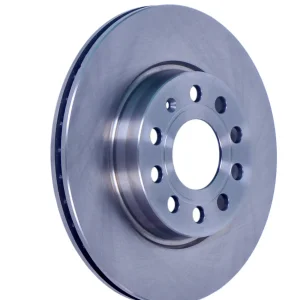
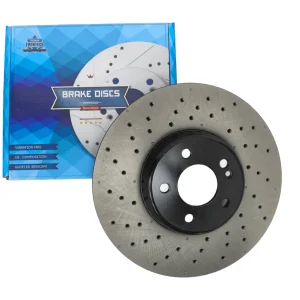
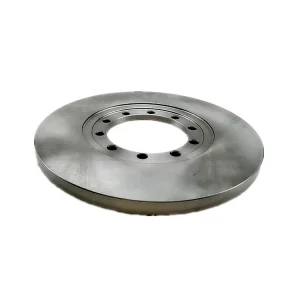
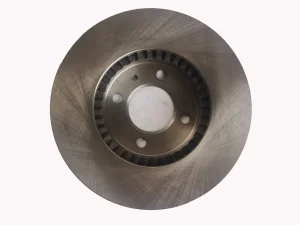
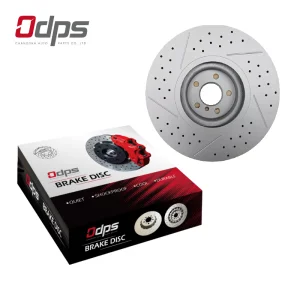
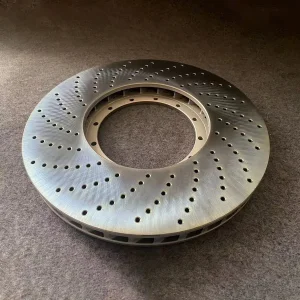
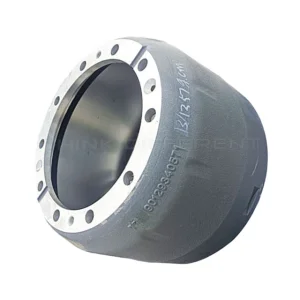
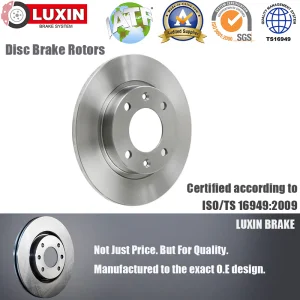
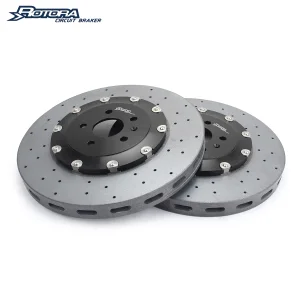
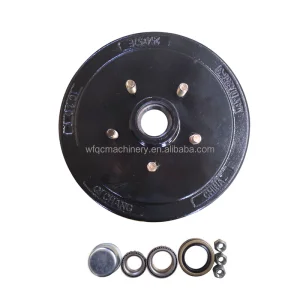
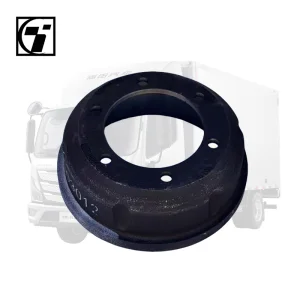
Qingdao Nittanya Auto Co., Ltd. is a professional manufacturer and exporter specializing in automotive braking system components, including brake discs, brake drums, brake hubs, and related auto parts. Located in Qingdao, China, one of the country's most important international port cities, the company enjoys convenient transportation and excellent logistics advantages for global shipments.
Since its establishment, Nittanya Auto has been committed to providing high-quality automotive parts to customers worldwide. With years of industry experience and continuous technological innovation, the company has developed into a reliable supplier serving customers across Europe, North America, South America, Africa, the Middle East, and Asia.
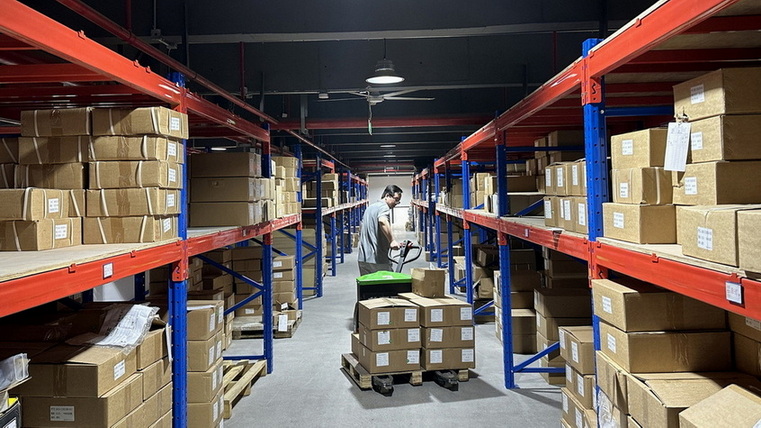
Our production facilities are equipped with advanced casting, machining, balancing, and testing equipment, ensuring stable production capacity and strict quality control throughout every manufacturing process. The annual production capacity exceeds one million pieces, enabling us to meet the diverse demands of both OEM and aftermarket customers. In parallel with mechanical hardware, Nittanya Auto works in alignment with chemical standard developers to offer comprehensive braking solutions.
Nittanya Auto possesses a strong technical team consisting of experienced engineers and skilled professionals dedicated to product development, quality improvement, and technical support. Our extensive product range covers more than 1,000 models suitable for European, American, Japanese, Korean, and other international vehicle applications.
 Raw material
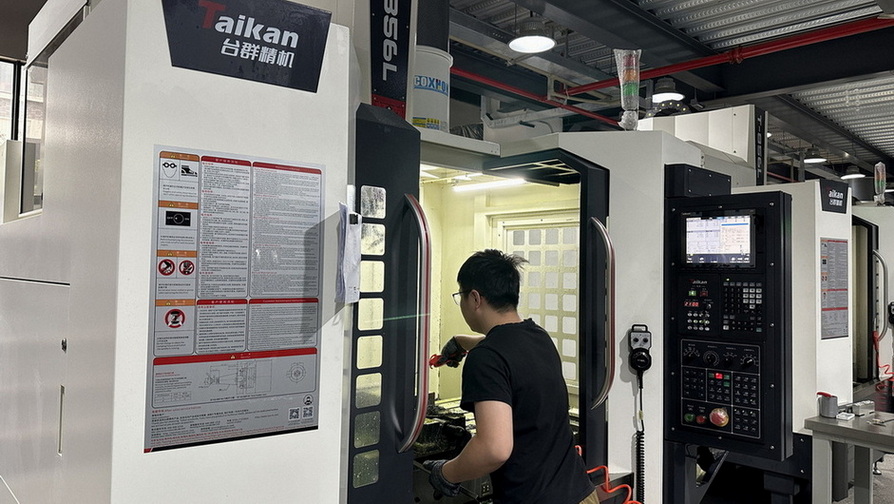 CNC machining
 Automatic packaging
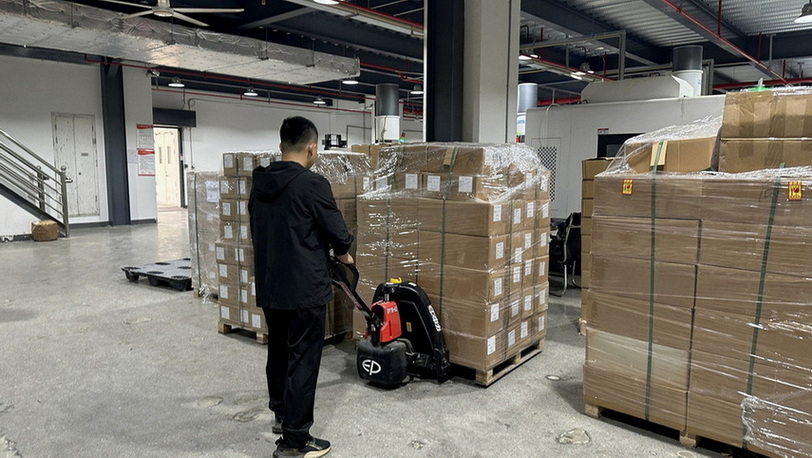 Finished Product
 CNC machining equipment
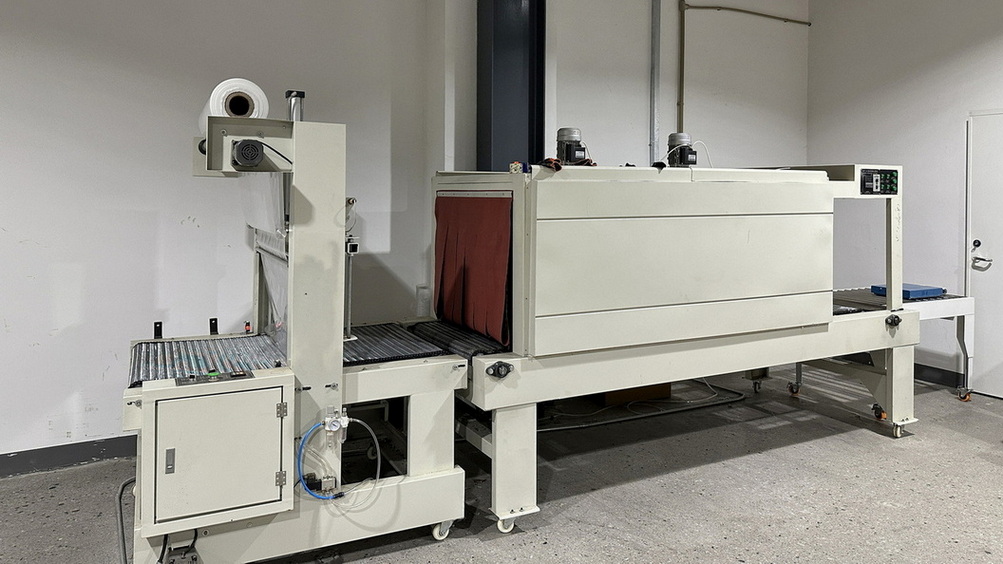 Automatic packaging equipment
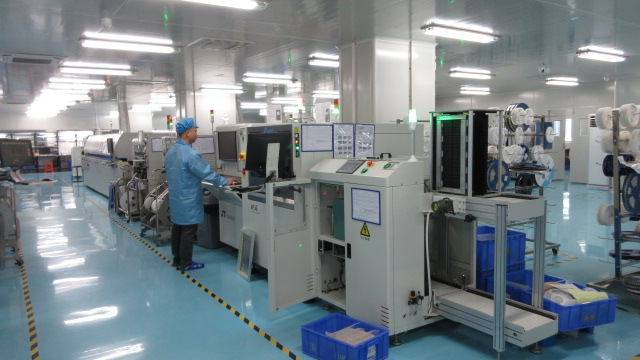 SMT
SMT
 AOI
AOI
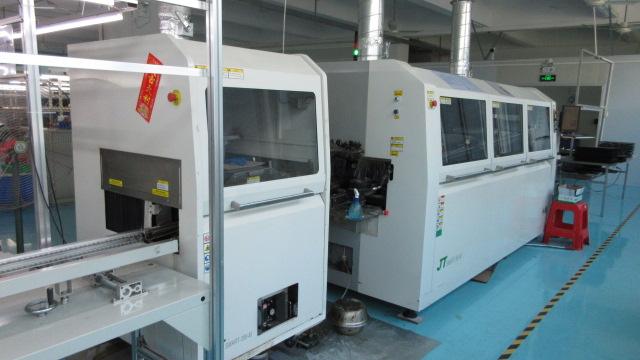 Insert Device
 Wave Soldering
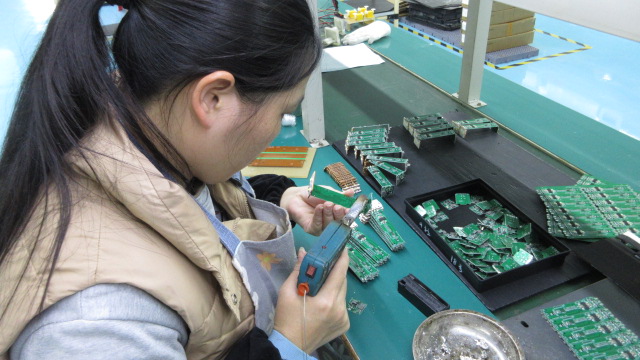 Manual Soldering
 Function Check
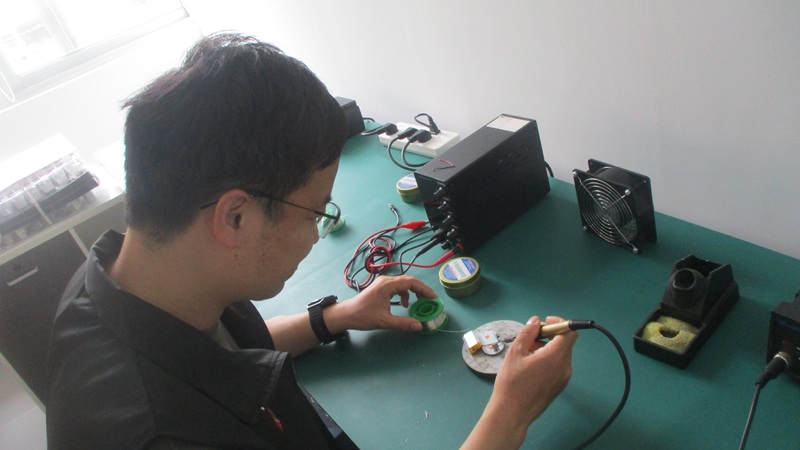 PCB Welding
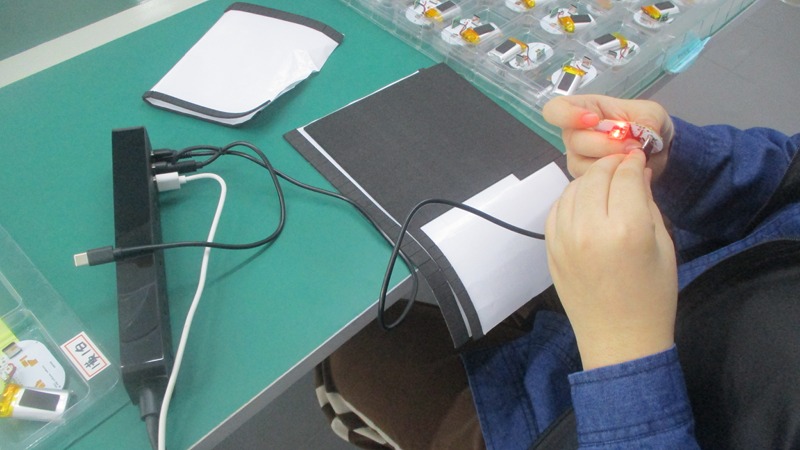 Function Check
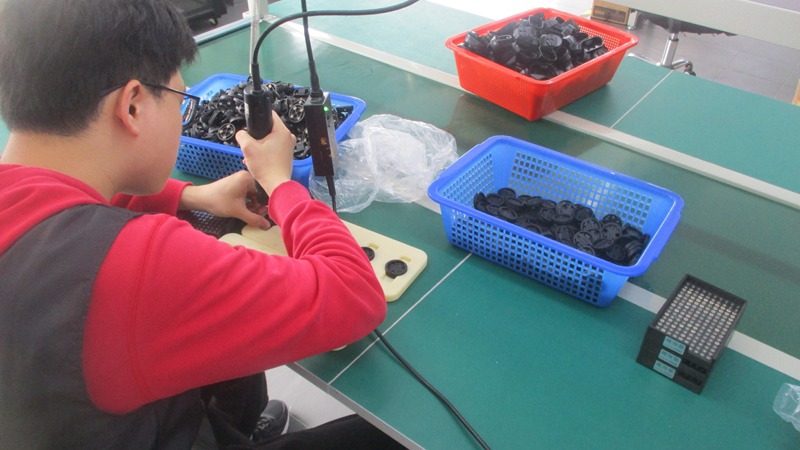 Mounting Screw
Solving Technical, Logistics, and Application-Specific Braking Chemistry Queries
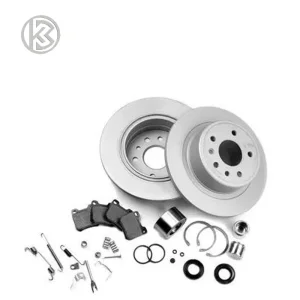
High-end replacement assemblies for passenger, commercial, and utility vehicles