Nittanya Auto
Nittanya Auto
Nittanya Auto
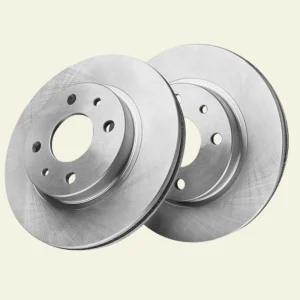
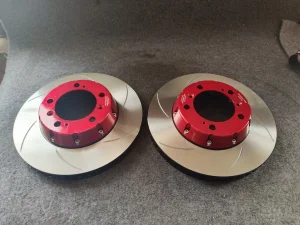
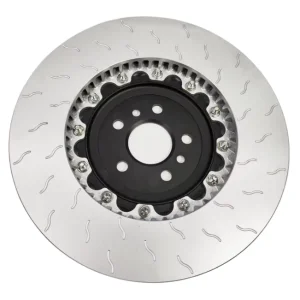
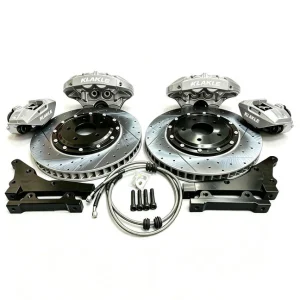
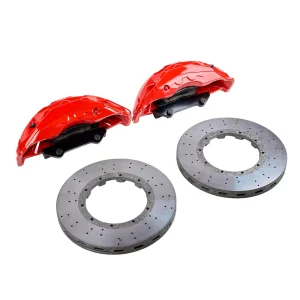
Discover our precision-engineered high-carbon and two-piece floating rotors designed for supreme heat dissipation and unsprung weight reduction.
As the global automotive landscape moves aggressively toward electrification and weight reduction, lightweight brake rotors have transitioned from high-end niche performance upgrades to critical components for standard passenger vehicles and commercial fleets. Reducing unsprung mass is a primary objective for automotive OEMs attempting to optimize electric vehicle (EV) battery ranges and reduce carbon dioxide emissions in internal combustion engine (ICE) vehicles.
By leveraging high-carbon, two-piece floating, and carbon-ceramic materials, lightweight rotors reduce the unsprung mass of the suspension assembly, facilitating sharper handling response, lower rolling resistance, and enhanced fuel and energy efficiency.
Modern commercial brake systems operate under extreme heat gradients. Lightweight multi-material setups (e.g., combining an aerospace-grade aluminum hat with a grey iron outer ring) dissipate heat up to 30% faster than standard solid cast iron discs.
Electric powertrains rely heavily on regenerative braking, meaning friction brakes face long periods of inactivity punctuated by sudden high-energy stops. Anti-rust treatments like Geomet coatings and carbon-ceramic compositions prevent corrosion buildup during idle phases.
Located in the logistics and industrial harbor hub of Qingdao, China, Nittanya Auto is a world-class developer, manufacturer, and exporter of high-grade automotive braking system parts. We run an integrated manufacturing model—from raw material casting to CNC precision finishing and dynamic balance validation.
Our metallurgy unit controls carbon, silicon, and manganese ratios closely to create G3000/GG25 equivalent castings that offer superior tensile strength and thermal cracking resistance.
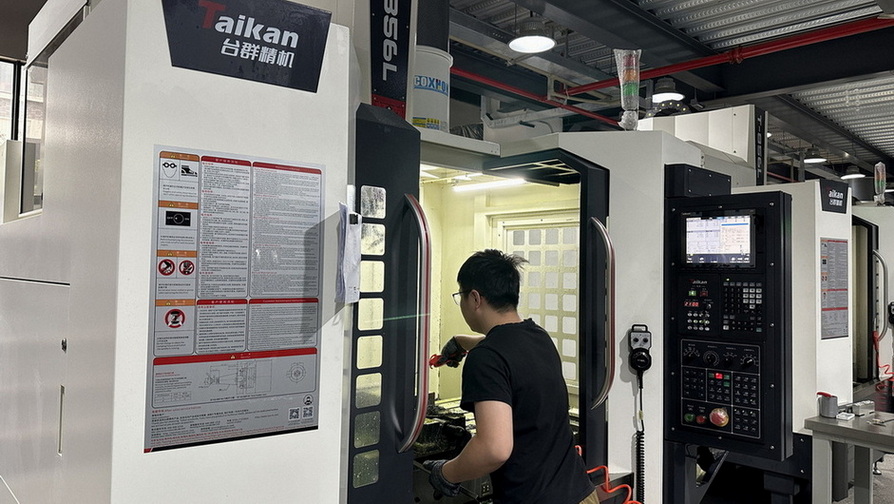
Multi-axis CNC lines carry out precise machining processes on all friction faces, maintaining runout tolerances under 0.03mm and thickness variation (DTV) under 0.01mm.
Equipped with link dyno testing, spectral analysis, and ECE R90 compliance procedures, our facility guarantees that every batch is track-ready and street-legal worldwide.
Achieving superior performance at lower weight profiles requires utilizing advanced material properties and hybrid structures. The diagram below illustrates how we balance weight savings against structural strength.
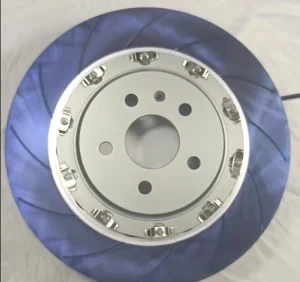
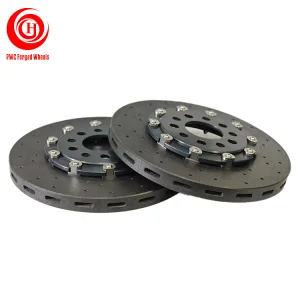
By pairing a heavy-duty grey iron friction disc with an aerospace-grade 6061-T6 aluminum hat held together by stainless steel drive pins, we eliminate up to 25% of the rotor's weight while permitting thermal expansion without warping.
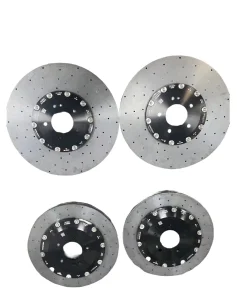
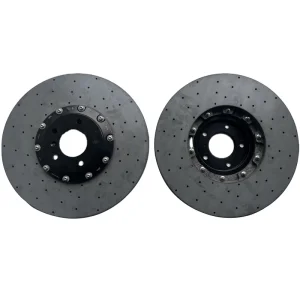
For supercar applications and ultra-high-end tuning setups, carbon ceramic materials represent the pinnacle of modern braking technology. These rotors operate effectively past 800°C without fading.
Our standard lightweight ventilation designs feature specialized internal vane paths constructed with high-carbon grey iron, improving dampening behaviors and reducing NVH (Noise, Vibration, and Harshness).
Operating as an international supplier requires meeting the localized demands of diverse markets. We offer tailored OEM and aftermarket compliance profiles across Europe, North America, and the Asia-Pacific region.
Our European market inventory complies with ECE R90 regulations. This testing ensures that our replacement brake discs perform within ±15% of the original equipment parts under load simulation.
We work closely with North American distributors to provide SAE J2521 dyno performance data and comply with local low-copper friction and component standards.
Our proximity to the Port of Qingdao allows us to offer shorter lead times and optimized ocean freight rates, protecting your supply chain from costly delays.
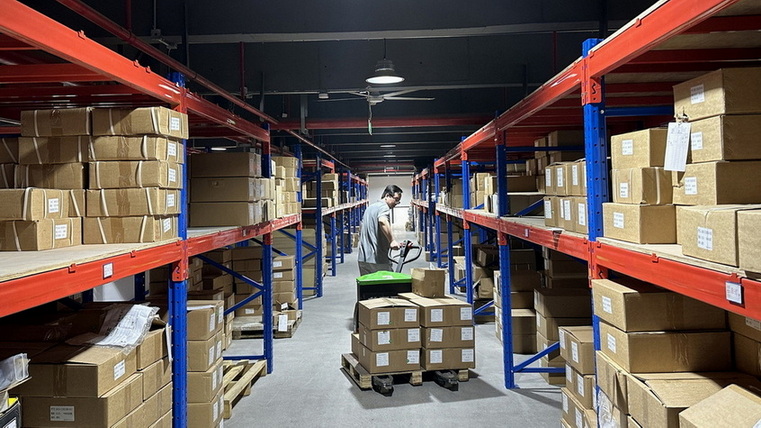
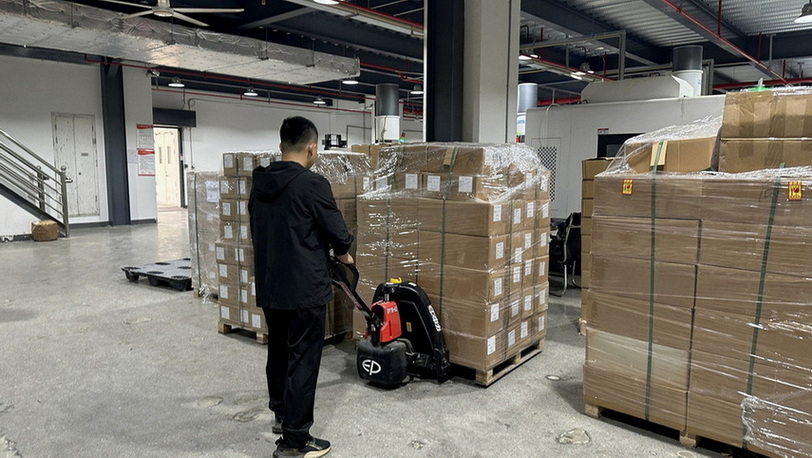
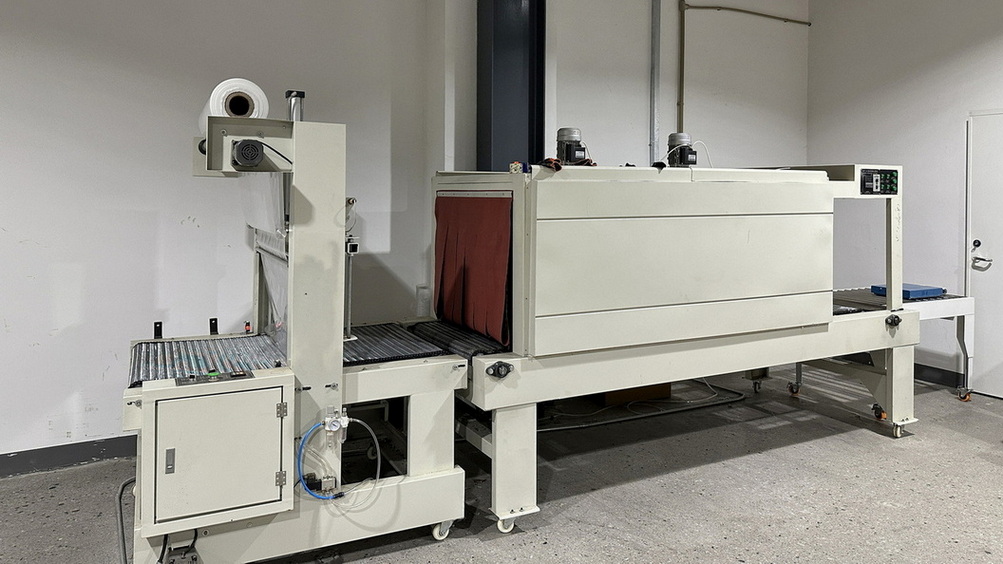
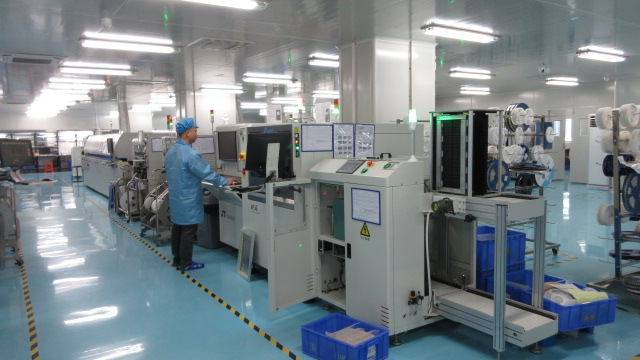
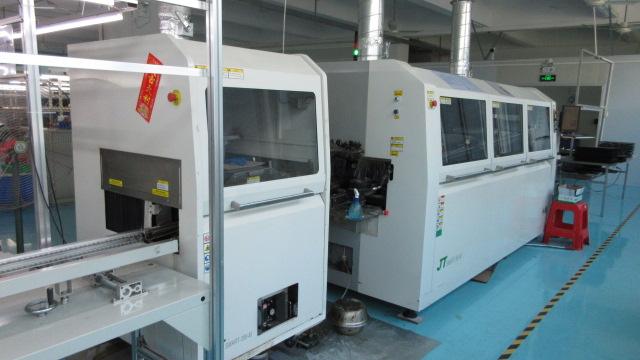
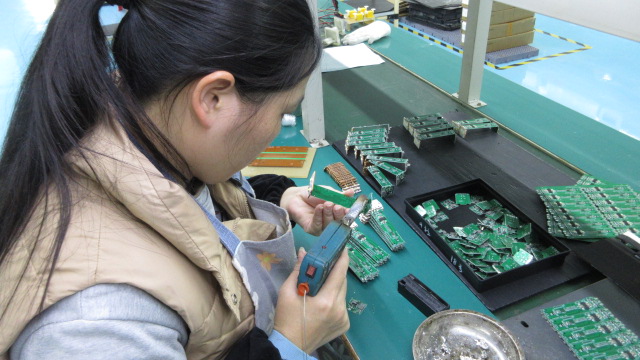
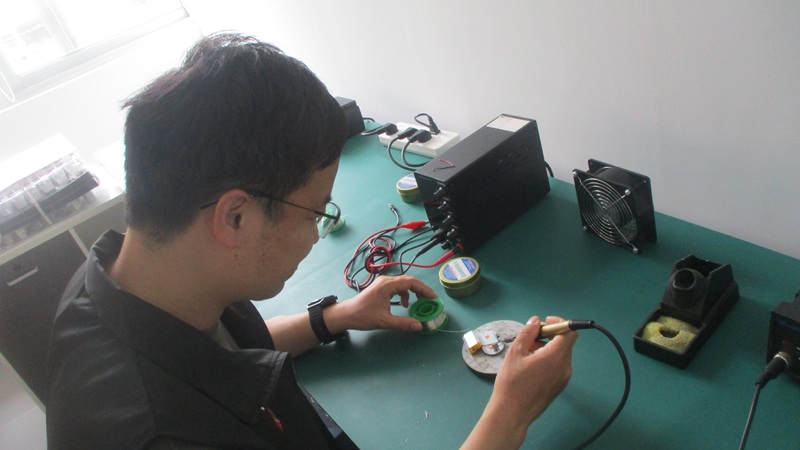
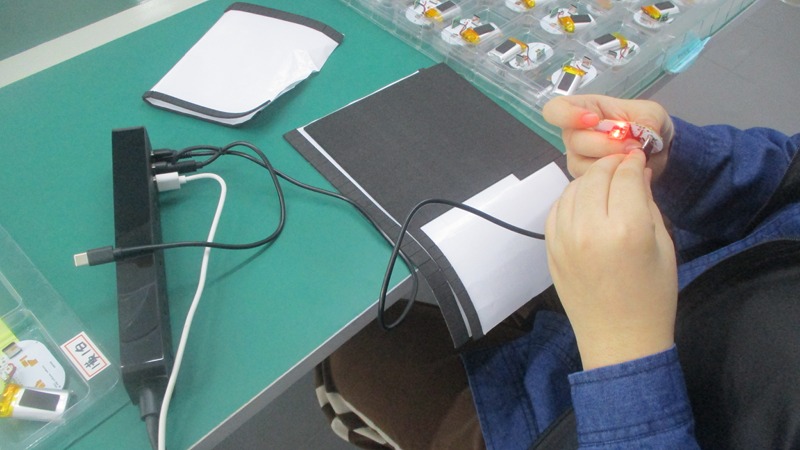
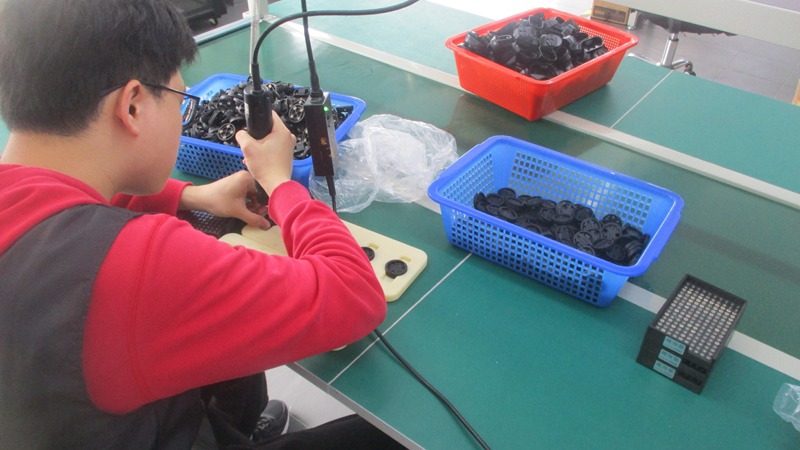
Inside our advanced production line: We oversee every production phase, from initial material casting to final precision balancing and automated packaging.





Technical answers to common engineering questions concerning lightweight brake conversions, materials, and long-term durability.
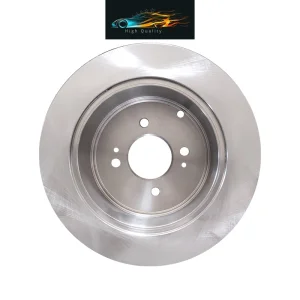
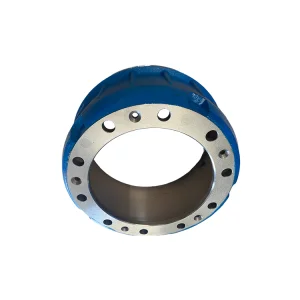
Advanced high-carbon, ceramic, and truck-duty rotors engineered for strict international safety standards.