 Nittanya Auto
Nittanya Auto
Nittanya Auto
Designed to meet the stringent demands of Detroit's automotive engineering standards, these advanced carbon ceramic rotors deliver unparalleled thermal management, massive unsprung mass reductions, and fade-free track execution.
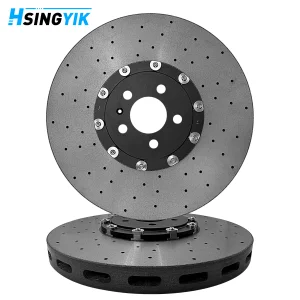
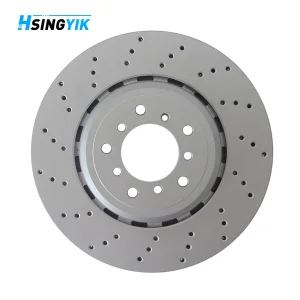
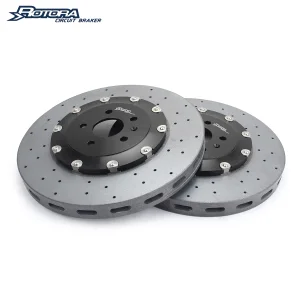
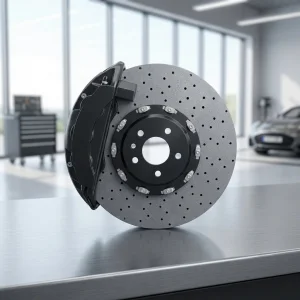
For over a century, Metro Detroit has stood as the heartbeat of global automotive engineering. Today, the Motor City is undergoing its most radical transformation since the assembly line: the convergence of high-output internal combustion engines (ICE) and high-torque electric powertrains. As OEMs like General Motors, Ford, and Stellantis introduce flagship electric trucks, performance SUVs, and track-oriented muscle cars, traditional grey iron braking systems are reaching their physical limitations.
Heavy battery pack integrations push modern vehicle curb weights well past 5,000 lbs, with high-performance EV platforms regularly exceeding 6,000 lbs. Bringing these massive, high-acceleration platforms to a halt generates kinetic energy loads that cast iron rotors struggle to dissipate. By switching to carbon-ceramic (C/SiC) matrix materials, Tier-1 suppliers and aftermarket developers can reduce unsprung weight by up to 60-80 lbs per vehicle, significantly optimizing handling dynamics, suspension recovery, and electric driving range.
Furthermore, regional environmental policies and international standards (such as the impending Euro 7 regulations which restrict brake wear particulate matter emissions) are forcing Detroit engineering teams to rethink brake rotor composition. Traditional cast iron brakes release high volumes of metallic dust. In contrast, carbon ceramic materials exhibit extremely high hardness and wear resistance, producing virtually zero brake dust. This environmental benefit, combined with a lifespan that often outlasts the vehicle itself, makes carbon ceramic technology a cornerstone for clean, premium vehicle design.
The global carbon ceramic brake market has historically been constrained by limited production capacity and exorbitant manufacturing costs, often dominated by a select few European Tier-1 suppliers. This lack of competition has bottlenecked supply lines, leaving Detroit buyers and global custom builders facing lead times of up to 12 months for replacement or prototyping orders. In today's volatile supply chain climate, securing a resilient, high-capacity manufacturing partner is a critical competitive advantage.
Carbon ceramic brake discs are produced via a specialized silicon infiltration process. Short carbon fibers are mixed with organic binders, compressed, and carbonized at temperatures exceeding 1000°C to form a porous Carbon/Carbon (C/C) body. This preform is then infiltrated with molten silicon at temperatures above 1400°C, transforming the material into Carbon-Silicon Carbide (C/SiC). The resulting compound achieves hardness close to that of a diamond, combined with the tensile reinforcing benefits of carbon fiber. Under extreme thermal loading where cast iron would warp or crack, C/SiC maintains structural integrity and a stable coefficient of friction.
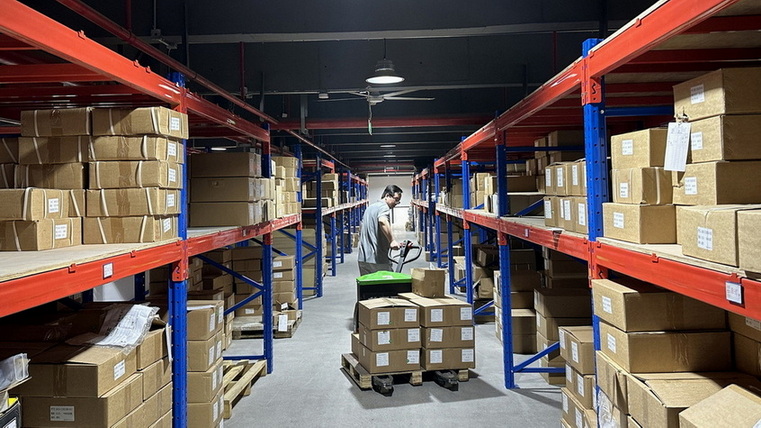
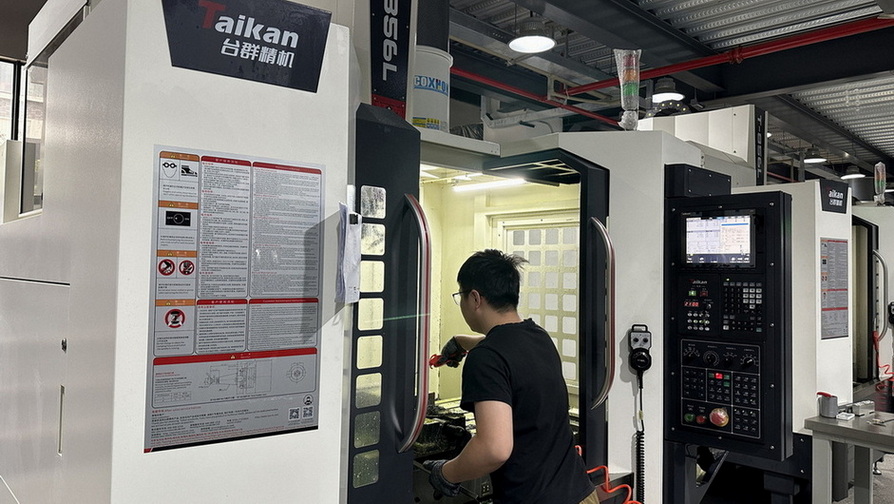
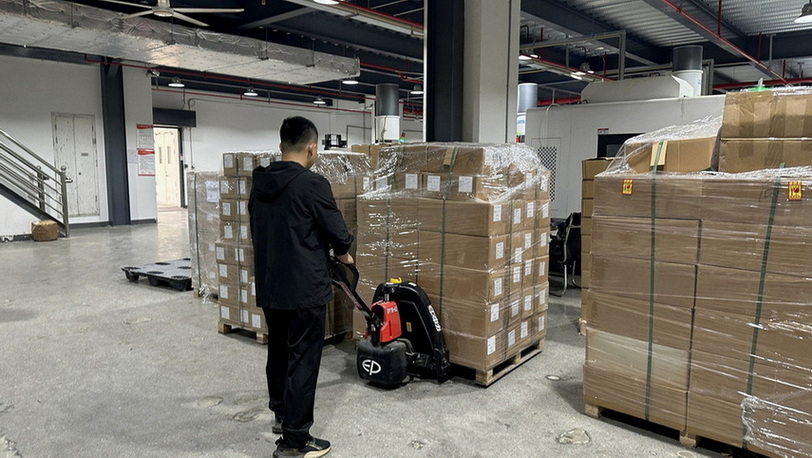
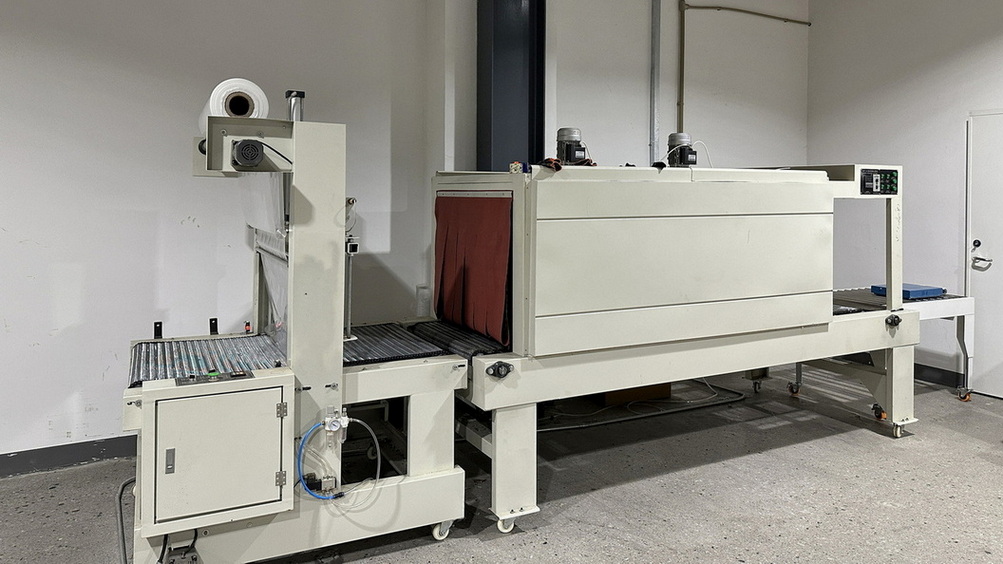
Qingdao Nittanya Auto Co., Ltd. stands at the forefront of China's Factory 4.0 industrial upgrade, offering global buyers a robust supply chain solution that bypasses conventional bottlenecks. Operating from Qingdao, a premier international deep-water port city, Nittanya ensures rapid logistics execution straight to the Port of Detroit, bypassing protracted transshipment delays.
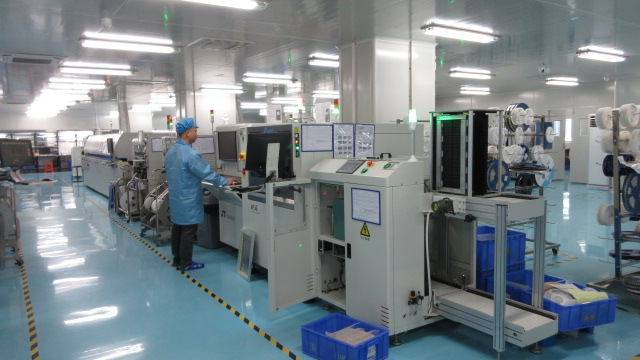
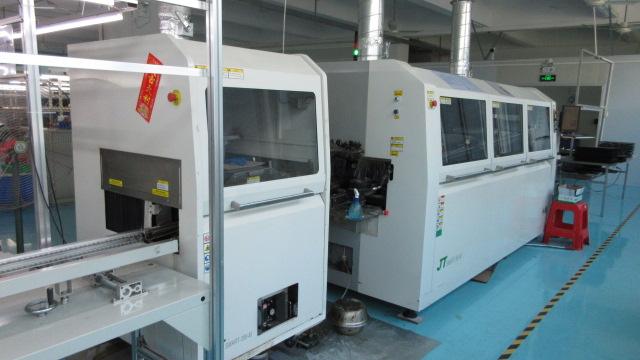
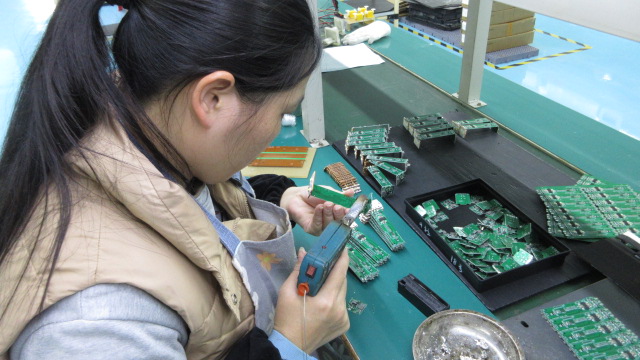
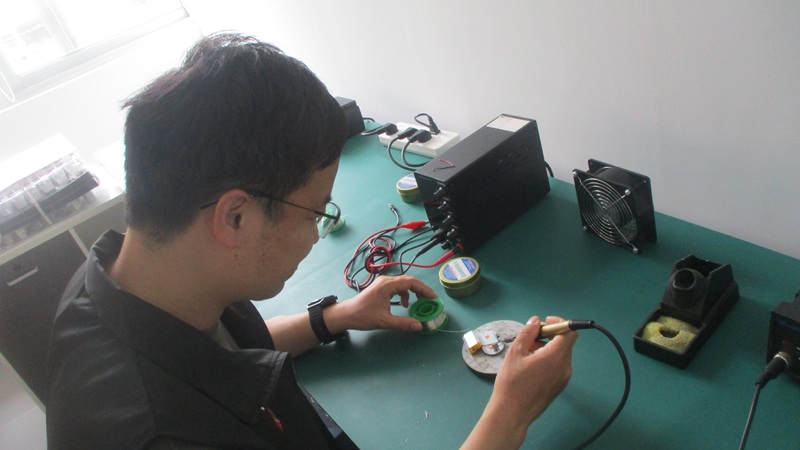
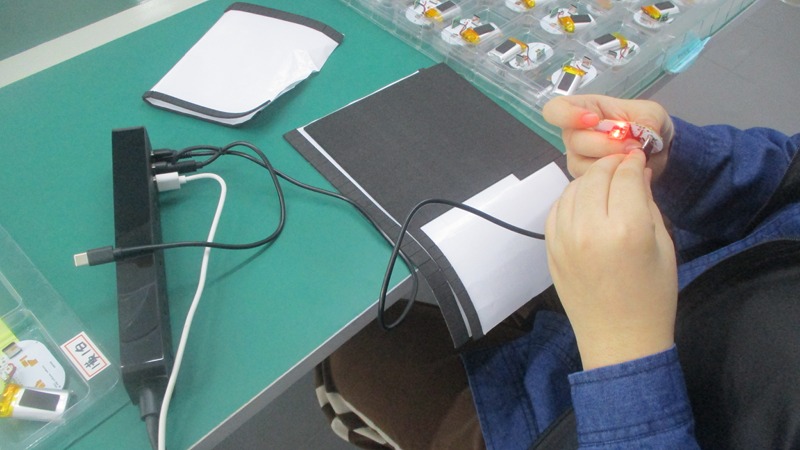
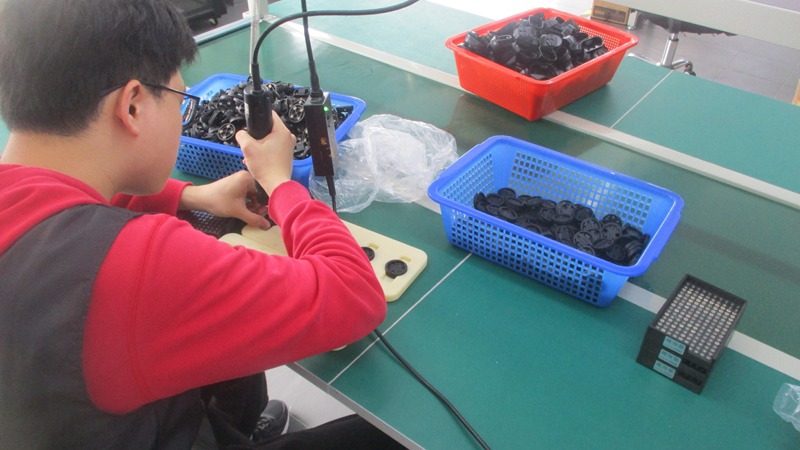
Our manufacturing footprint features precision-engineered automated production lines that merge classical metallurgy and structural composite production with advanced electronic assembly. High-performance braking in the modern era is no longer purely mechanical; it relies on complex sensor integration, brake-by-wire calibration, and wear diagnostics. By housing SMT (Surface Mount Technology), AOI (Automated Optical Inspection), and Wave Soldering lines directly in our manufacturing network, Nittanya delivers fully integrated smart braking assemblies, complete with wear-sensor circuitry and electronic modules tailored for next-generation ADAS integrations.





Braking components in the Great Lakes region face a unique set of harsh operational parameters. In Detroit, severe winters demand heavy applications of road salt, calcium chloride, and de-icing chemicals. This environment is highly corrosive to cast iron rotors, leading to rapid oxide build-up (rusting), pitting, and structural degradation, which in turn causes brake squeal, pulsing, and reduced stopping power.
Carbon ceramic materials are chemically inert. They do not rust or react with road salt, ensuring consistent performance and aesthetic appeal through Michigan winters.
Whether testing prototypes at the Chelsea Proving Grounds or hosting track days at M1 Concourse in Pontiac, carbon ceramic rotors eliminate thermal fade even after multiple back-to-back heavy braking cycles.
High-torque electric drivetrains require braking compounds that can withstand extreme heat spikes when regenerative braking is disengaged during emergency stops.
With structural lifespans extending beyond 300,000 km under normal driving, our products drastically minimize fleet maintenance downtimes and long-term costs.
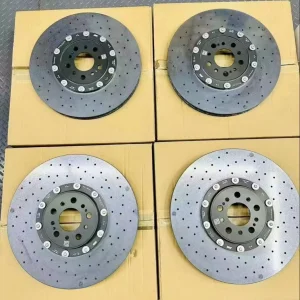
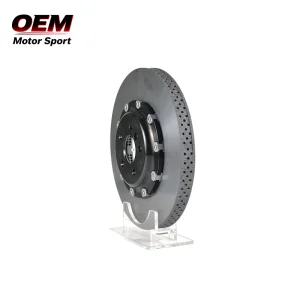
Explore our complete catalog of precision-engineered, aerospace-grade carbon ceramic rotors. Tap each card below to view custom specifications, dimension drawings, and vehicle fitment tables.
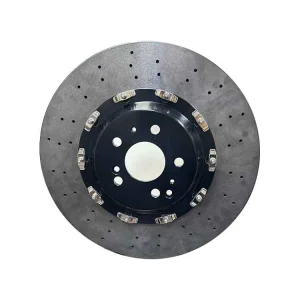
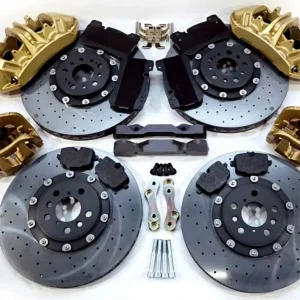
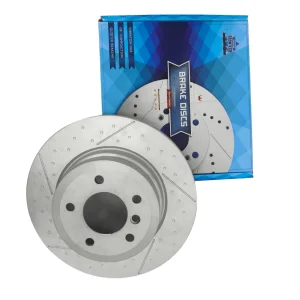
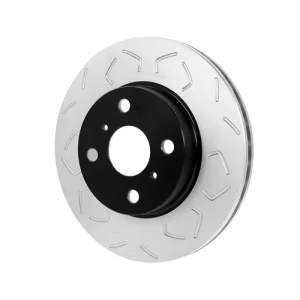


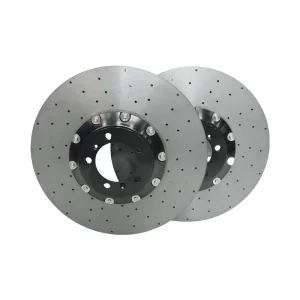

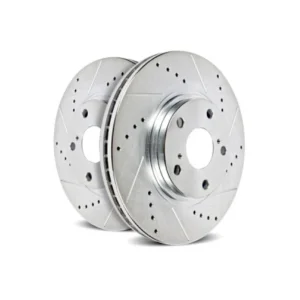
Understanding the engineering differences, cost parameters, and importation channels is essential for making informed purchasing decisions. Here are detailed responses to the most common queries from procurement specialists and engineering groups.
In standard highway and street environments, carbon ceramic rotors are engineered to last the life of the vehicle, typically exceeding 300,000 km (186,000 miles). Traditional cast iron rotors require replacement every 50,000 to 80,000 km, especially on heavy high-torque electric vehicles. Under aggressive track environments, carbon ceramic rotors retain their dimensional stability, and their lifespan depends on total thermal loading rather than physical abrasive wear.
We use high-temperature liquid silicon infiltration (LSI) under vacuum parameters alongside computer-controlled chemical vapor infiltration. Automated sensors monitor density, carbon fiber distribution, and silicon distribution throughout the disc. Each batch is subjected to non-destructive ultrasonic and X-ray testing to guarantee zero internal voids, eliminating the risk of surface delamination even under thermal shocks up to 1200°C.
Yes. We offer complete OEM and ODM engineering services. Using CAD and 3D modeling programs, our technical engineering team can customize disc diameters, thicknesses, cooling vane structures, and bell configurations. Additionally, our SMT and PCB processing lines design and configure custom electronic wear indicators and integrated sensor housings for Brake-by-Wire system platforms.
By leveraging Qingdao's logistics infrastructure, ocean freight shipments to East Coast or Midwest rail gateways average 28 to 35 days. For time-critical validation phases, we offer expedited air cargo routes directly to Detroit Metropolitan Wayne County Airport (DTW) with a door-to-door transit window of 5 to 7 business days, including customs clearance processes.
Connect with our senior engineering team to discuss material configurations, custom dimensions, pricing structures, and long-term procurement programs for your production line or automotive project.