Nittanya Auto Nittanya Auto

Carbon Ceramic Brake Rotor Manufacturer & Factories

Premium OEM & Aftermarket Deceleration Systems Tailored for the Norwegian EV Transition & High-Performance Demands

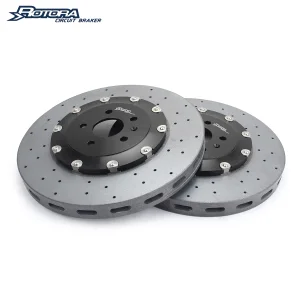
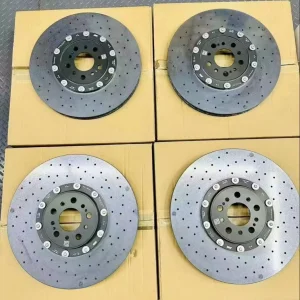
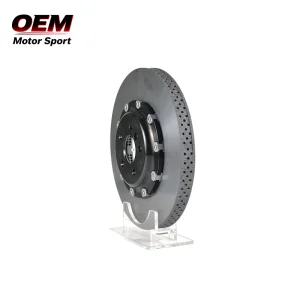
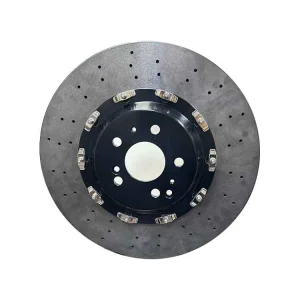
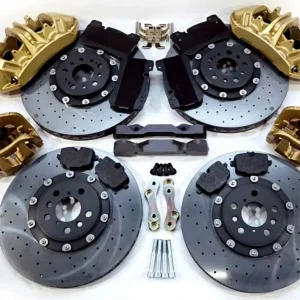
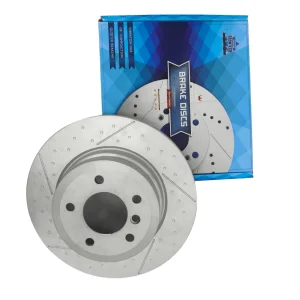
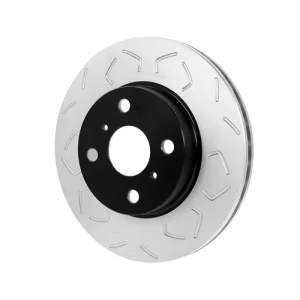
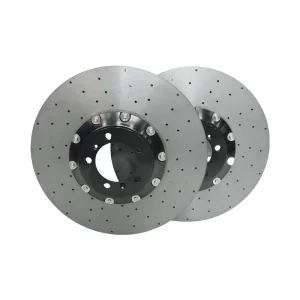
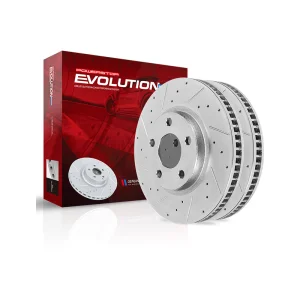
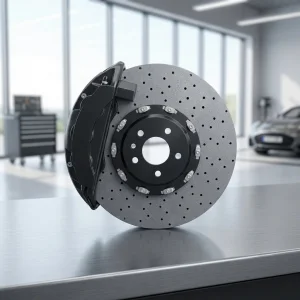
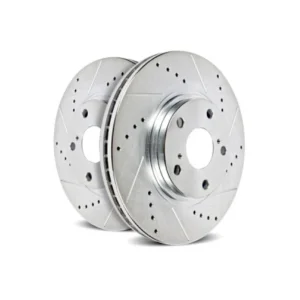
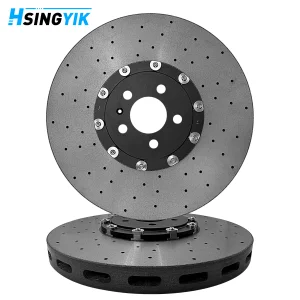
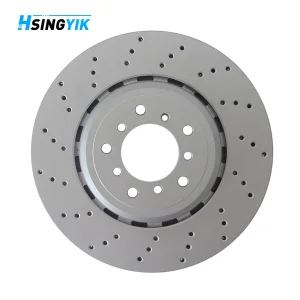
Featured Norway-Spec High-Performance Carbon Ceramic Rotors

Engineered for extreme sub-zero reliability, maximum weight reduction to optimize EV range, and zero-corrosion properties against winter road salts. These four top-tier assemblies represent our flagship technologies currently supplied to Norwegian commercial fleets, high-performance tuning networks, and racing circuits.
Industrial Whitepaper: The Norway Carbon Ceramic Brake Market Dynamics

The Norway EV Paradox: Why Traditional Steel Rotors Fail in the Nordic Climate

Norway is globally recognized as the frontrunner in electric vehicle (EV) adoption, with market penetration for new passenger vehicles exceeding 90%. However, this rapid shift presents a major engineering challenge for vehicle braking systems: **the premature deterioration of traditional cast-iron brake discs due to corrosion and under-utilization.**

Because EVs utilize regenerative braking systems (regenerative deceleration via the electric motor) to recover kinetic energy and charge the battery pack, the mechanical friction brakes are rarely engaged in normal driving conditions. Under Norway's wet, icy, and highly salted winter road conditions, traditional steel and cast iron rotors develop thick layers of rust and oxide. When emergency braking is eventually required, the rusted surface layer reduces the friction coefficient drastically, compromising vehicle safety.

Carbon Ceramic (C/SiC) Solution: Being chemically inert, our carbon ceramic rotors are completely immune to water, road salts (sodium chloride, calcium chloride, magnesium chloride), and environmental corrosion, maintaining a constant friction surface and structural integrity over a lifespan that frequently exceeds 300,000 kilometers.

Unsprung Mass Reduction & EV Battery Range Optimization

For premium EVs (such as the Tesla Model S Plaid, Audi e-tron GT, and Porsche Taycan running on the E6/E18 routes between Oslo, Gothenburg, and Trondheim), maximizing battery range is a primary operational objective. Our carbon ceramic rotor assemblies achieve a **50% to 60% weight reduction** compared to equivalent cast-iron brake discs.

Reducing unsprung mass by up to 15-20 kg per wheel corner yields immense benefits:

  • Suspension Dynamics: Reduced inertia improves damper and spring responsiveness, securing superior tire-to-road contact on uneven, snow-packed, or icy Scandinavian roads.
  • Kinetic Recovery & Range: Decreasing the rotational inertia of the braking assemblies allows the vehicle's electric motor to recover kinetic energy more efficiently during regenerative phases.
  • Micro-Dust Emissions: Carbon ceramic material limits structural wear, almost completely eliminating toxic metallic micro-dust emissions, matching Norway's strict environmental regulations.
-55%
Unsprung Mass Reduction
0%
Rust & Salt Corrosion
1000°C+
Thermal Fade Threshold
300K+
KM Average Lifespan

Technological Roadmap: The Material Science Behind Nittanya C/SiC Rotors

The Long-Fiber Carbon Reinforcement Method

Unlike standard short-fiber composite rotors which are susceptible to micro-cracking and delamination under high mechanical stress, Nittanya implements an advanced **Long-Fiber Carbon-Silicon Carbide (C/SiC) matrix structure**. This methodology relies on continuous multi-directional needle-punched carbon fiber preforms. The long-fiber layout yields vastly superior tensile strength, fracture toughness, and dimensional stability.

Our manufacturing process entails four core stages:

  • Carbon Fiber Preforming: Three-dimensional weaving of polyacrylonitrile (PAN) based carbon fibers to construct the internal structural skeleton.
  • Chemical Vapor Infiltration (CVI) / Liquid Silicon Infiltration (LSI): Infiltrating the preform with high-purity liquid silicon at temperatures exceeding 1,450°C under vacuum, converting the carbon matrix into a wear-resistant silicon carbide matrix.
  • Precision Diamond Machining: Carbon ceramic composites feature a diamond-like hardness, requiring custom CNC systems equipped with PCD (Polycrystalline Diamond) tooling to mill, drill, and balance each rotor to a tolerance of within 0.01mm.
  • Anti-Oxidation Surface Treatment: Application of a customized silicon carbide and glass-ceramic protective coating to prevent oxygen infiltration at temperatures above 600°C.

Thermal Dissipation & Cold-Bite Performance in Arctic Conditions

A typical concern for motorsport carbon brakes is their lack of friction ("cold-bite") when operating in sub-zero temperatures. Through our optimized ceramic formula, we have engineered a matrix that achieves a stable friction coefficient of **0.38 - 0.45 across a temperature window of -40°C to 1000°C**.

This wide thermal operational range is crucial for Norwegian drivers navigating mountain passes (such as Trollstigen or Geiranger) down to fjord-level roads, where sustained gravity-induced braking would warp standard cast-iron discs. The thermal conductivity of our C/SiC material (approx. 40 W/m·K) combined with our patented cross-drilled and directional curved vane ventilation designs ensures rapid thermal dissipation, eliminating brake fade entirely.

Company Profile & Advanced Manufacturing Facilities

Qingdao Nittanya Auto Co., Ltd. is a leading manufacturer, designer, and exporter specializing in automotive braking system components, including carbon ceramic brake discs, traditional high-carbon cast iron brake discs, drums, hubs, and integrated electronic sensor assemblies. Strategically based in Qingdao, China—a premier deep-water shipping port—Nittanya delivers seamless logistical connectivity directly to Norwegian hub ports like Drammen, Oslo, and Bergen.

With an annual production capacity exceeding one million pieces and a product range covering over 1,000 vehicle applications, our facilities are equipped with state-of-the-art smelting, machining, balancing, and non-destructive testing equipment. Our multidisciplinary engineering team is dedicated to IATF 16949:2016 quality standards, producing customized friction solutions for both luxury passenger vehicle fleets and track-focused motorsport platforms worldwide.
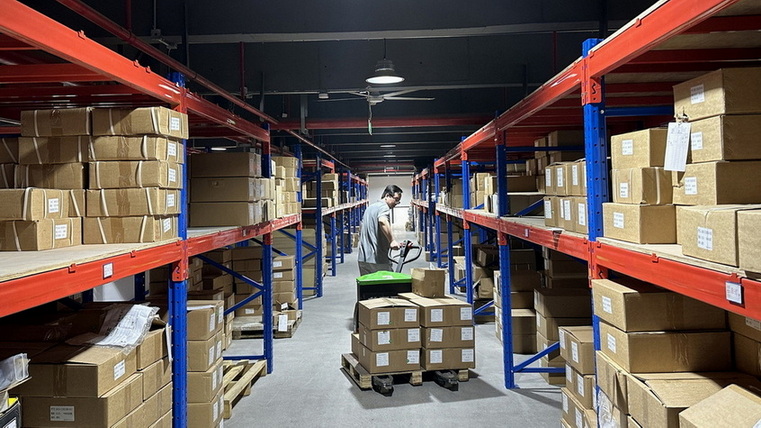
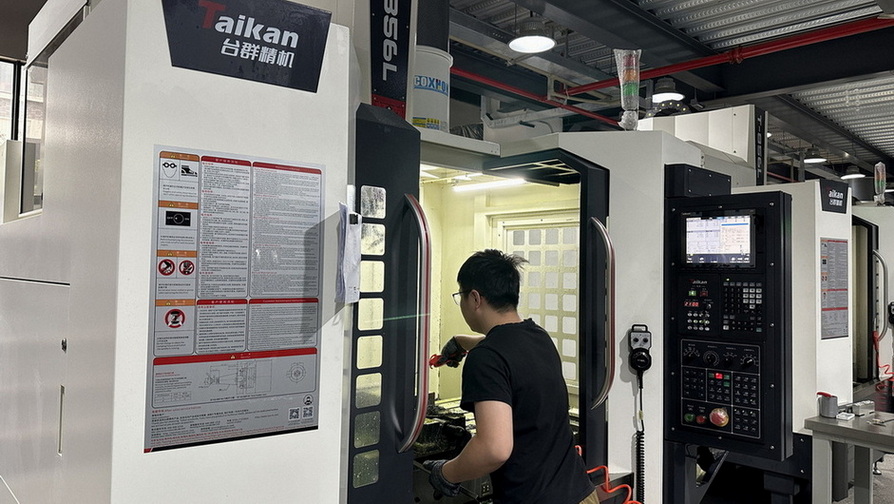
Step-by-Step Production & Quality Assurance Flow

Raw material inspection and selection
Raw material selection
CNC Machining processing stage
CNC Machining
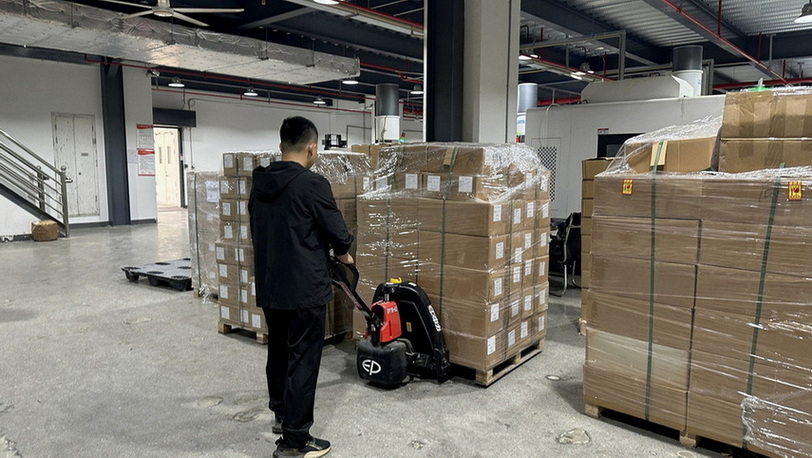
Automatic packaging and preservation lines
Automatic Packaging
Finished product inspection and storage
Finished Product
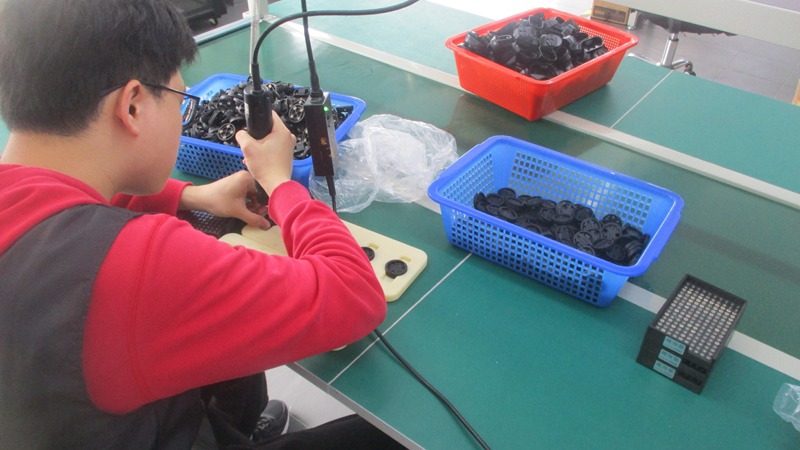
High precision CNC machining equipment
CNC Machining Equipment
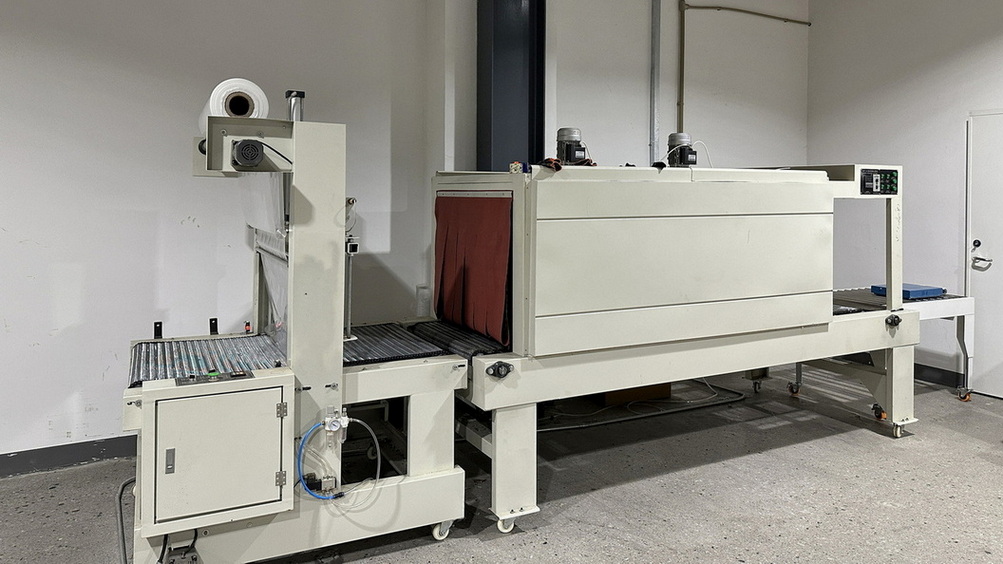
Automatic packaging equipment systems
Automatic Packaging Equipment
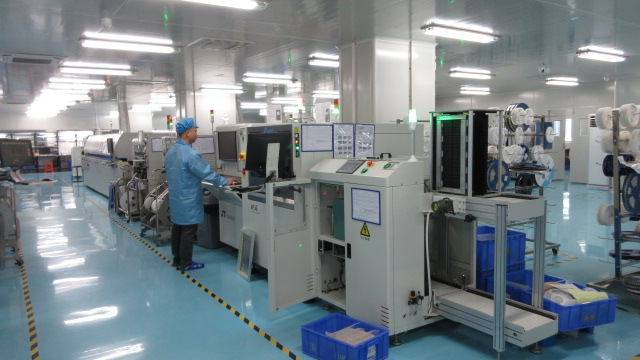
Surface Mount Technology electronics line
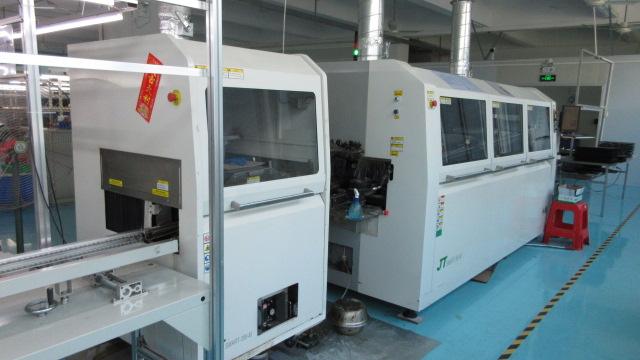
SMT Line (Wear Sensors)
Automated Optical Inspection of sensors
AOI Quality Station
Insertion device for electronic modules
Insert Device Operation
Wave Soldering process for brake indicators
Wave Soldering
Manual soldering for specialty connections
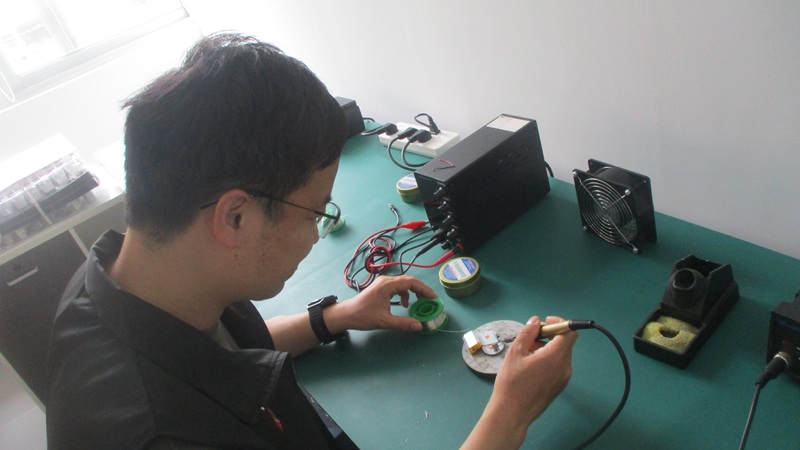
Manual Soldering
Integrated functionality checking system
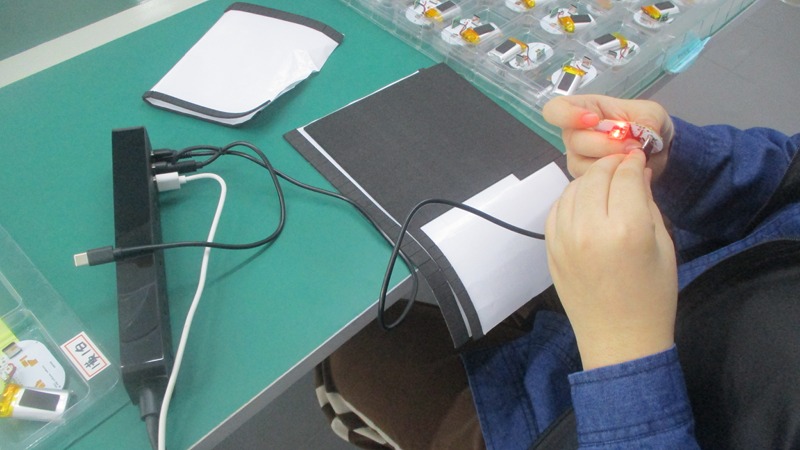
Function Check I
Printed circuit board welding for telemetry
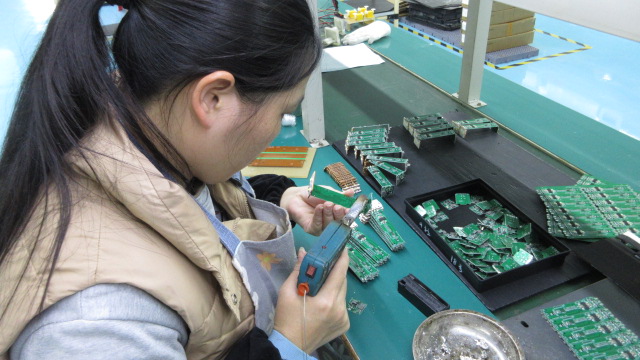
PCB Welding
Secondary functional verification check
Function Check II
Final mounting and fastening screws installation
Mounting Screw Assembly

Supply Chain Logistics & Regulatory Compliance for the Nordic Region

Efficient Customs Clearance & Direct Shipping to Drammen

Navigating the import framework of non-EU Norway requires a reliable manufacturer with seasoned logistics networks. Nittanya coordinates direct freight lanes from Qingdao Port to the Port of Drammen (Norway’s central automotive import hub) and the Port of Oslo. We handle all necessary commercial invoicing, bill of lading documentation, and origin declarations to facilitate seamless customs clearance via the Norwegian Customs Authority (Toll.no).

B2B Logistics and VOEC Registration Support: For commercial partners and distributors in Norway, we offer complete support with customs duties, localized VAT handling, and flexible incoterms (FOB, CIF, DDP, and DAP).

Compliance with ECE R90, IATF 16949, & ISO Standards

Safety is the primary metric in European and Nordic automotive regulation. All Nittanya carbon ceramic rotors undergo rigorous benchmarking testing that aligns with **ECE R90** replacement brake standards (under equivalent luxury categories) and **IATF 16949:2016** automotive quality management protocols. Our carbon-silicon carbide discs undergo dynamic load testing, high-temperature fatigue testing, and high-frequency resonance testing to ensure they remain noiseless and stable under the most stringent Nordic inspection criteria (Statens vegvesen / EU-kontroll).

Technical Q&A: Decelerating in Extreme Nordic Conditions

We address the primary engineering, operation, and logistics queries raised by Norwegian automotive distributors, EV performance workshops, and racing teams.

1. How do Nittanya carbon ceramic brake rotors perform in sub-zero winter temperatures? +
Unlike early-generation carbon-carbon racing clutches, our Carbon-Silicon Carbide (C/SiC) composite does not require a pre-heating phase to achieve optimal friction levels. Thanks to a specialized ceramic formulation, Nittanya rotors achieve their nominal friction coefficient (0.38-0.45) from the very first pedal application, even in ambient temperatures of -40°C. This ensures instantaneous braking response when exiting tunnels or driving on long, cold Norwegian highways where the brakes are rarely applied.
2. Are carbon ceramic rotors completely immune to Norwegian road salt and chemical de-icers? +
Yes. The compound structure of carbon-silicon carbide is highly stable and chemically inert. It does not react with water, sodium chloride, calcium chloride, or magnesium chloride used by Statens vegvesen for road winter maintenance. Consequently, Nittanya rotors are entirely free from the surface rusting, scaling, and pitting that plagues cast-iron discs in coastal and salted regions of Norway.
3. Can these carbon ceramic rotors be retrofitted as direct OEM replacements for EVs? +
Yes. We engineer customized lightweight aluminum hats (bell housings) utilizing aerospace-grade 7075-T6 aluminum alloys. These hats are designed to match the factory geometry, offset, and bolt patterns of major electric models (including Tesla Model S/X/3/Y, Audi e-tron, BMW i4/iX, and Porsche Taycan). They can either work with the original caliper brackets or be provided as a full kit with upgraded multi-piston calipers.
4. What is the expected service life of a Nittanya C/SiC rotor in typical Norwegian driving? +
Under regular passenger transport and mixed highway/city driving conditions, our carbon ceramic rotors are designed to last the life of the vehicle, typically exceeding 300,000 kilometers. The wear rate is incredibly low due to the extreme surface hardness of the silicon carbide matrix. Brake pad replacement is also less frequent, and the system produces virtually no abrasive dust, meaning your wheels stay clean.
5. How does Nittanya prevent brake squealing or noise in humid and cold Nordic environments? +
Brake squeal is caused by harmonic vibrations between the rotor and pad. We combat this using three methods: first, by optimizing the damping properties of our aluminum-to-composite floating pin connection; second, by utilizing precision CNC balancing tolerances under 0.01g; and third, by matching our rotors with high-performance low-metallic or ceramic pad formulations equipped with multi-layered noise-damping shims.

Comprehensive Norway Automotive & Racing Applications Catalog

Below is our extended range of premium carbon ceramic rotors and carbon-fiber composite decel solutions. These products are fully compatible with Norwegian road registration standards and are customized with localized model titles for our Scandinavian clients. All original URLs and image specifications remain intact.