Nittanya Auto
Nittanya Auto
Nittanya Auto
Premium High-Carbon Floating Brake Systems & Metallurgical Engineering for Liguria's Demanding Highway and Mountain Terrains
Engineered for extreme thermal cycling and direct compatibility with European, Asian, and American vehicle platforms.
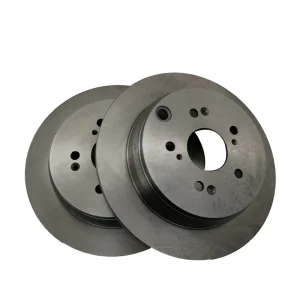
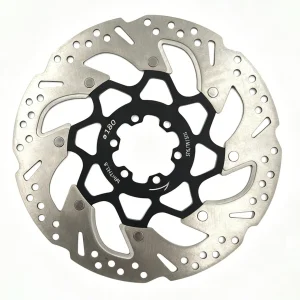
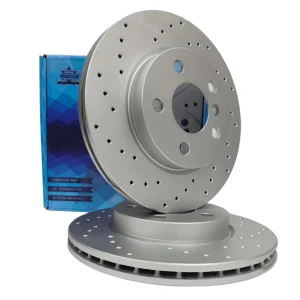
Genoa, serving as the commercial heartbeat of Liguria and Northern Italy's premier maritime gateway, represents an engineering environment with extreme automotive demands. The physical geography of Genoa—where the steep Apennine mountain range meets the Ligurian Sea—creates severe challenges for passenger cars, light commercial vehicles, and heavy logistics trucks alike.
Highways such as the A7 (connecting Genoa to Milan) and the A10 (stretching along the Italian Riviera to France) are notorious for continuous steep descents, tunnels, tight curves, and intense traffic loads. Standard monoblock cast-iron brake rotors subjected to these routes experience massive thermal stresses, leading to heat coning, pedal pulsation, and accelerated brake fade.
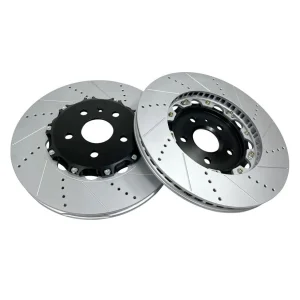
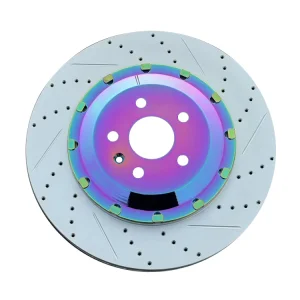
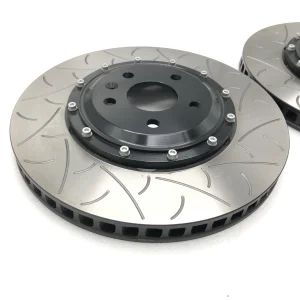
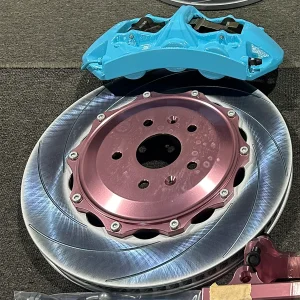
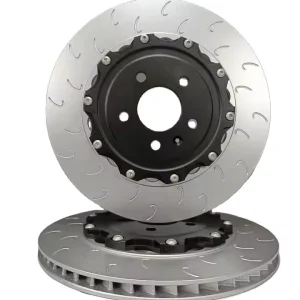
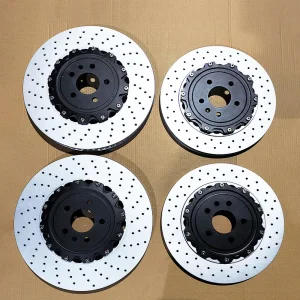
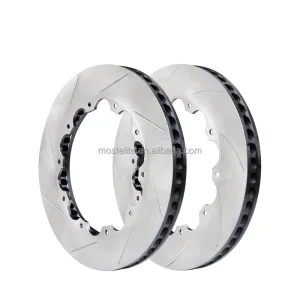
Furthermore, Genoa's salt-laden maritime breeze acts as a persistent catalyst for galvanic and crevice corrosion. This makes the selection of materials for brake assemblies critical. Two-piece brake rotors, utilizing aerospace-grade 6061-T6 anodized aluminum bells combined with premium high-carbon cast-iron friction rings, offer the ultimate resolution. The aluminum hub reduces unsprung weight while resisting maritime atmospheric corrosion, and the floating assembly allows radial thermal expansion, mitigating friction ring distortion during severe Apennine descents.
Engineering high-performance multi-piece brake components designed for zero-compromise thermal management and mechanical longevity.
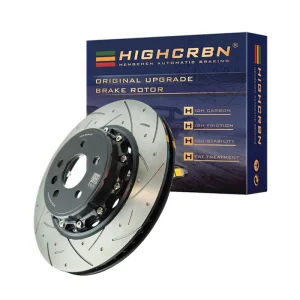
Our friction rings are cast utilizing specialized high-carbon chemistry (3.5% - 3.8% Carbon content) optimized with Chromium and Copper. This graphite micro-structure provides superior thermal conductivity and damping capacity to eliminate braking NVH.
CNC machined from solid forged structural aluminum, the central bell provides incredible strength-to-weight ratios. The surface is hard-anodized in black, gold, or silver to resist maritime oxidation and aesthetic fading.
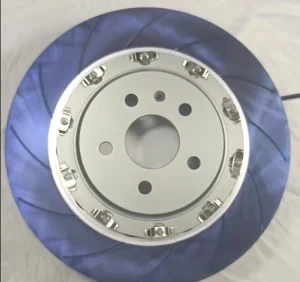
Designed to decouple mechanical stresses. High-strength stainless-steel drive bobbins, coupled with anti-rattle spring washers, allow the outer ring to expand radially up to 1.5mm as temperature rises, preventing structural rotor fatigue.
| Engineering Property | Standard Monoblock OEM Rotor | Nittanya High-Carbon Two-Piece Rotor | Performance Impact on Ligurian Terrain |
|---|---|---|---|
| Tensile Strength (MPa) | 180 - 220 MPa | ≥ 250 MPa (Alloyed Cast Iron) | Exceptional structural integrity, prevents rotor cracking under heavy down-hill braking. |
| Thermal Conductivity (W/m·K) | 46 - 48 | ≥ 54 (High Carbon Graphite structure) | Efficient heat dissipation from brake pad interface to cooling vanes, minimizing pad glazing. |
| Weight Savings per Disc (%) | 0% (Baseline) | 20% to 30% reduction (Aluminum center hat) | Significantly lowers rotational inertia, improving fuel efficiency and accelerating steering recovery. |
| Operating Temp Threshold | Up to 500°C before fading | Up to 800°C (Stable friction coefficient) | Consistent braking torque during steep descents from Mt. Figogna or the Apennines. |
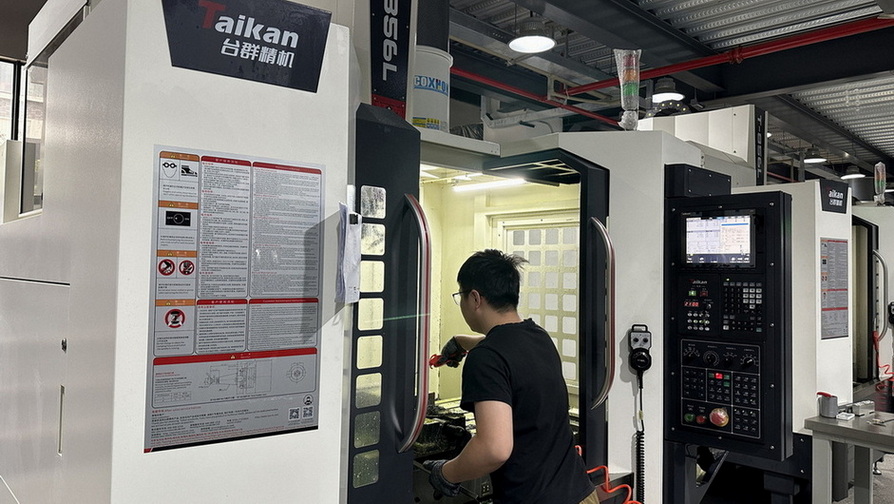
As a leading automotive manufacturing hub, Qingdao, China, hosts a concentrated metallurgical ecosystem. Qingdao Nittanya Auto Co., Ltd. leverages this direct proximity to critical supply lines, allowing us to manage cost-efficiencies, raw material access, and advanced CNC tooling operations. This geographical edge translates directly to cost savings and rapid delivery cycles for Italian distributors and fleet managers in Genoa.
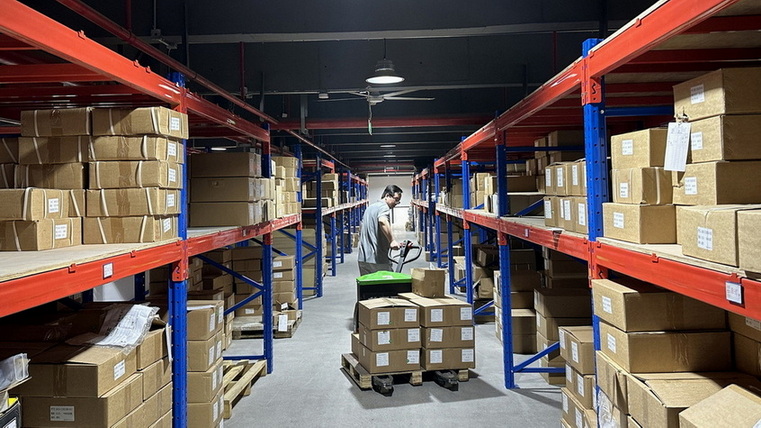
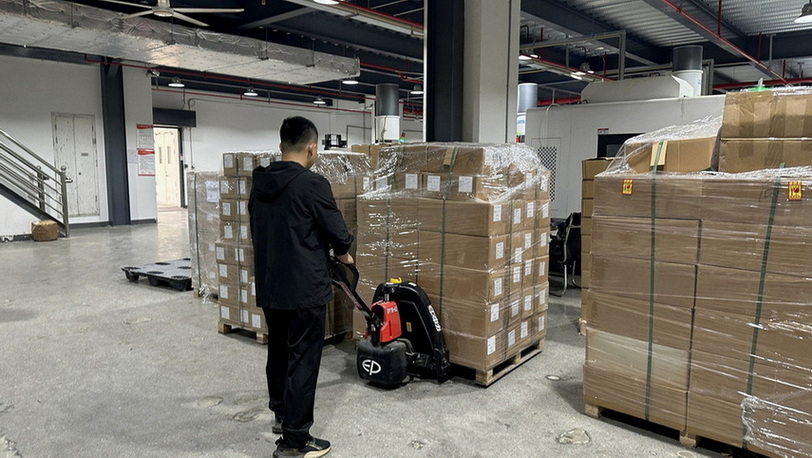
Shipping from Qingdao Port directly to the Port of Genoa offers streamlined maritime transport. Our logistics networks collaborate with major ocean carriers to provide scheduled shipments to the Genoa terminal (VTE / SECH), bypassing unnecessary overland transport and reducing regional customs complications. With average sea transit times of 30 to 35 days, we secure continuous supply lines for wholesale warehouses in Liguria and Northern Italy.
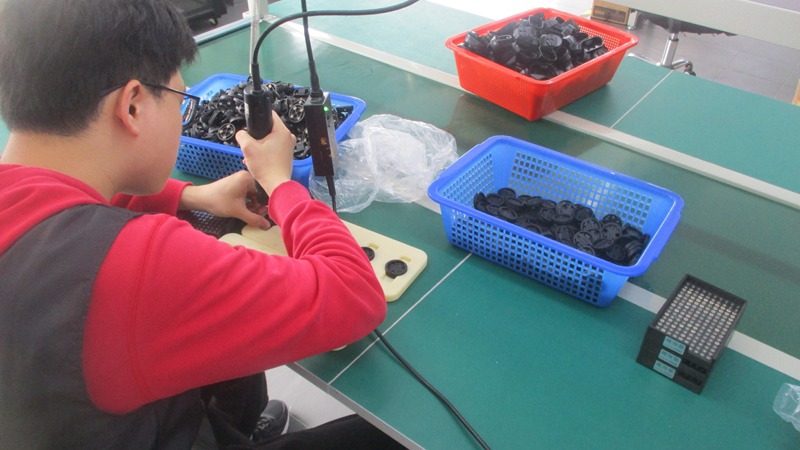
To ensure zero defect tolerance, our factory employs fully automated production pathways. From raw material casting and high-precision CNC balancing to automatic packaging systems, every stage is monitored.
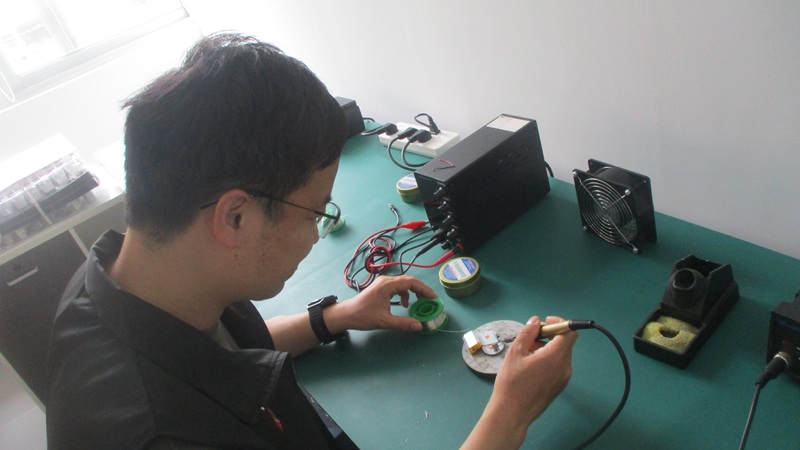
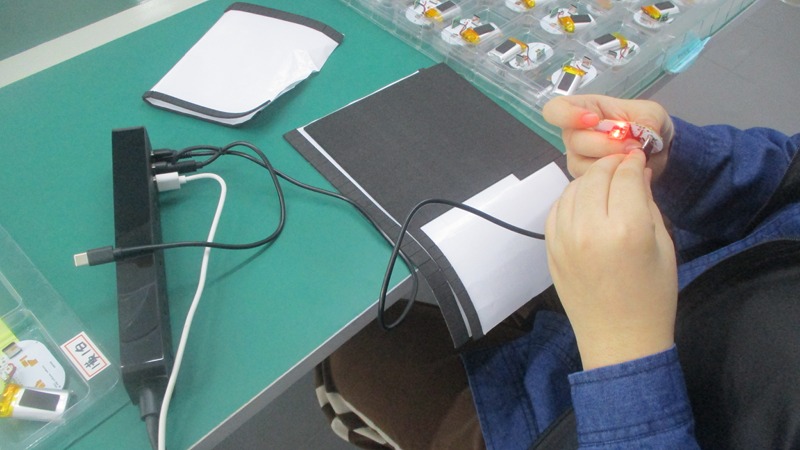
Unlike traditional casting-only factories, Nittanya Auto integrates dedicated electronic component assembly lines, including modern SMT (Surface Mount Technology), AOI (Automated Optical Inspection), and Wave Soldering. This capability enables us to produce and supply two-piece smart rotors integrated with electronic wear-sensor hardware and thermal telemetry, satisfying the digital demands of modern commercial fleets.
Discover how Qingdao Nittanya Auto Co., Ltd. builds elite automotive braking components from molten raw materials to finished precision-machined products.


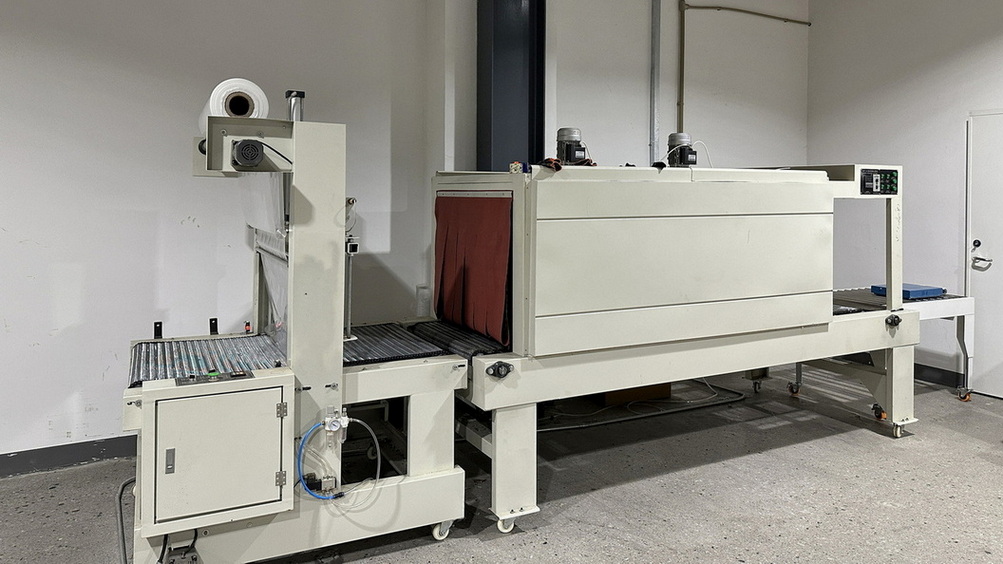
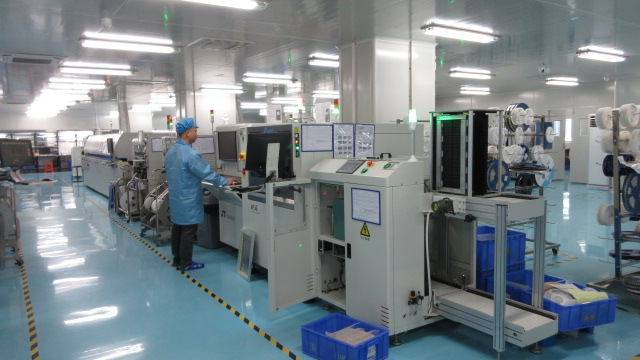

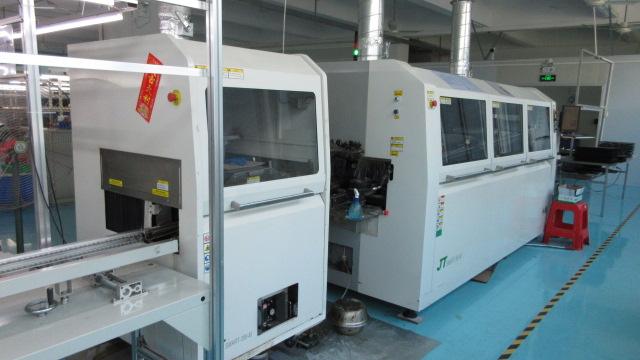

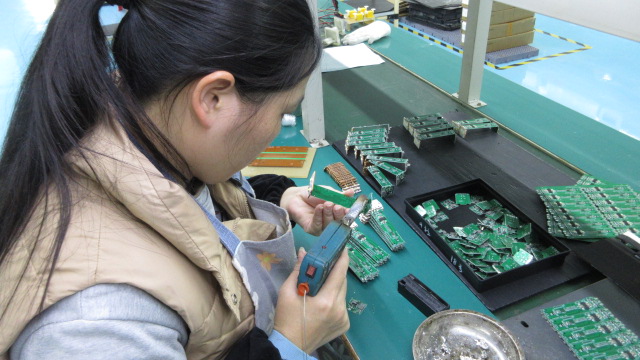

Why leading global manufacturers and fleet logistics departments are shifting away from heavy single-piece brake castings.
The global automotive market is witnessing a major transformation driven by environmental regulations and fuel efficiency targets, such as Europe's Euro 7 standards. Braking systems are now major targets for weight reduction. Because braking assemblies make up a significant portion of a vehicle's unsprung mass, reducing this weight improves wheel contact, suspension responsiveness, and overall ride comfort.
In electric vehicle (EV) platforms, managing unsprung mass is even more critical. EVs are inherently heavier due to high-voltage battery packs. Heavy monoblock brake rotors add unnecessary weight that compromises driving range. Two-piece aluminum-hat rotors resolve this by offering lightweight, high-performance thermal heat-sink properties. This technology is fast becoming the standard for modern sports cars, electric SUVs, and commercial vehicles across Europe and North America.
From a performance perspective, two-piece floating rotors provide unmatched resistance to thermal cracking. When a single-piece rotor heats up, it expands unevenly, leading to "thermal coning" and brake pulsation. By separating the cast iron friction ring from the aluminum center mounting hub using mechanical bobbins, the friction ring can expand freely. This eliminates coning and ensures consistent contact between the brake pad and rotor surface under high-temperature loads.
For Genoa's logistics networks, public transit agencies, and tuning centers, upgrading to two-piece brake rotors translates directly to reduced downtime, lowered pad wear rates, and a lower total cost of ownership.
Meeting the rigorous safety and import regulatory frameworks of the European Union and Italian transportation authorities.
Every two-piece rotor designed for EU roads is certified to meet or exceed ECE R90 requirements, ensuring braking torque, friction stability, and structural endurance match original OEM specifications.
Our manufacturing plant operates under the IATF 16949 automotive quality management system. From casting chemical compositions to final balancing runs, every process is fully traceable.
We manage direct shipping operations, custom clearing documentation, and duty filings for the Port of Genoa, delivering wholesale goods straight to your warehouse doors in Italy.
Answers to technical, logistical, and commercial inquiries for importers, distributors, and fleet companies in Genoa.
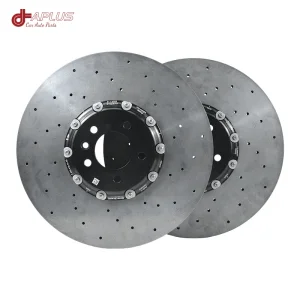
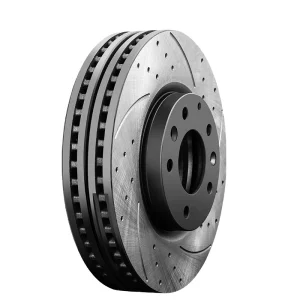
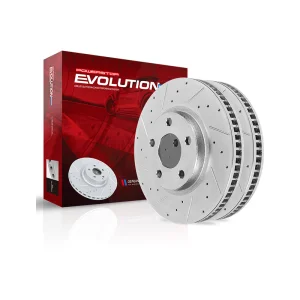
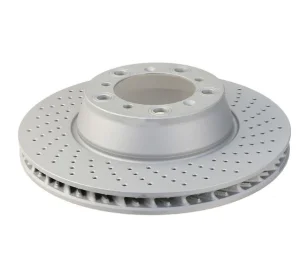
Explore our full line of high-performance carbon-ceramic, floating, and customized high-carbon replacement rotors.
Whether you require customized OEM dimensions, specialized anti-corrosion finishes, or high-volume distribution shipments directly to Genoa, our technical team is ready to assist. Contact us today for technical specifications, product pricing catalogs, and container transport logistics quotes.
Send Inquiry Now