 Nittanya Auto
Nittanya Auto
Nittanya Auto
Precision engineered brake disc configurations designed to meet Federal Motor Vehicle Safety Standards (FMVSS) and severe Salt-Belt driving conditions.
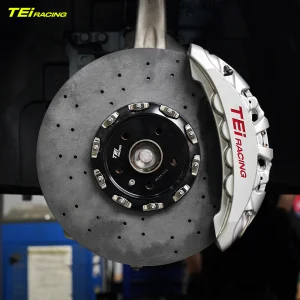
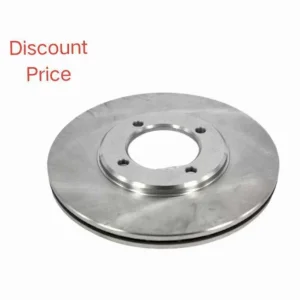
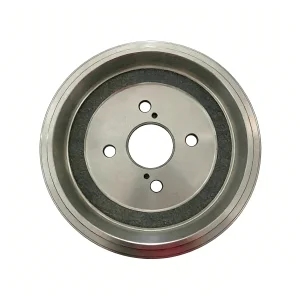

The United States presents one of the most geographically diverse and chemically hostile environments for automotive brake components. In the northern states, collectively known as the "Salt Belt" (comprising regions like New England, the Great Lakes, and the Midwest), municipalities apply millions of tons of road salt (sodium chloride) and liquid de-icers (calcium and magnesium chloride) annually to combat snow and ice. These chemical compounds form highly corrosive electrolytic solutions that dramatically accelerate the oxidation of gray cast iron rotors.
For fleet managers, parts distributors, and automotive workshops, rust is not merely an aesthetic issue; it is a critical safety and operational challenge. Surface rust and edge scaling cause uneven brake pad wear, rotor runout, lateral vibration (commonly referred to as brake judder), and premature mechanical failure. This is where Zinc-Plated Brake Rotors act as a primary defense line.
Unlike standard bare-metal rotors that oxidize immediately after exposure to humidity, zinc electroplating provides a uniform, micro-thin sacrificial barrier. Through a galvanic process, the zinc layer actively sacrifices itself to protect the underlying gray cast iron structure. Once mounted and bedded, the friction zone is swept clean by the brake pads, while the non-contact areas (the hat, internal cooling vanes, and outer perimeter edges) remain shielded. This ensures long-term structural integrity, preserves wheel aesthetics (especially behind modern open-spoke alloy wheels), and prevents rust scaling from seizing the rotor to the wheel hub.
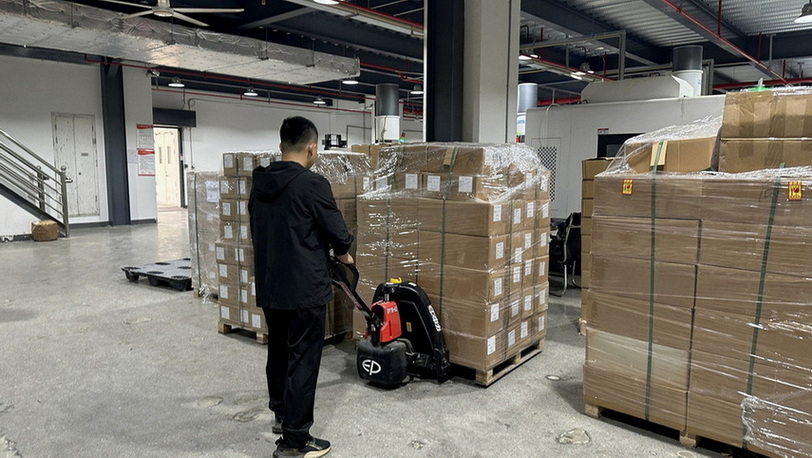
Aligning international manufacturing capacity with strict American automotive distribution standards.
Municipalities in states like Michigan, Ohio, New York, and Pennsylvania rely heavily on chemical de-icers. Zinc plating inhibits the aggressive galvanic corrosion caused by these compounds, maintaining smooth braking dynamics and preventing rust-welding at the hub interface.
The US light truck segment (Ford F-Series, Chevy Silverado, Ram) requires brake rotors that can handle high thermal loads. High-carbon metallurgy combined with zinc-plated cooling vanes keeps running temperatures down, preventing thermal distortion and brake fade under load.
Our engineering standards ensure that every disc brake matches or exceeds the safety, performance, and stopping distance parameters outline by the Federal Motor Vehicle Safety Standards (FMVSS) of the United States DOT.
Modern braking technology has evolved beyond pure mechanical friction. The automotive ecosystem is shifting rapidly towards active safety integrations, including Electronic Stability Control (ESC), Autonomous Emergency Braking (AEB), and regenerative braking systems in Hybrid and Electric Vehicles (EVs).
For EVs like Tesla, the mechanical brakes are utilized less frequently due to motor regeneration, causing moisture to linger on the friction surface and accelerate rust build-up. Consequently, high-wear resistant zinc plating and premium carbon-ceramic compounds are no longer luxury options—they are essential to guarantee emergency stop safety.
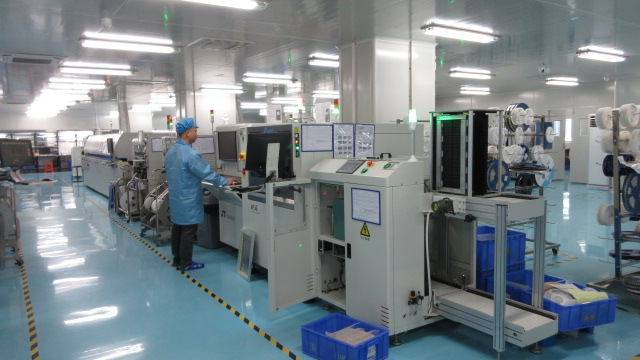
Qingdao Nittanya Auto operates at the convergence of advanced metallurgy and active safety mechatronics. We integrate advanced SMT (Surface Mount Technology), AOI (Automated Optical Inspection), and precision PCB wave-soldering processes to manufacture electronic components that coordinate seamlessly with active braking assemblies (such as EPB actuators, wheel speed sensors, and stability controllers). This dual expertise in heavy-metal casting and precision microelectronics enables us to supply components that meet the holistic demands of next-generation American transport.
A deep dive into our manufacturing infrastructure, showcasing casting, precision machining, and mechatronic assembly operations.
Located in Qingdao, China, Nittanya Auto enjoys logistics advantages for direct maritime shipments to ports in Long Beach, Houston, Newark, and Savannah. With an annual production capacity exceeding one million pieces, our facility is equipped with automated casting, high-precision CNC machining, dynamic balancing, and rigorous metallurgical laboratory testing.
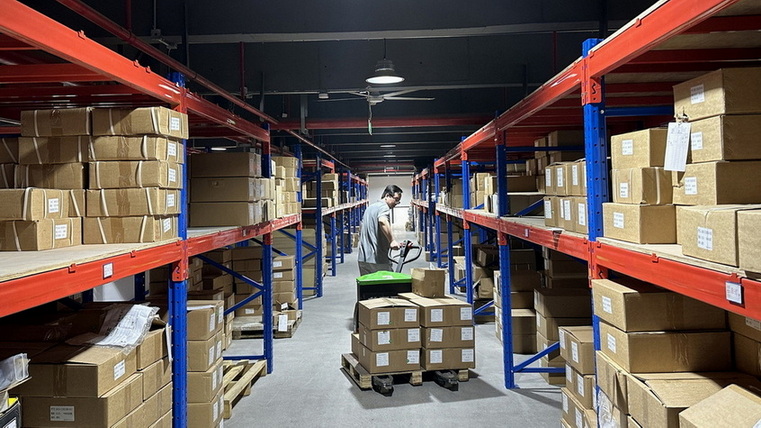 Raw material
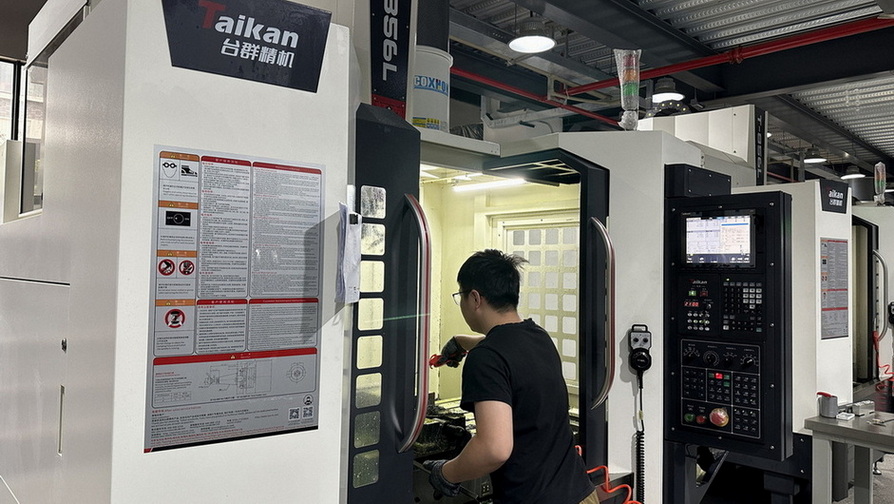 CNC machining
 Automatic packaging
Finished Product
Automatic packaging
Finished Product
 CNC machining equipment
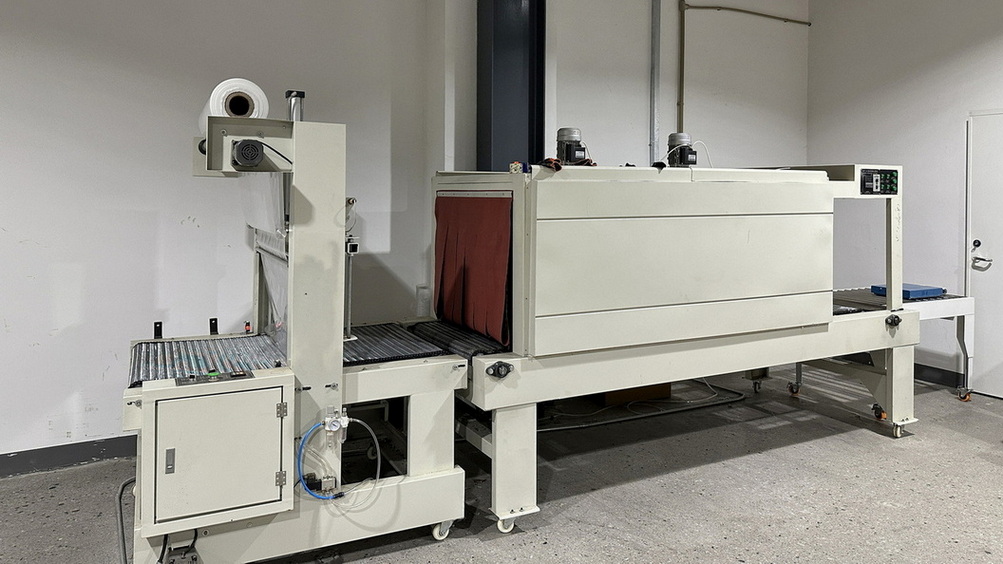 Automatic packaging equipment
SMT Line
Automatic packaging equipment
SMT Line
 AOI Verification
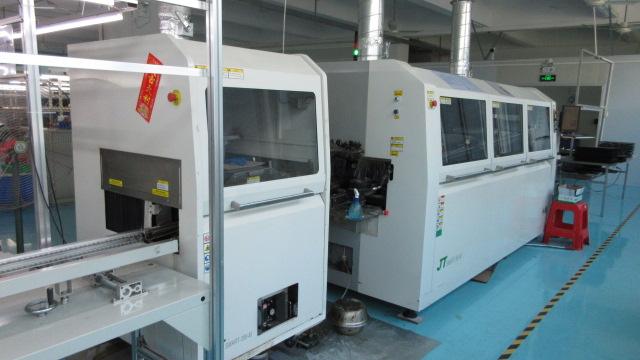 Insert Device
 Wave Soldering
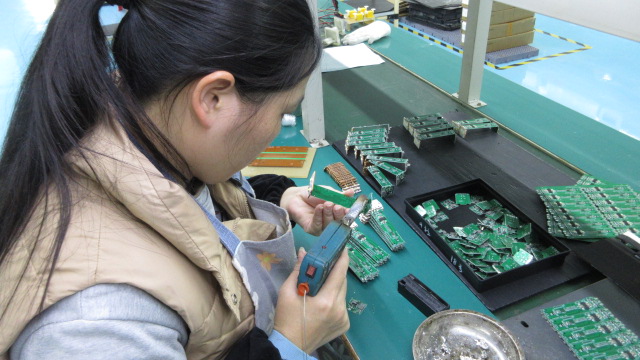 Manual Soldering
 Function Check
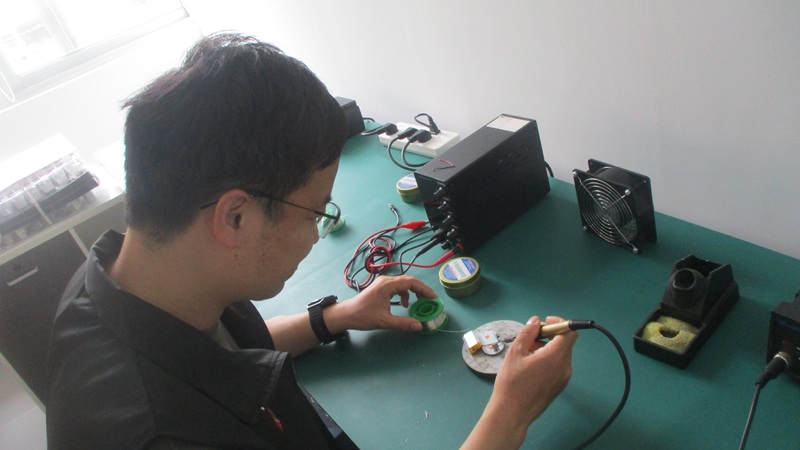 PCB Welding
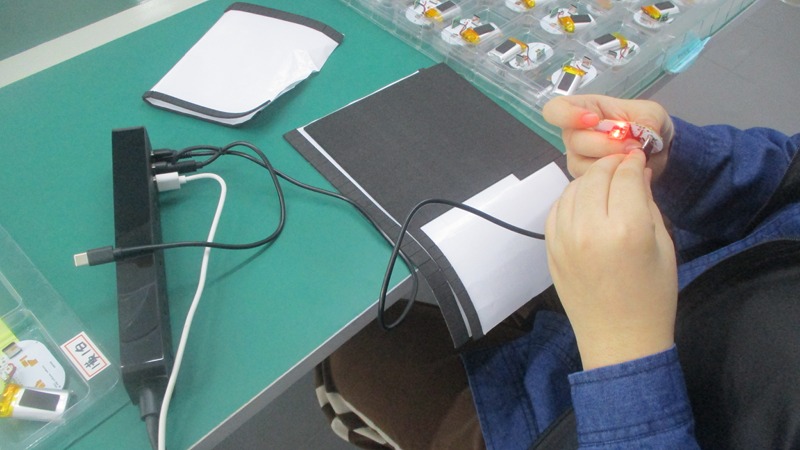 Function Check QA
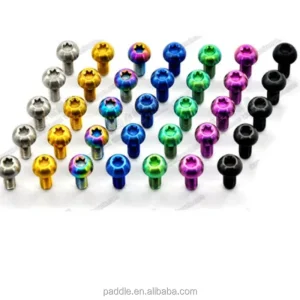
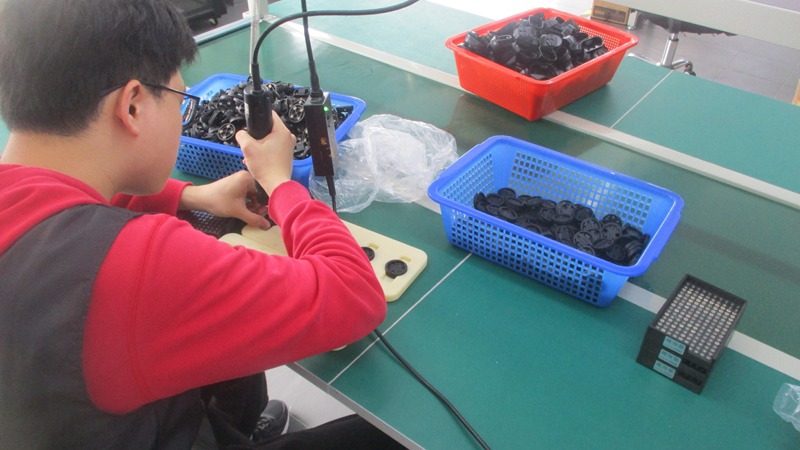 Mounting Screw Assembly
Addressing modern environmental compliance, weight reduction, and durability benchmarks.
Traditional brake pads and low-quality rotors yield excessive particulate dust, which contributes significantly to fine airborne particulate matter (PM2.5). The US Environmental Protection Agency (EPA) along with California's strict automotive initiatives have pushed for low-dust solutions.
By pairing high-carbon cast iron rotors with advanced anti-corrosive electroplating, the brake assembly wears more uniformly. The clean interface drastically reduces friction dust production and optimizes pad-to-rotor contact, keeping wheels clean and decreasing local environmental pollution.
As electric vehicles represent an increasing share of the US market, brake component weight has direct implications on vehicle range. We are developing lighter, vented rotor solutions that optimize mechanical heat displacement while reducing rotational mass. Our specialized coatings ensure that when friction brakes are applied intermittently, the response is immediate and clean.
Addressing technical specifications, performance factors, and procurement queries for the North American market.
Full range of brake components, mounting accessories, and specialty application rotors for US and global distributions.

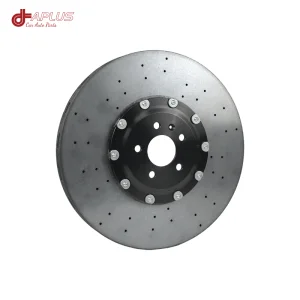

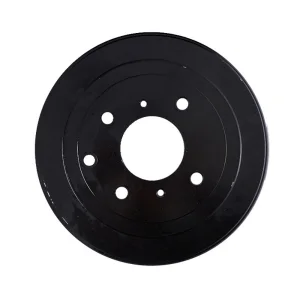
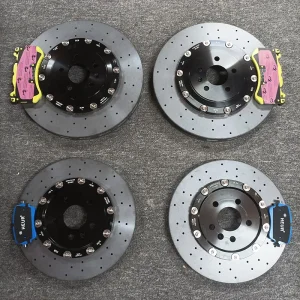
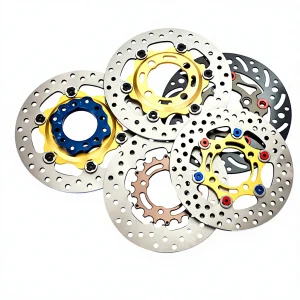
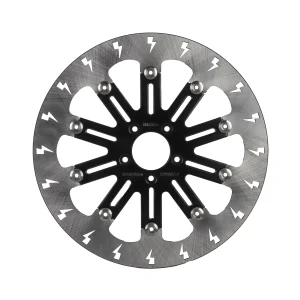
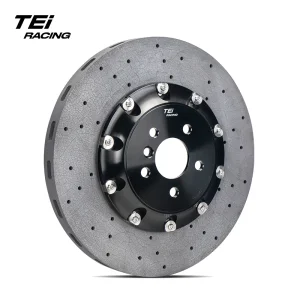

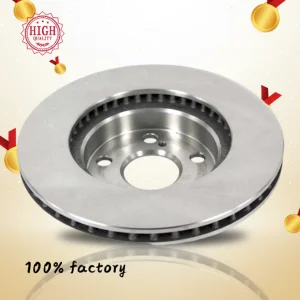

Connect with our technical sales division for bulk custom orders, zinc electroplating specifications, custom branding, and logistics quotes directly to your distribution center.
Send Inquiry Now