Nittanya Auto
Nittanya Auto
Nittanya Auto
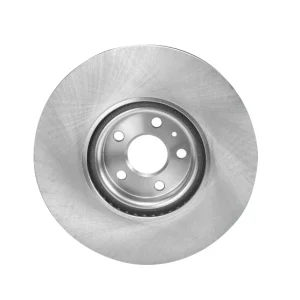

Modern automotive engineering demands a critical balance between deceleration capabilities, unsprung weight management, and thermal resilience. Traditional single-piece cast iron brake discs, though cost-effective, suffer from fundamental limitations in high-thermal environments. When subjected to intense friction, a one-piece rotor experiences non-uniform thermal expansion, leading to axial distortion (warping), thermal cracking, and subsequent brake fade.
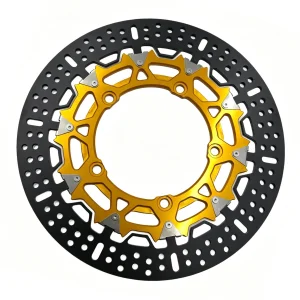
Technical Insight: Two-piece floating brake discs resolve this thermal conflict by separating the central aluminum mounting bell (hat) from the outer cast-iron friction ring. Joined by high-strength steel bobbins or pins, this layout allows radial and axial expansion independent of the central hub. This minimizes thermal stress, preserves pedal feel, and significantly reduces rotating unsprung mass.
By shifting to an aluminum-bell design, vehicle dynamics improve. Unsprung mass directly influences suspension response, steering agility, and tire contact consistency. A typical two-piece conversion yields a weight reduction of approximately 15% to 25% per corner compared to a standard cast-iron unit. This mass reduction lowers rotational inertia, improving both acceleration response and braking response. The design also facilitates superior heat dissipation paths, reducing the heat transferred to wheel bearings and hub assemblies, extending the service life of critical drivetrain components.
Qingdao Nittanya Auto Co., Ltd. is a developer, manufacturer, and exporter specializing in premium automotive braking components. Based in Qingdao, China, the company operates within one of East Asia’s premier maritime logistics hubs. This strategic location facilitates streamlined international supply chains, ensuring rapid export handling to clients across Europe, North America, South America, the Asia-Pacific region, and the Middle East.
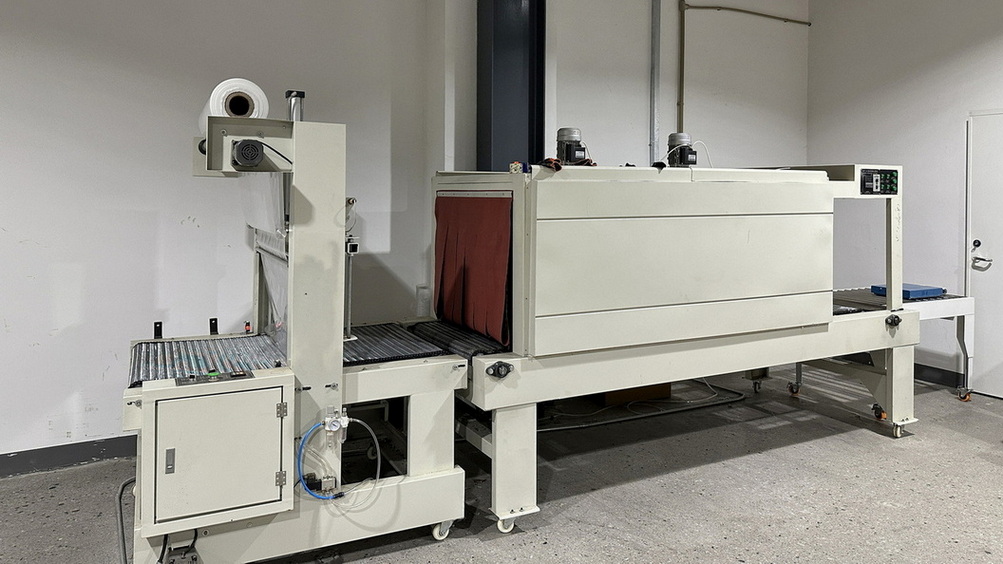
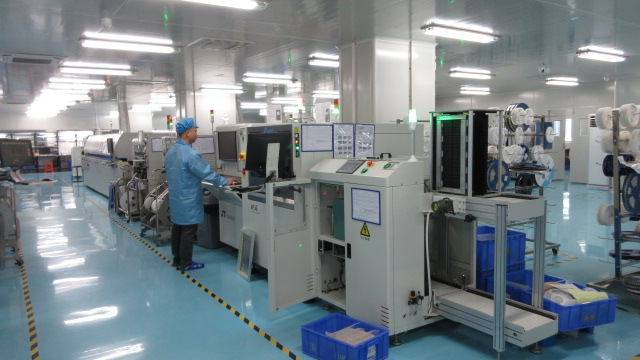
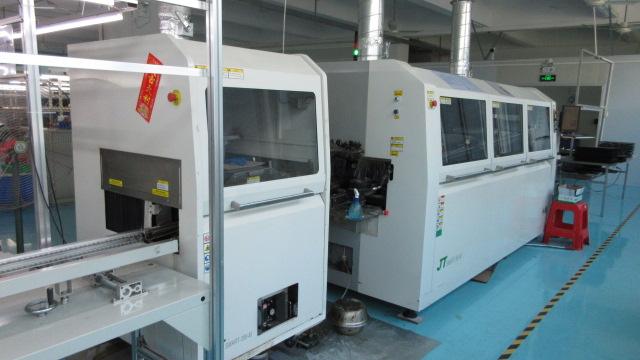
Nittanya Auto operates a manufacturing infrastructure designed to serve both Tier-1 OEM programs and the global performance aftermarket. The factory integrates automated casting facilities, high-precision CNC machining lines, dynamic balancing systems, and rigorous non-destructive testing (NDT) platforms. By controlling the entire manufacturing process—from raw material formulation to final surface coatings—the company ensures product consistency and traceability.
Quality control systems at Nittanya Auto are structured to meet international regulatory standards. The engineering teams monitor metallurgical composition, utilizing spectrometer analysis to guarantee chemical composition ranges for carbon, silicon, manganese, and micro-alloys. The factory offers custom design services (ODM) and original equipment manufacturing (OEM) partnerships, assisting global brands in developing tailored rotor venting structures, drilling profiles, slotting geometries, and proprietary anti-rust finishes.
Excellent braking starts with raw materials. Nittanya Auto’s foundry specializes in gray iron casting, primarily utilizing G3000 and HT250 standards. These materials are enhanced with micro-alloying elements like copper, molybdenum, and chromium to optimize performance under thermal stress.
Features elevated carbon content (3.4% - 3.7%) to improve damping properties, reducing brake squeal. It offers superior thermal conductivity to prevent hotspot creation and thermal distortion during heavy deceleration cycles.
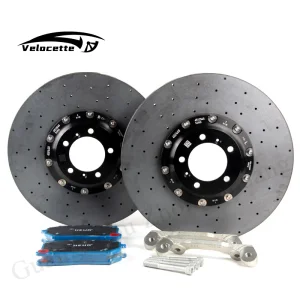
For high-performance applications, carbon-ceramic composites provide significant weight reduction, fade resistance, and a service life that often exceeds the vehicle's lifespan under normal operating conditions.
Controlled cooling rates yield a pearlitic matrix containing Type-A graphite flakes. This microstructure optimizes the balance between tensile strength (minimum 250 MPa) and wear resistance.
Through precise metallurgical control, Nittanya Auto minimizes Disc Thickness Variation (DTV) and runout, the two primary causes of high-speed brake judder. For track and motorsport applications, our high-carbon discs undergo stress-relieving thermal processing. This stabilizes the internal crystal lattice, neutralizing residual stresses from casting and machining, resulting in a robust friction ring suited for demanding applications.
The global automotive industry is undergoing changes that directly impact brake system requirements. The rise of Electric Vehicles (EVs) introduces new challenges. Although regenerative braking handles initial deceleration, the physical brake system must manage vehicles with high curb weights due to battery packs. This requires robust mechanical braking systems during emergency stops or high-load conditions.
Furthermore, regenerative braking means friction brakes remain disused for longer periods, increasing their vulnerability to atmospheric corrosion and rust lockup. Nittanya Auto addresses this issue with Geomet and zinc-flake coatings, which protect the non-swept areas of two-piece rotors without affecting friction properties. Additionally, reducing unsprung mass is crucial for EVs to extend range. Our lightweight two-piece designs help offset battery weight, improving energy efficiency.
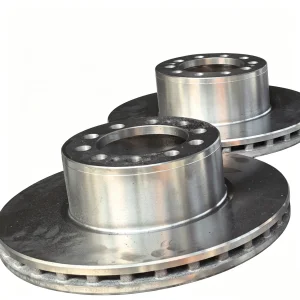
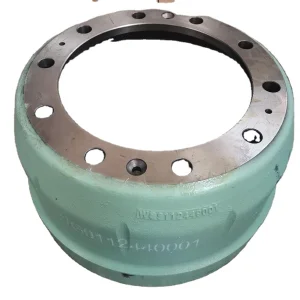
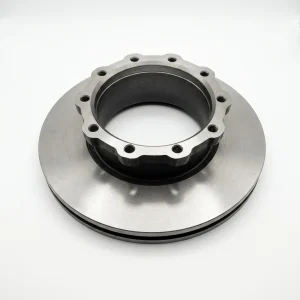
Industrial Application: In commercial transport and logistics, heavy duty vehicles face demanding thermal cycles. Traditional drum brakes are increasingly replaced by air disc brake systems. Nittanya's specialized heavy-duty ventilated rotors utilize optimized curved vane designs to maximize airflow, lowering peak operating temperatures by up to 100°C under load.
Entering international supply chains requires strict adherence to global safety and quality standards. Qingdao Nittanya Auto Co., Ltd. operates under the IATF 16949 quality management standard, a prerequisite for direct OEM supply. This framework demands complete process control, continuous improvement, and defect prevention across the supply chain.
For European distribution, our components comply with ECE R90 regulations. This certification ensures that replacement brake rotors match the performance of original equipment parts within strict tolerances. The validation process involves rigorous dyno and on-vehicle testing, checking shear strength, thermal fatigue, load capacity, and high-speed braking stability.
For North American distributors, our rotors meet the SAE J3001 and SAE J2928 standards. These protocols evaluate performance under severe thermal cracking conditions and simulate downhill mountain braking runs. By certifying our products to these standards, Nittanya Auto guarantees that every component performs reliably under demanding real-world conditions.
Braking systems operate in diverse environmental and operating conditions worldwide. Nittanya Auto develops vehicle-specific solutions tailored to these regional requirements:
Engineered for high-speed deceleration, these rotors feature optimized directional ventilation vanes that maximize airflow, preventing thermal fade during repeated high-speed stops.
Designed for full-size pickup trucks, commercial vans, and trailers, this line focuses on maximizing structural thickness and heat absorption capacity to handle heavy towing demands.
For municipal transit and delivery vehicles, we utilize a tailored metallurgical alloy with elevated molybdenum levels. This formulation enhances resistance to micro-cracking caused by frequent stops.
Additionally, Nittanya Auto offers customized solutions for extreme environments. For vehicles operating in highly corrosive areas (e.g., coastal zones or regions using road salt), our rotors undergo specialized nitrocarburizing treatment (FNC). This process hardens the iron surface, improving corrosion resistance and reducing brake dust generation.
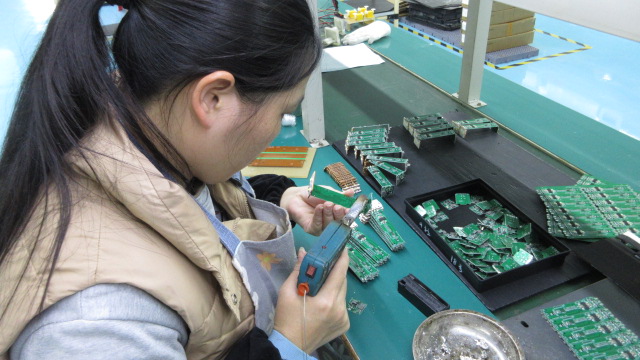
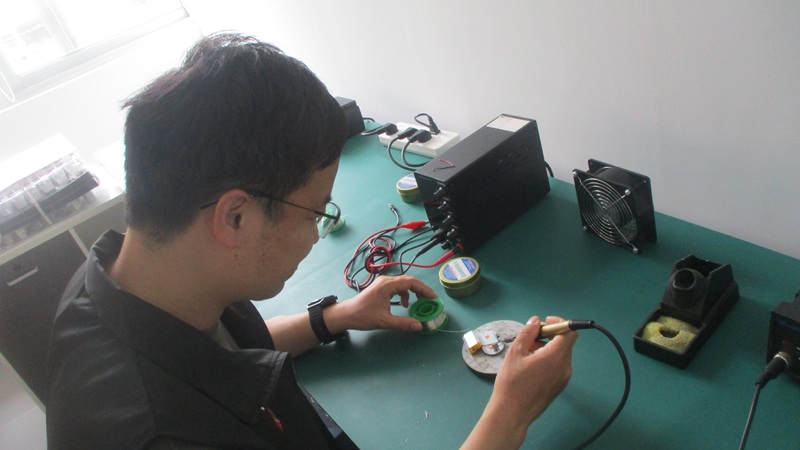
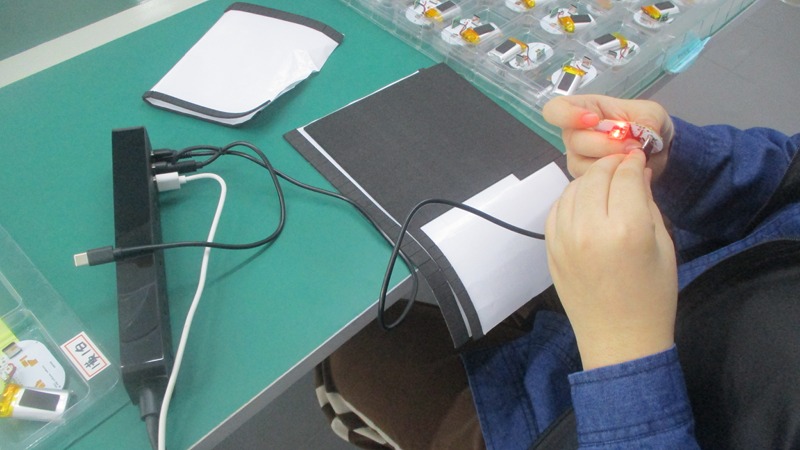
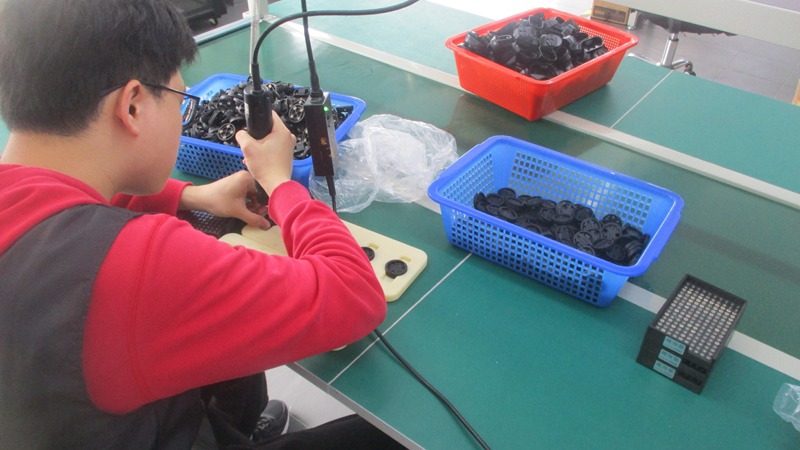
To ensure high quality, Nittanya Auto integrates precision casting with advanced machining processes. Each production phase is monitored to maintain close tolerances and consistent material properties. The company also manufactures electronic wear sensors and control systems, ensuring integration with modern vehicle architectures.
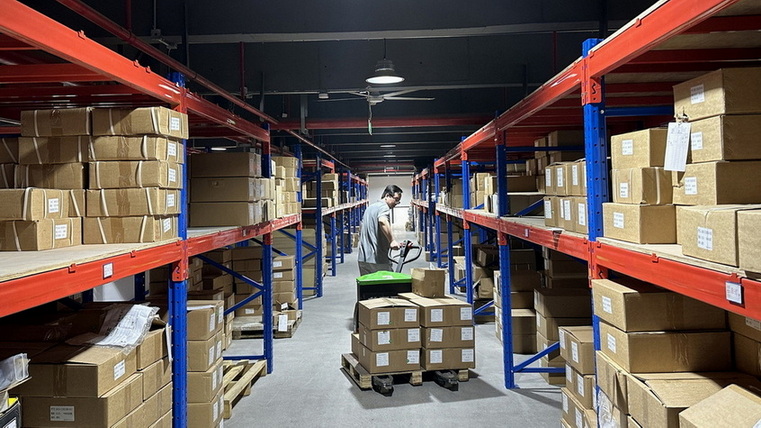
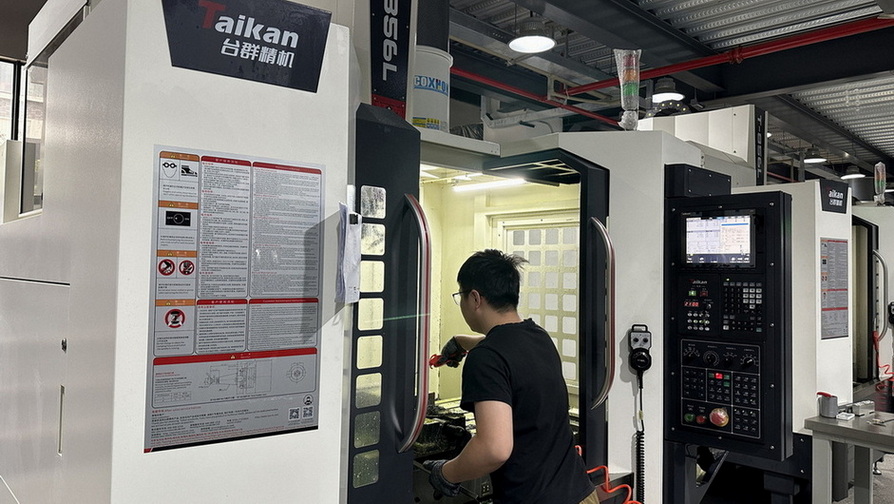

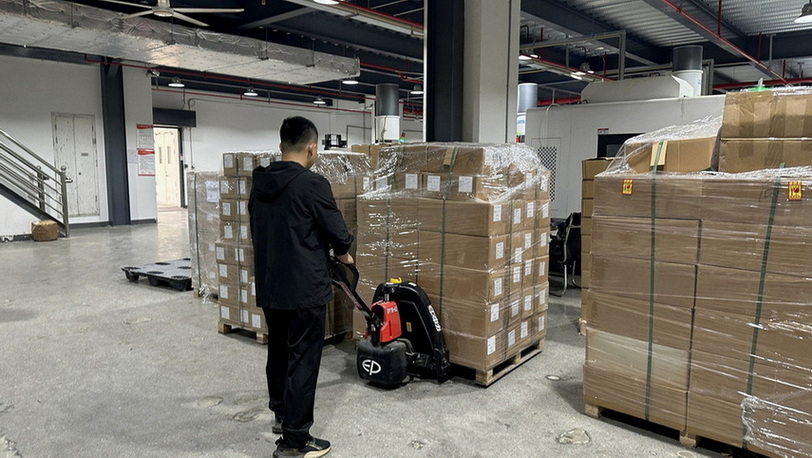




Nittanya Auto’s research and development department focuses on aligning our product roadmap with upcoming industry trends. We target three key areas:
Particulate Emission Mitigation: Environmental regulations (such as Euro 7 standards) introduce limits on non-exhaust emissions, including brake dust. Nittanya Auto is developing hard-coated rotor technologies using High-Velocity Oxygen Fuel (HVOF) thermal spraying to apply protective layers. This technique reduces particulate emissions by up to 90% and increases disc longevity.
Integrated Smart Sensors: As vehicle autonomy increases, brake diagnostics require integration into the central ECU. Our R&D team is embedding wear and temperature telemetry directly into our two-piece rotor bells, enabling real-time condition monitoring.
Alternative Alloys: We continue to research advanced lightweight alloys, including aluminum-matrix composite (AMC) materials. These composites offer potential weight savings of up to 50% compared to cast iron, targeting specialized EV applications.
Two-piece designs separate the hub and outer ring, allowing the friction surface to expand radially under high heat without stressing the hub. This minimizes warping and thermal judder. Additionally, the aluminum hat reduces unsprung mass, improving steering precision and suspension response.
Our main materials are G3000 and HT250 high-carbon gray cast iron. These alloys are supplemented with copper, chromium, and molybdenum to achieve the necessary tensile strength and thermal conductivity.
Every rotor undergoes dynamic balancing on specialized machinery to minimize vibration. We target radial runout tolerances below 0.03mm and Disc Thickness Variation (DTV) within 0.01mm.
Yes. Our manufacturing facilities are IATF 16949 certified. Products intended for Europe comply with ECE R90 requirements, while North American configurations meet SAE J2928 thermal performance standards.