Nittanya Auto
Nittanya Auto
Nittanya Auto
Engineered for maximum thermal capacity, superior pad bite, and long-term durability
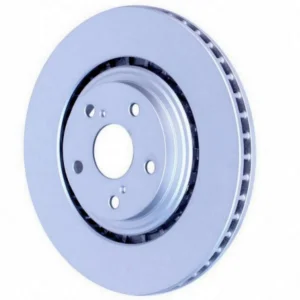
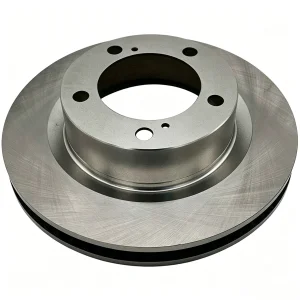

A comprehensive analysis of surface treatment technologies, tribological behaviors, and industrial sourcing benchmarks
The global automotive industry is witnessing a structural shift toward extended vehicle life cycles, increased performance demands, and stricter environmental controls. Within this landscape, the braking system remains one of the most critical assemblies. Brake discs are constantly subjected to severe mechanical, thermal, and chemical stress. Particularly in regions where road salt is used for winter maintenance, or in humid coastal environments, standard grey iron brake rotors are highly vulnerable to oxidation. This leads to premature degradation, aesthetic deterioration, and compromise of friction integrity.
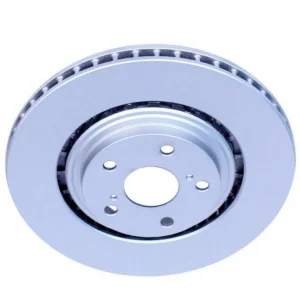
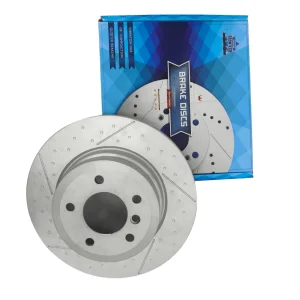
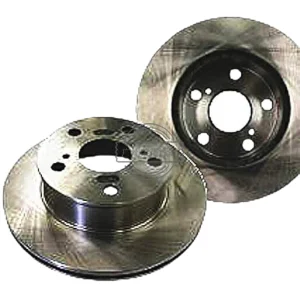
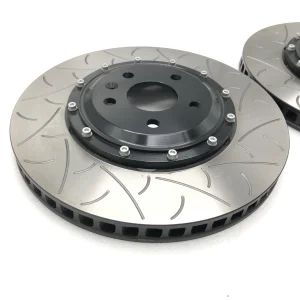
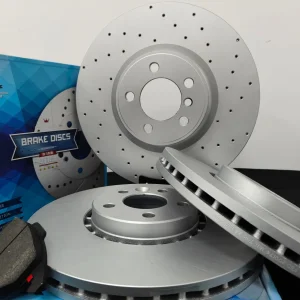
To combat this, surface coating technologies have advanced rapidly. Among these, Zinc Plated Brake Discs have emerged as a premier standard for balance between superior rust prevention, high cost-efficiency, and sustained performance. By applying a sacrificial layer of zinc or zinc-alloy, manufacturers can significantly delay the onset of red rust, guaranteeing both structural safety and aesthetic appeal behind modern open-spoke alloy wheels.
Choosing the correct coating chemistry requires a thorough understanding of the operating environment. While several coating options exist, zinc-based surface treatments remain standard for major OEMs and premium aftermarket brands. The key approaches include:
From a metallurgical perspective, zinc acts as a sacrificial anode. Because zinc is more reactive than iron, it oxidizes first when exposed to corrosive oxygen and water. The resulting zinc carbonate layer slows down further corrosion, protecting the grey cast iron underneath. Furthermore, the friction surface itself is quickly bedded-in during initial braking cycles, clearing the path for optimal pad-to-rotor contact while keeping the cooling vanes, hub, and outer edges fully protected.
| Coating / Treatment Type | Typical Thickness (µm) | Salt Spray Performance (ASTM B117) | Thermal Threshold (°C) | Environmental Compliance |
|---|---|---|---|---|
| Standard Zinc Plating (Clear/Blue Passivation) | 5 - 12 | 48 - 120 Hours (White Rust) | Up to 250°C | RoHS / REACH Compliant options available |
| Heavy-Duty Zinc Plating (Yellow/Black Passivation) | 8 - 15 | 96 - 240 Hours (Red Rust) | Up to 300°C | Contains hexavalent chromium (restricted) or Cr(III) alternatives |
| Geomet 360 / 500 (Zinc Flake) | 8 - 15 | 500 - 1000 Hours (Red Rust) | Up to 400°C (Non-peeling) | Hexavalent Chromium-Free, fully compliant |
| Black E-Coat (Electrophoretic Paint) | 15 - 25 | 240 - 480 Hours (Red Rust) | Up to 200°C | Highly Eco-friendly, solvent-free |
For procurement officers in major automotive distributors, fleet managers, and tier-1 parts suppliers, sourcing zinc plated brake discs involves navigating complex quality control metrics. Price is no longer the sole differentiator. Buying decisions are heavily weighted towards technical compliance and manufacturing consistency:
A trusted global manufacturer specializing in advanced automotive braking system components
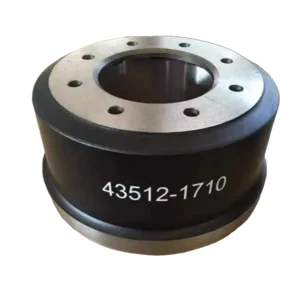
Qingdao Nittanya Auto Co., Ltd. is a professional manufacturer and exporter specializing in automotive braking system components, including brake discs, brake drums, brake hubs, and related auto parts. Located in Qingdao, China, one of the country's most important international port cities, the company enjoys convenient transportation and excellent logistics advantages for global shipments.
Since its establishment, Nittanya Auto has been committed to providing high-quality automotive parts to customers worldwide. With years of industry experience and continuous technological innovation, the company has developed into a reliable supplier serving customers across Europe, North America, South America, Africa, the Middle East, and Asia.
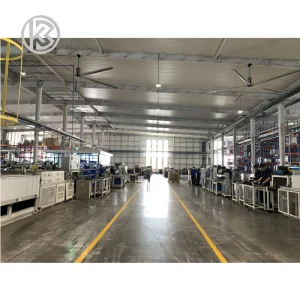
Our production facilities are equipped with advanced casting, machining, balancing, and testing equipment, ensuring stable production capacity and strict quality control throughout every manufacturing process. The annual production capacity exceeds one million pieces, enabling us to meet the diverse demands of both OEM and aftermarket customers.
Nittanya Auto possesses a strong technical team consisting of experienced engineers and skilled professionals dedicated to product development, quality improvement, and technical support. Our extensive product range covers more than 1,000 models suitable for European, American, Japanese, Korean, and other international vehicle applications.
Quality is at the core of our business. We implement rigorous inspection procedures and continuously improve our manufacturing processes to ensure that every product meets international quality standards and customer expectations. In addition, we offer flexible OEM and ODM services, helping customers develop customized solutions for their specific market requirements.
Guided by the principles of excellent quality, competitive pricing, timely delivery, and professional service, Qingdao Nittanya Auto Co., Ltd. strives to build long-term and mutually beneficial partnerships with customers around the world.
We sincerely welcome friends and business partners from both domestic and overseas markets to visit our company, discuss cooperation opportunities, and create a successful future together.
 Raw material
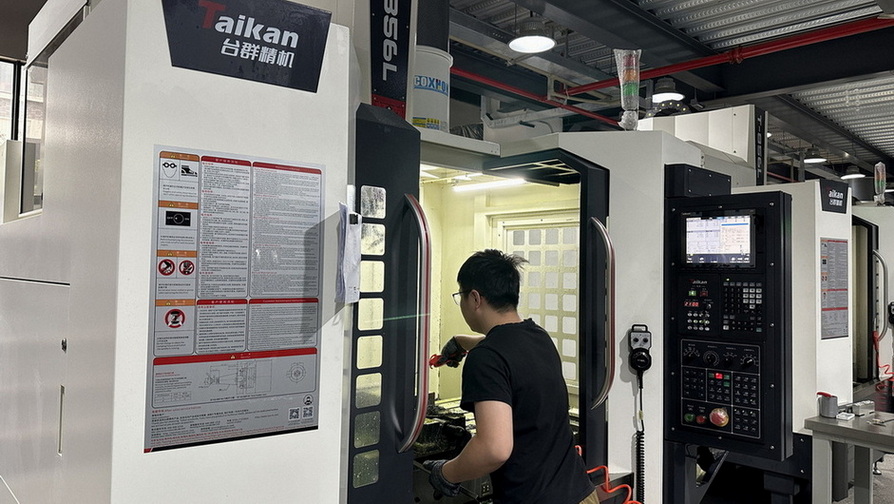 CNC machining
 Automatic packaging
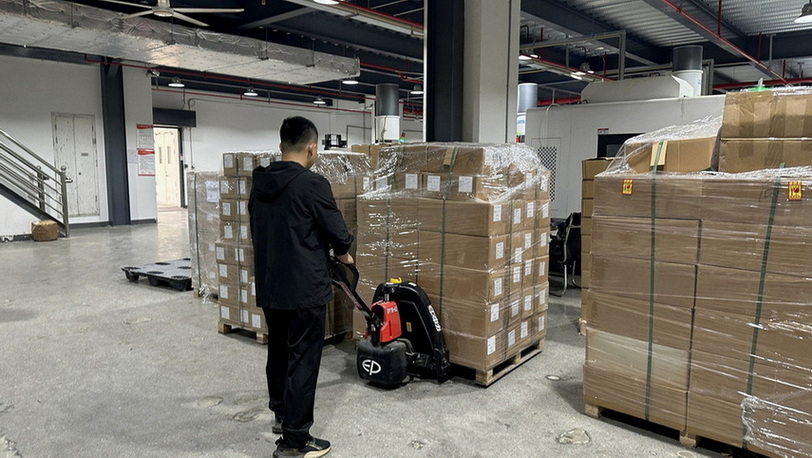 Finished Product
 CNC machining equipment
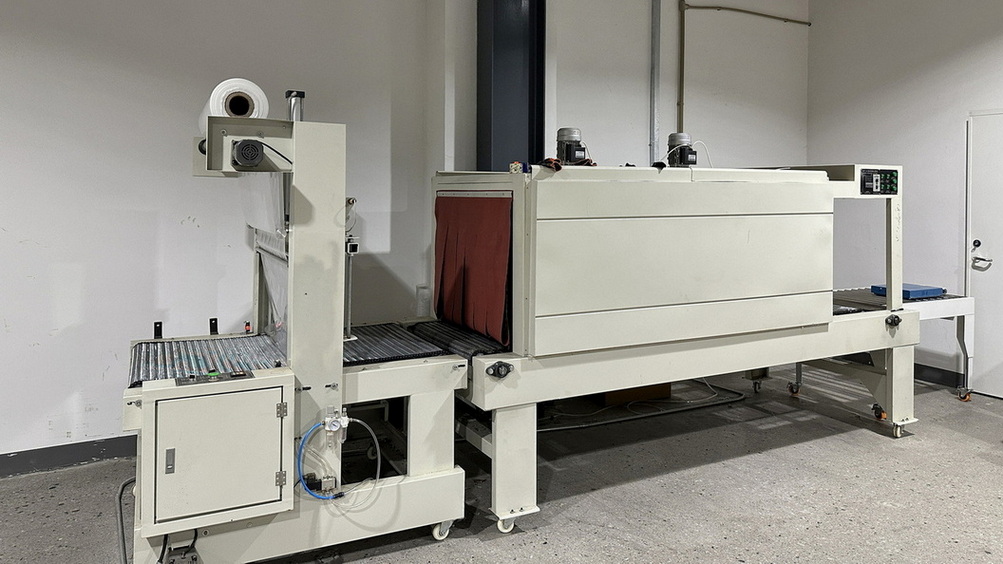 Automatic packaging equipment
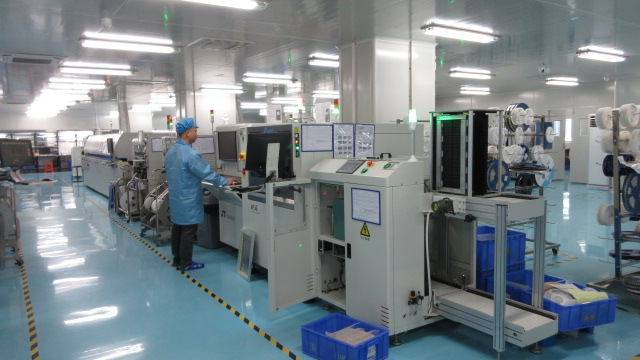 SMT
SMT
 AOI
AOI
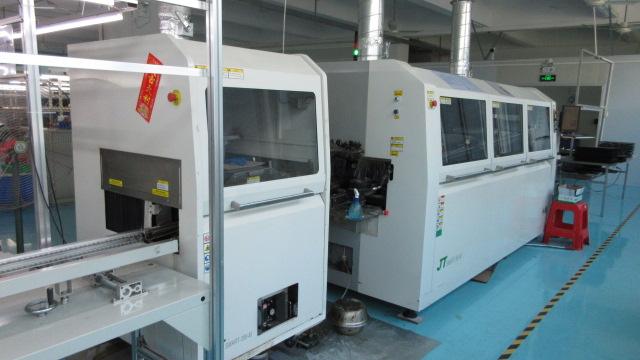 Insert Device
 Wave Soldering
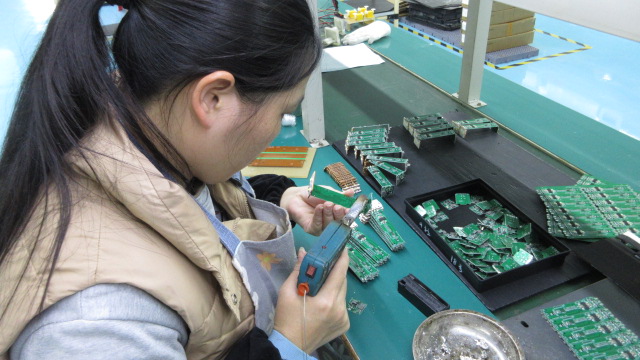 Manual Soldering
 Function Check
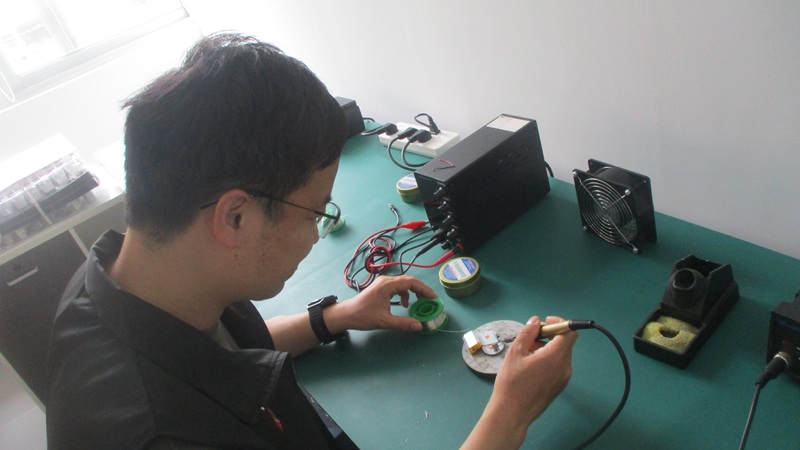 PCB Welding
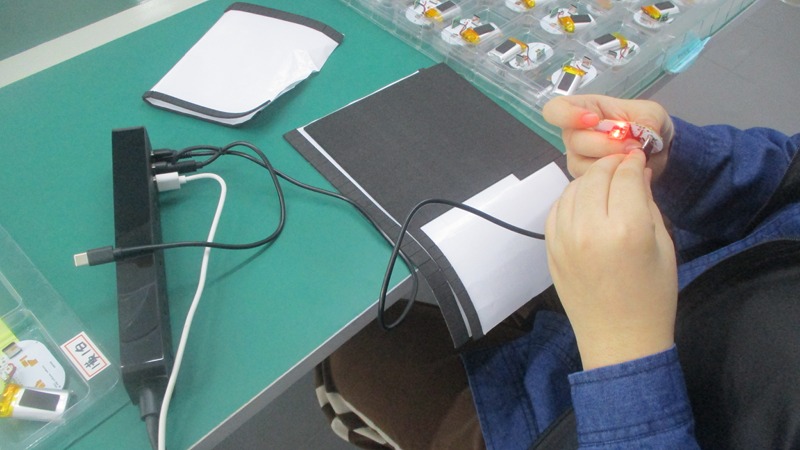 Function Check
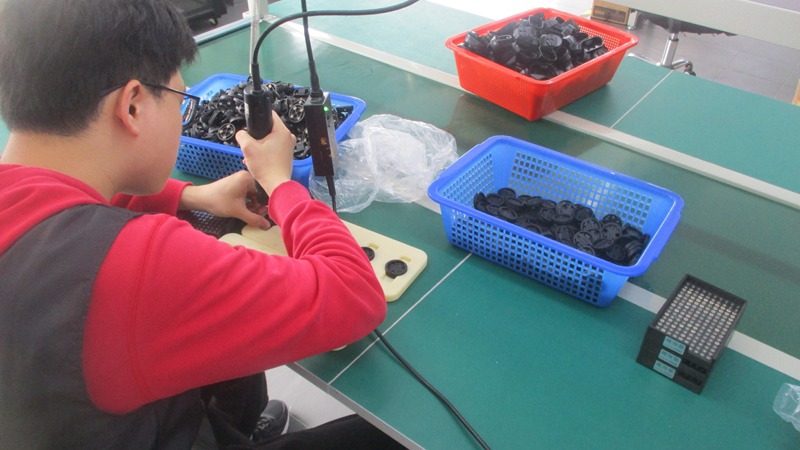 Mounting Screw
Addressing market challenges through materials science, localized support, and environmental compliance
As electric vehicles (EVs) rise in popularity, mechanical brakes are used less frequently due to regenerative braking systems. While this saves energy, it introduces a major problem: brake discs remain wet or cold for longer periods, accelerating oxidation. A rusted brake rotor can lead to noise complaints, uneven pad wear, and decreased braking efficiency during emergency stops. Premium zinc plating or Geomet coating prevents this surface rust from forming on rarely used brake rotors, making it a critical solution for modern EV manufacturers.
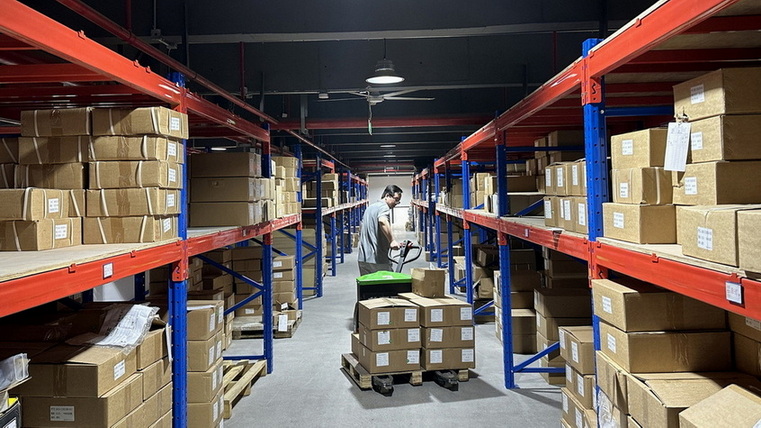
To mitigate international trade risks and reduce lead times, Qingdao Nittanya Auto Co., Ltd. utilizes its proximity to the Port of Qingdao to establish secure, direct-shipping networks. Offering complete supply chain visibility, we support high-capacity container movements, integrated customs clearing documentation, and custom packaging. This guarantees that imported parts arrive ready for retail distribution or assembly line integration without the risk of sea-air corrosion.
Looking ahead, Nittanya Auto is heavily investing in research and development to align with emerging global trends. The technological roadmap focuses on three main developments:
Expert insights on zinc plated brake disc technology, quality control, and procurement
Premium OEM and aftermarket replacements for passenger cars, trucks, and specialized applications