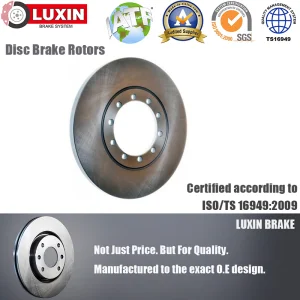
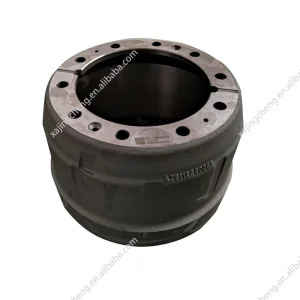
Nittanya Auto
Nittanya Auto
Nittanya Auto
Engineered specifically to withstand Northern Germany's demanding Autobahn velocities and severe marine weather conditions.


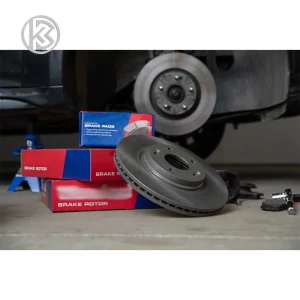
The automotive braking landscape in Hamburg, Germany, stands as a critical hub for European distribution, transit engineering, and high-performance safety verification. Driven by the presence of major logistics operations, regional commercial vehicle hubs, and proximity to advanced R&D centers, the metropolitan region of Hamburg places extraordinary demands on automotive friction components. The combination of sustained high-velocity decelerations on unrestricted federal highway networks (Autobahn) alongside the harsh environmental stress of marine salinity demands brake rotors that exceed basic OEM standards.
As a leading exporter specializing in high-carbon metallurgical formulations, Qingdao Nittanya Auto Co., Ltd. bridges the gap between Eastern manufacturing scale and German engineering standards. By leveraging sophisticated casting technologies, precise mechanical CNC machining, and comprehensive quality validation, we supply German and European distributors with brake components that handle intense thermal cycling without structural degradation.
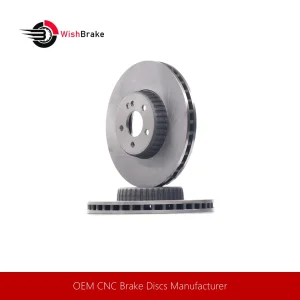
For fleet managers and engineering directors sourcing brake rotors in Hamburg, choosing the correct surface architecture is critical. Normal smooth-face rotors often fall short under heavy thermal loading. Here is how our engineered designs outperform standard configurations:
Features precision-bored chamfered holes. Dissipates high levels of localized heat and outgasses pad vapors to eliminate brake fade under extreme conditions. Excellent for initial cold-bite performance.
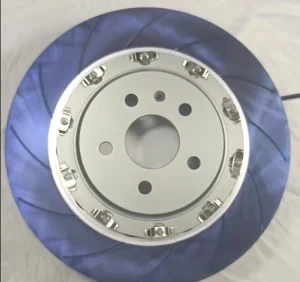
Utilizes directional grooves to constantly sweep away brake dust, moisture, and road debris. Maintains constant pad contact and prevents glazing. Crucial for heavy-duty commercial vans operating in rain and snow.
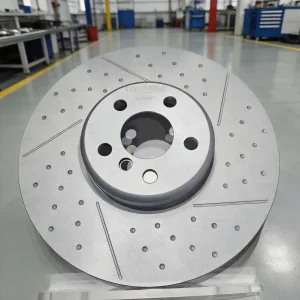
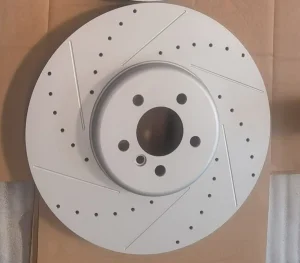
Combines the cooling benefits of cross-drilled holes with the continuous scrubbing action of slots. Engineered for high-carbon metallurgy to mitigate the crack propagation risks historically associated with drilling.
Under repeated deceleration from speeds of 150 km/h or higher, kinetic energy converts instantly to thermal energy, heating rotors up to 700°C. Standard grey cast iron without venting features is susceptible to thermal cracking and warp. Our factory integrates a high-carbon grey iron chemistry containing 3.5%-3.8% carbon alongside precise percentages of silicon, manganese, and copper. This ensures high thermal conductivity (exceeding 50 W/m·K) and low thermal expansion coefficients, yielding superior thermal fatigue resistance.
Hamburg operates as Germany’s primary maritime gateway to the world. For large-scale distributors, the shipping lanes connecting Qingdao Port and the Port of Hamburg (Hafen Hamburg) represent a highly efficient logistics corridor. Transit schedules between these major oceanic hubs are highly regular, allowing for reliable, containerized freight movement directly to North German storage terminals like Waltershof, Billbrook, and Altenwerder.
By producing our high-performance brake rotors in Qingdao and shipping directly to Hamburg, we bypass intermediate distribution markups. We support German buyers with complete documentation, customs clearance assistance, and local warehousing partner arrangements, facilitating JIT (Just-In-Time) inventory management for wholesale operations, automotive workshop chains, and regional fleet suppliers.
Selling safety-critical components in Germany demands compliance with strict regulatory frameworks. Foremost among these is the ECE R90 certification requirement. All aftermarket brake components used on passenger vehicles across the EU must undergo rigorous dynamometer and track testing to verify that their performance matches or exceeds the original equipment specifications within tight tolerances.
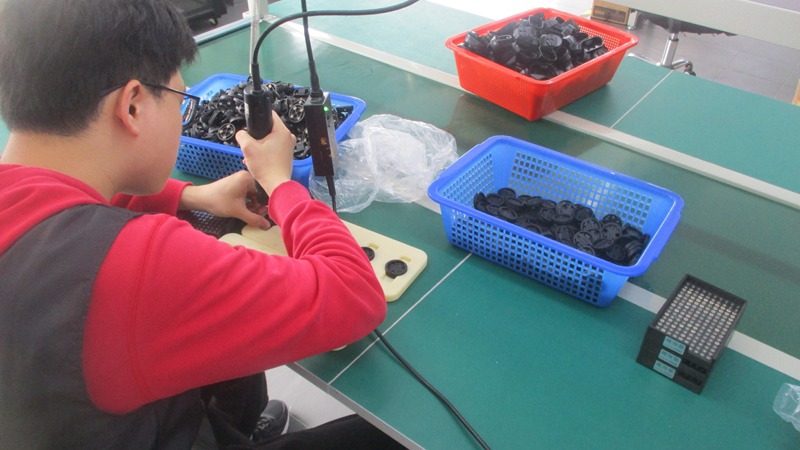
Our manufacturing facility adheres strictly to ISO/TS 16949 / IATF 16949 quality management systems. From raw material sorting and induction melting to CNC machining, double-disc grinding, dynamic balancing, and final coating, every phase is recorded. This systematic traceability ensures that our high-carbon drilled and slotted brake discs easily satisfy the requirements of German vehicle testing authorities (like TÜV Rheinland/TÜV SÜD) and the Federal Motor Transport Authority (Kraftfahrt-Bundesamt - KBA).
The European Union's upcoming Euro 7 standard represents a historic paradigm shift, introducing strict regulatory limits on non-exhaust emissions—specifically brake wear particles. Traditional cast-iron brake discs generate a high percentage of fine metal dust under constant abrasive wear, which will no longer be acceptable for vehicles registered within European metropolitan centers like Hamburg, Berlin, or Munich.
To meet these strict criteria, our R&D team has engineered advanced surface-modification coatings. By applying High-Velocity Oxygen Fuel (HVOF) thermal spray technologies or Laser Cladding to deposit ultra-hard tungsten carbide or chromium carbide coatings, we reduce wear by up to 90% and brake dust generation by over 50%. These state-of-the-art coatings, combined with specifically formulated ceramic friction materials, position our products at the forefront of the upcoming Euro 7 compliance transition, protecting distributors against inventory obsolescence.
Providing elite performance brake solutions from our advanced production facilities to global distribution ports.
Qingdao Nittanya Auto Co., Ltd. is a professional manufacturer and exporter specializing in automotive braking system components, including brake discs, brake drums, brake hubs, and related auto parts. Located in Qingdao, China, one of the country's most important international port cities, the company enjoys convenient transportation and excellent logistics advantages for global shipments.
Since its establishment, Nittanya Auto has been committed to providing high-quality automotive parts to customers worldwide. With years of industry experience and continuous technological innovation, the company has developed into a reliable supplier serving customers across Europe, North America, South America, Africa, the Middle East, and Asia.
Our production facilities are equipped with advanced casting, machining, balancing, and testing equipment, ensuring stable production capacity and strict quality control throughout every manufacturing process. The annual production capacity exceeds one million pieces, enabling us to meet the diverse demands of both OEM and aftermarket customers.
Nittanya Auto possesses a strong technical team consisting of experienced engineers and skilled professionals dedicated to product development, quality improvement, and technical support. Our extensive product range covers more than 1,000 models suitable for European, American, Japanese, Korean, and other international vehicle applications.
Quality is at the core of our business. We implement rigorous inspection procedures and continuously improve our manufacturing processes to ensure that every product meets international quality standards and customer expectations. In addition, we offer flexible OEM and ODM services, helping customers develop customized solutions for their specific market requirements.
Guided by the principles of excellent quality, competitive pricing, timely delivery, and professional service, Qingdao Nittanya Auto Co., Ltd. strives to build long-term and mutually beneficial partnerships with customers around the world. We sincerely welcome friends and business partners from both domestic and overseas markets to visit our company, discuss cooperation opportunities, and create a successful future together.
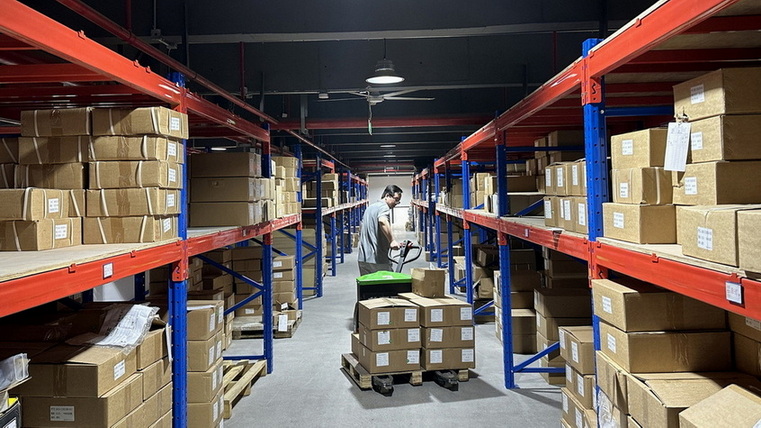 Raw material
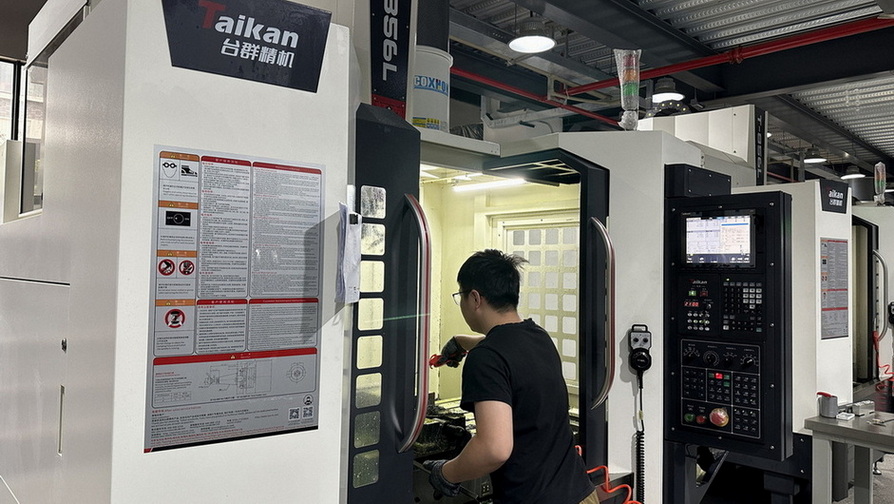 CNC machining
 Automatic packaging
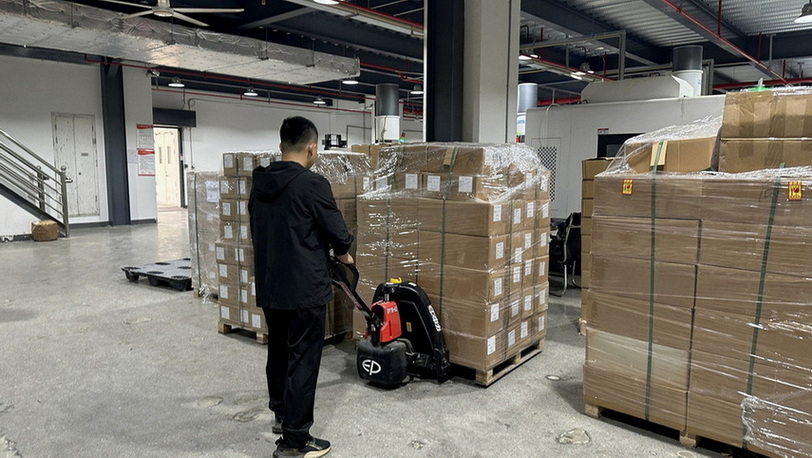 Finished Product
 CNC machining equipment
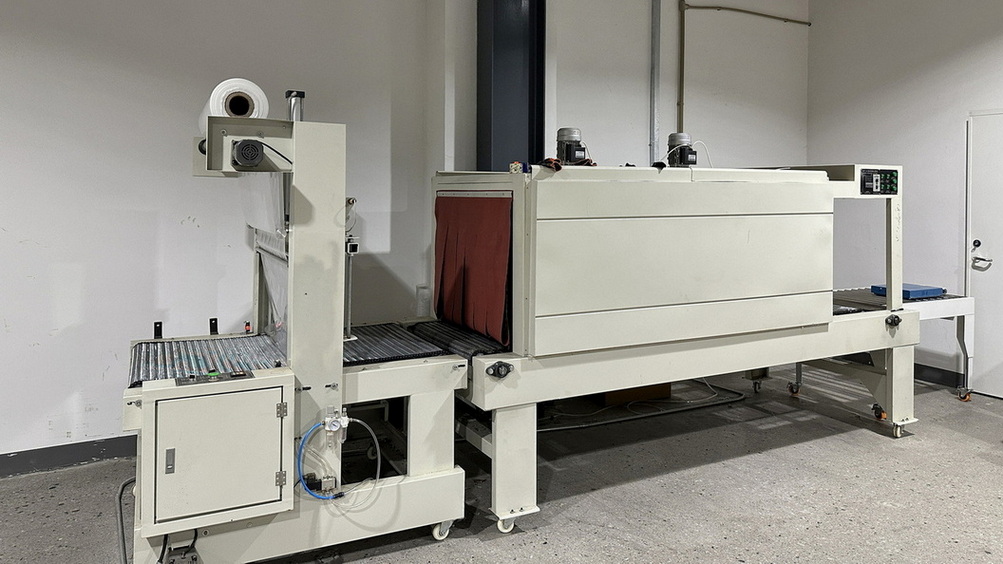 Automatic packaging equipment
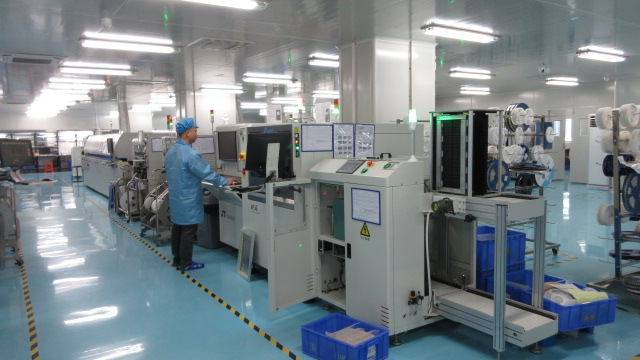 SMT
SMT
 AOI
AOI
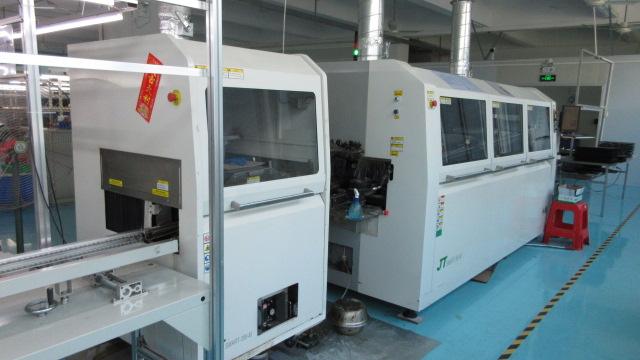 Insert Device
 Wave Soldering
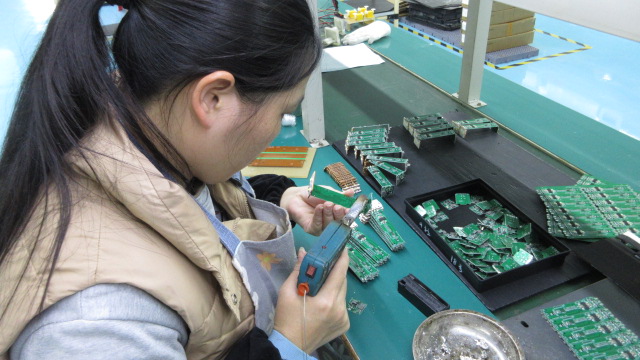 Manual Soldering
 Function Check
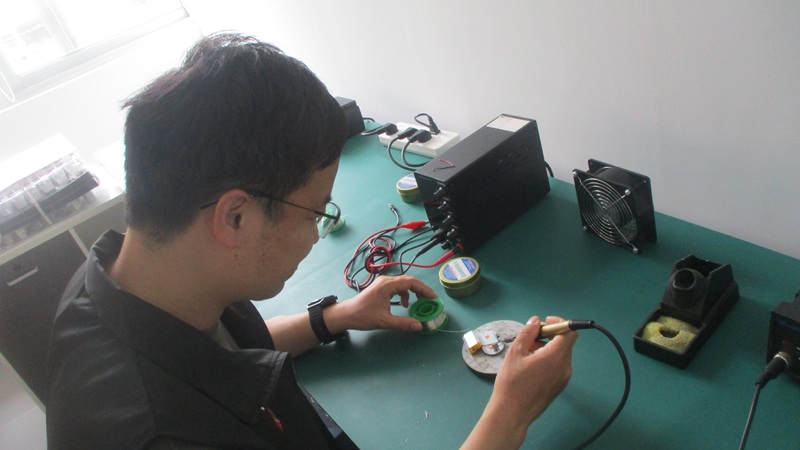 PCB Welding
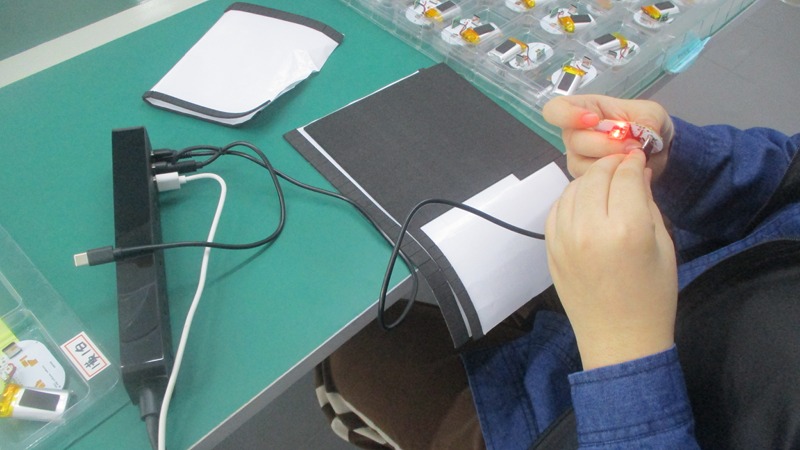 Function Check
 Mounting Screw
Technical clarifications for German and international engineering buyers.
Ocean transit from Qingdao Port (China) to the Port of Hamburg (Germany) usually spans 30 to 35 days, depending on shipping line routing. When accounting for factory manufacturing lead times (typically 25 to 45 days depending on run size and tooling configurations), buyers should plan for a total sourcing timeline of approximately 60 to 75 days for customized OEM orders.
High-carbon (HC) brake rotors contain elevated carbon ratios (3.5% to 3.8%), which optimizes the graphite microstructure within the grey iron matrix. This graphite flake configuration absorbs vibrational energy, significantly reducing brake noise, squeak, and vibration (NVH). Furthermore, high-carbon rotors exhibit superior thermal conductivity, ensuring that high heat generated during Autobahn braking is rapidly transferred away from the friction face, avoiding hot spots and structural distortion.
Every batch of our brake rotors destined for Europe undergoes dimensional matching, metallurgical composition verification, and destructive load testing to guarantee performance indicators match original parts. We collaborate with international certification bodies to acquire necessary test reports, verifying safety and legality for highway use in European countries.
Drilled and slotted rotors are particularly effective in wet, humid regions like Northern Germany. The physical slots sweep away the thin film of water that builds up between the brake pad and the rotor surface, ensuring instantaneous mechanical bite. To combat road salt and coastal atmospheric humidity, we treat our rotors with special high-durability coatings, protecting non-friction surfaces from premature rust.
Retaining full manufacturer component specifications. Choose from our complete product line.
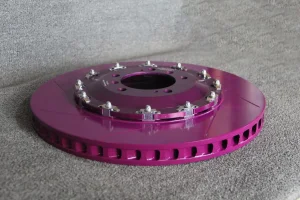
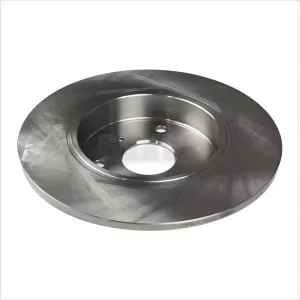
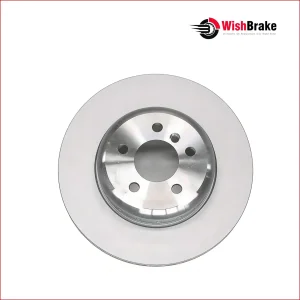
Whether you manage a premium automotive parts distributorship in Hamburg or oversee a large-scale commercial fleet supply chain across Northern Germany, our technical team is ready to deliver tailored metallurgical solutions that exceed standards.